
Initiative update for Module 2
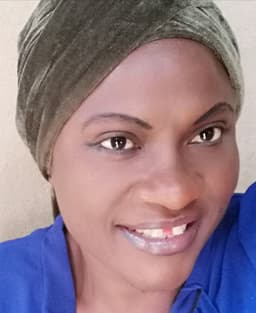

I live in a society where there are still many myths and taboos surrounding disabilities. These categories of persons are mostly perceived as not being good enough. It is very common to find them locked up behind doors while family members without disabilities are being educated. Even in the case of skill development for livelihood they are still discriminated upon. Sometimes they are not given the opportunity to actively participate in deciding what skill they want to acquire. The impact is devastating. Low self-esteem and lack of confidence especially as they cannot adequately contribute at home or in community.
My sister Agnes who was hearing impaired was different. Although she could not be employed despite her education, my parents ensured she was trained on livelihood skills of her choose, and at the same time had a shop of her own. This was a great step to empower her. The result was that her confidence was solidly built and her self- esteem built. Although she passed on 15 years ago, I am determined her legacy must live on.
Although funding has been a challenge, that has not stopped me from pursuing my goal of training girls with hearing impairment and getting them empowered. I have been searching and seeking partnership and collaboration opportunities from other organizations especially community-based organization whose main mission are similar to mine with whom I can collaborate in getting the training needs of these girls met.
My partnership outreach strategy that I have been using, is looking up in our gender-based cluster for the North West Region to identify organizations that have similar objectives as mine, get in touch with them by phone and in some cases actually going to their office. In most cases I have been introduced to the livelihood officer as the focal point with whom I am work.
All thanks to this strategy of partnership mapping learn on the changemaker lab program, 20 deaf girls are presently undergoing vocational training by the Cameroon Baptist Convention Youth Service development in Nkwen, Bamenda. They will be acquiring skills of their choice. Most of them have indicated interest on production of hair oil, body lotion, perfume and some fast-food items. There are also sign language interpreters at the training to facilitate transmission of information. All trainees are expected to replicate the training to other deaf girls in the community so as to ensure sustainability.
In addition, I have been receiving positive feedback from the trainers on how committed these girls are especially as they were involved in decision making as to what skills they will like to be trained on.
All the products they are being trained on are marketable and so the end result will be improved livelihood for girls with hearing impairment.
I intend to continue looking for funding, partnerships and collaborations that can enable me realize my goal.
I recommend, parents should give equal opportunities to their children with and without disability when it comes to education or skill development and they should also with their guidance allow to choose the skill they want to acquire.
The government should be intentional in creating more accessible vocational centers for skill development, and ensure their communication needs for deaf girls are met through the use of sign language interpreters. And also, more funding should be made available for this.
- Economic Power
- Girl Power
- Technology
- Disability Justice
- Gender-based Violence
- Revolutionary Solidarity
- Global