
Women: the kidneys of the community
Mar 9, 2023
story
Seeking
Visibility


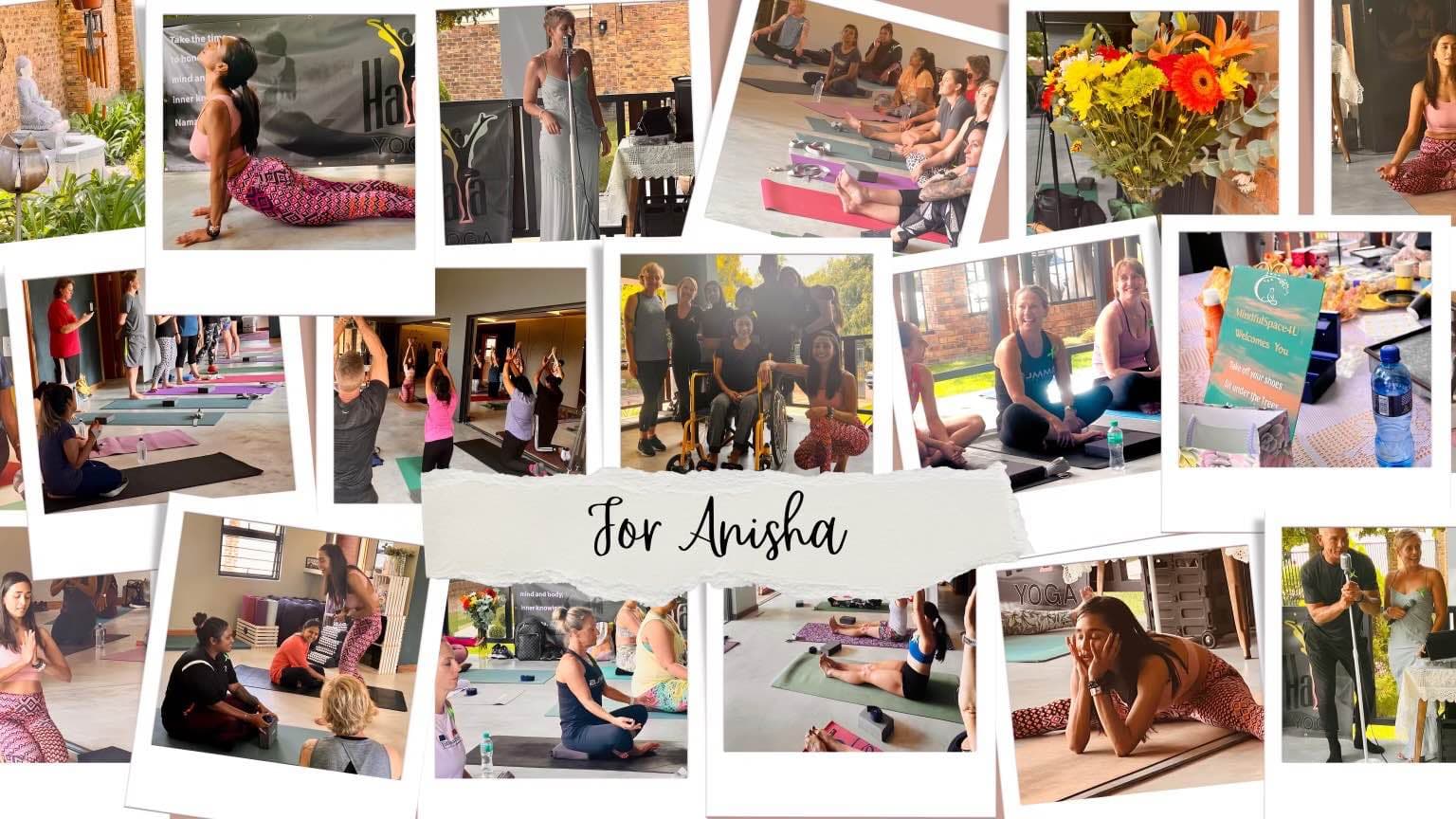
Photo Credit: Laa'iqah SeedSower
Yoga for a Cause
Just a day after International Woman’s Day, World Kidney Day is celebrated the world over on 9 March. Measuring about the size of a clenched fist, these bean shaped organs are said to filter about 180 litres (over 50 gallons) of blood a day, control the production of red blood cells and release hormones that regulate our blood pressure. Kidneys produce urine to expel waste from the body. Their nurturing and supportive function to our survival cannot be understated, despite their size or the attention often give them - much like the all-important role of the woman! Little wonder then that these two pivotal days follow one another this week.
South Africa has, reportedly, one of the highest rates of end-stage kidney failure in the world. Coupled with a low rate of organ and tissue donation and transplants, public ignorance and in the medical field makes life even harder for sufferers. 20 000 new patients are said to be diagnosed annually in the country, and since one can lose up to 90% of kidney functioning before showing any symptoms, the shocking realities often compound for patients and their loved ones.
Anisha, 43-year-old single mother to a 10-year-old son, received the startling diagnosis in May 2022. Six months later, and up to now, once a week she must spend hours in the queues of a public hospital for her kidneys to be drained from holes made in her abdomen. The waiting lists for dialysis and to be considered for a kidney transplant are so long that she has no other choice but to face daily pain and injury for her very survival. Every Monday, Anisha depends on a ride-hailing app to get her safely to the hospital in the early morning, and back home in time for her son to return from school.
Now unable to work and provide for herself and her son, Anisha is dependent on charity, which is likely to be necessary even after she receives an official status from government as a disabled individual. After her closest friend started appealing for donations, Anisha finally received a wheelchair, which makes the long wait at the hospital, and any kind of mobility at home a little more possible. She’s gained over 40 kilograms (over 80 pounds) since the onset of her affliction. The state of her decline in the last few months is horrific.
I met Anisha a few days ago at a yoga fundraising event hosted by a small group of incredibly good people. Entitled Yoga for a Cause, the event was held at a serenely beautiful yoga and meditation centre. Of all those who attended, only four were males, one of whom was an event organizer and two were boys, including Anisha’s son. It always fascinates me how yoga is still considered a female thing, and how women rarely need convincing to help those in need.
One of the event organisers shared with me, "Our practise affirms that the inner being is a sanctuary which we endeavour to cleanse with the light of compassion and awareness. Yoga, just like acts of charity towards others, offers us a way to achieve inner union and impact outer solidarity". Another organiser shared that his yoga practice leaves him "more attuned to my emotions, thinking and purpose. I am here to service. To be in service to others is the core of who I am". I was inspired by the active citizenry and resilience of all who attended.
Did you know that while we only need one kidney to survive, one failed kidney can be life-threatening? Do we all not feel emotionally threatened when one of our sisters anywhere in the world is being failed by antiquated patriarchal systems designed to stifle her voice?
I am beginning to see women as the kidneys of the community - often overlooked, but fundamental to our overall wellbeing. As life-giving organs in our global community sisters, let us never tire or falter in our work.
- Disability Justice
- Economic Power
- Health
- Stronger Together
- Our Impact
- Global