
We Do What We Can, The Best We Can
Feb 26, 2023
story
Seeking
Visibility

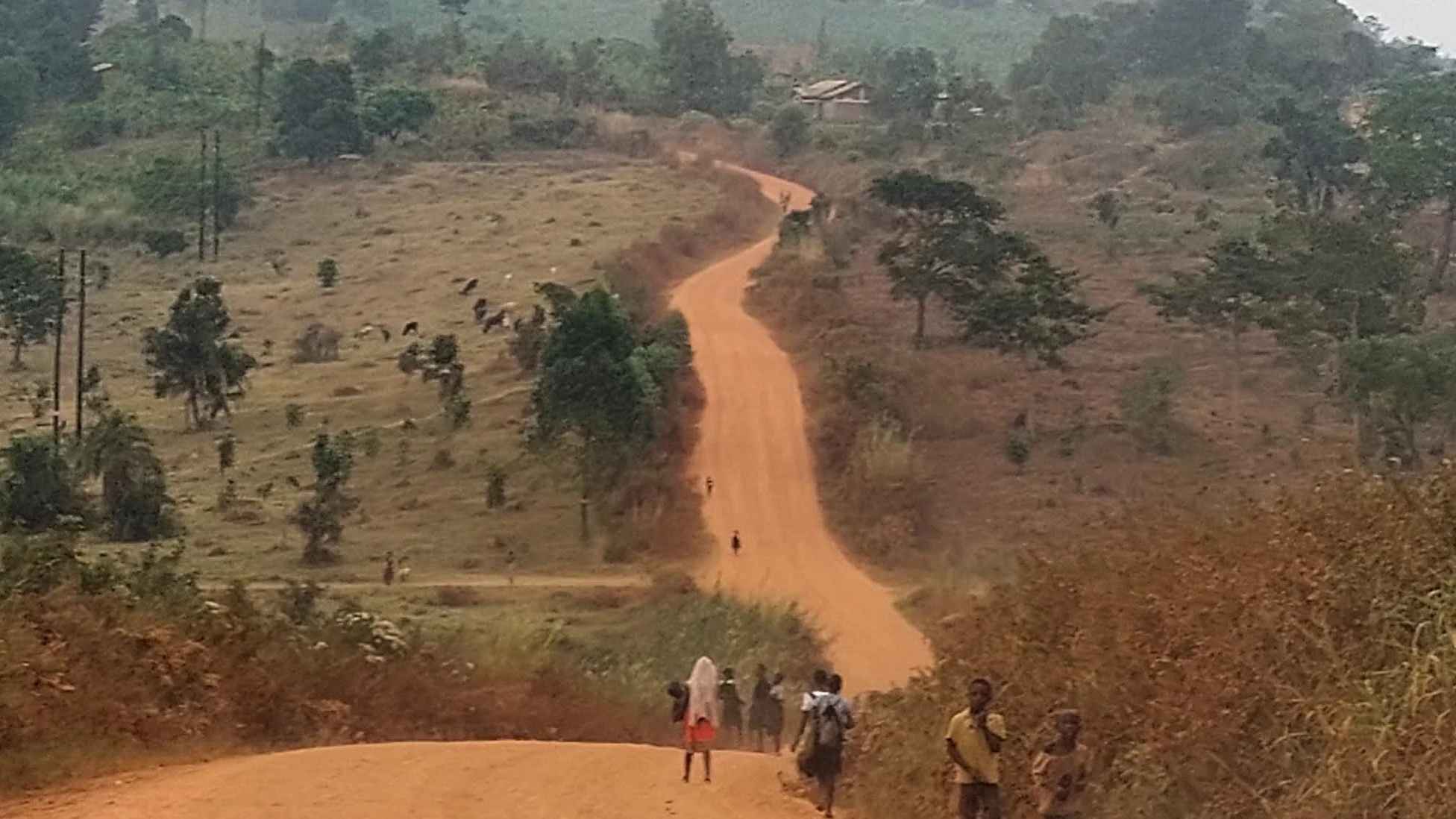
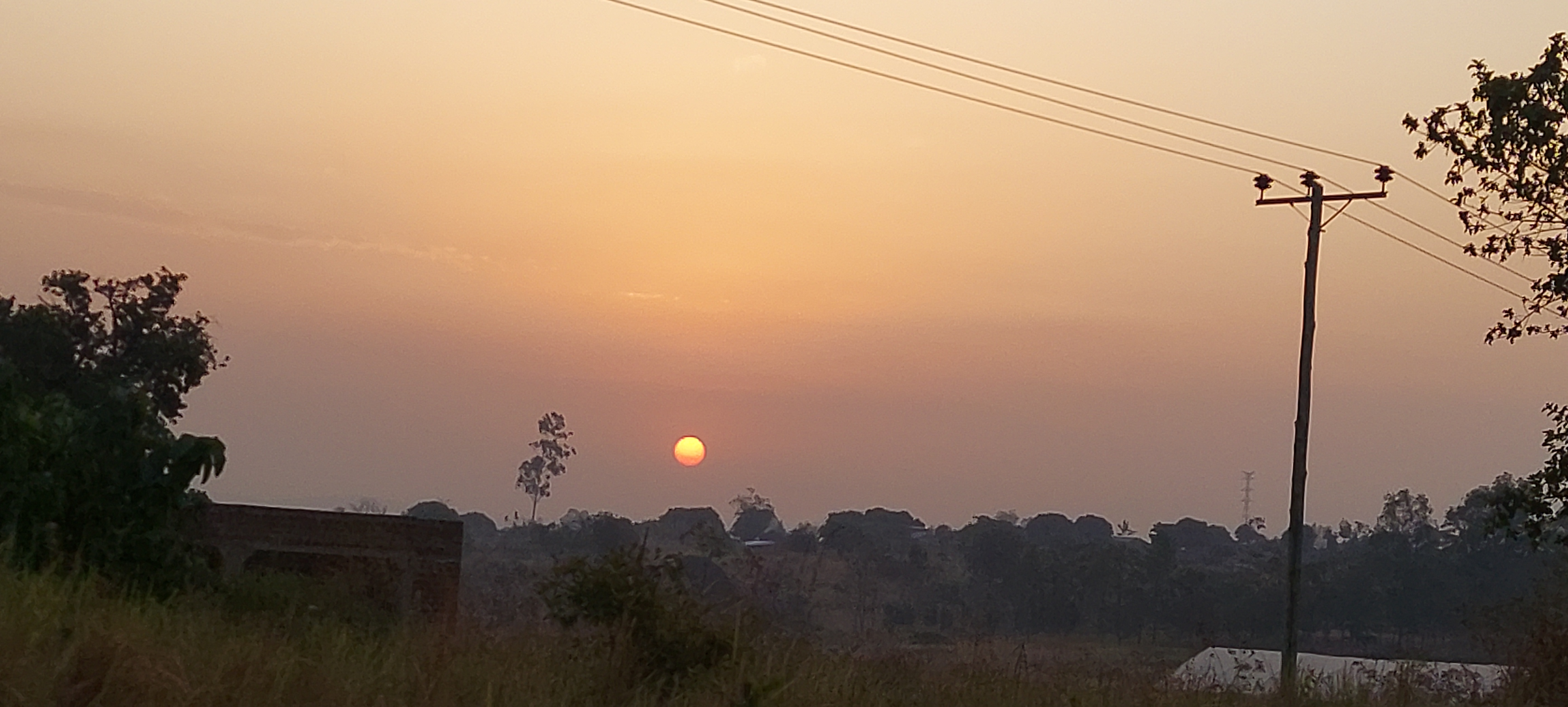
Photo Credit: (C) DBandalan/2023
The road we take to bring us to the people we help
I was in the upcountry in Western Uganda, in Kyegegwa, in the Kyaka II Settlement, supporting our physiotherapists in the field for a week last week.
I do this kind of field visit to see what our team are doing and give support when they are stuck somewhere due to the many challenges we meet working in the humanitarian sectors.

Rehabilitation is an essential service with health, nutrition, protection, education, social, housing, and shelter. To achieve full independence and participation in the community, people need to receive most, if not all, essential services for all refugees and nationals.
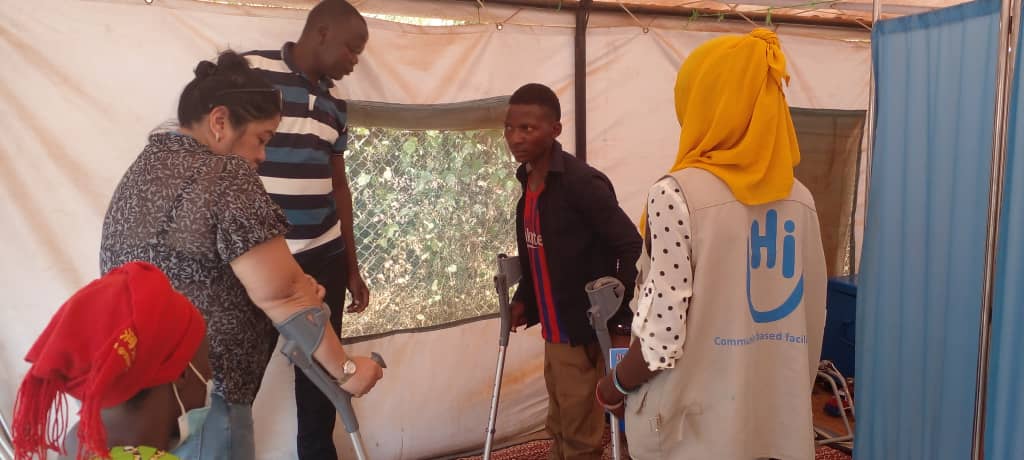
Unfortunately, that is not always the case in the settlement. Sometimes you get lucky there's enough support, but more often than not, you get the basic if you're lucky.
We struggle to get everyone the services they need. The common reason given to us is that people with disabilities are not their priority or there are not enough funds to support what we recommend they need.
During my visit, I saw an old man who had an accident and broke his hip joint two months ago. He received palliative treatment but not surgery because there was no money from the health facilities. He was referred to the centre and received physiotherapy treatment despite to bone not healing properly. When I joined last week five months after his accident, he was complaining of pain and stressed that he felt useless. We observed his lower limb weakness and limited movement to perform self-care, such as toileting and helping in their family garden to help augment the lack of food support for the refugees. If he received the correct treatment immediately, he could be more functional now than he is, and won't feel like a burden to his family.
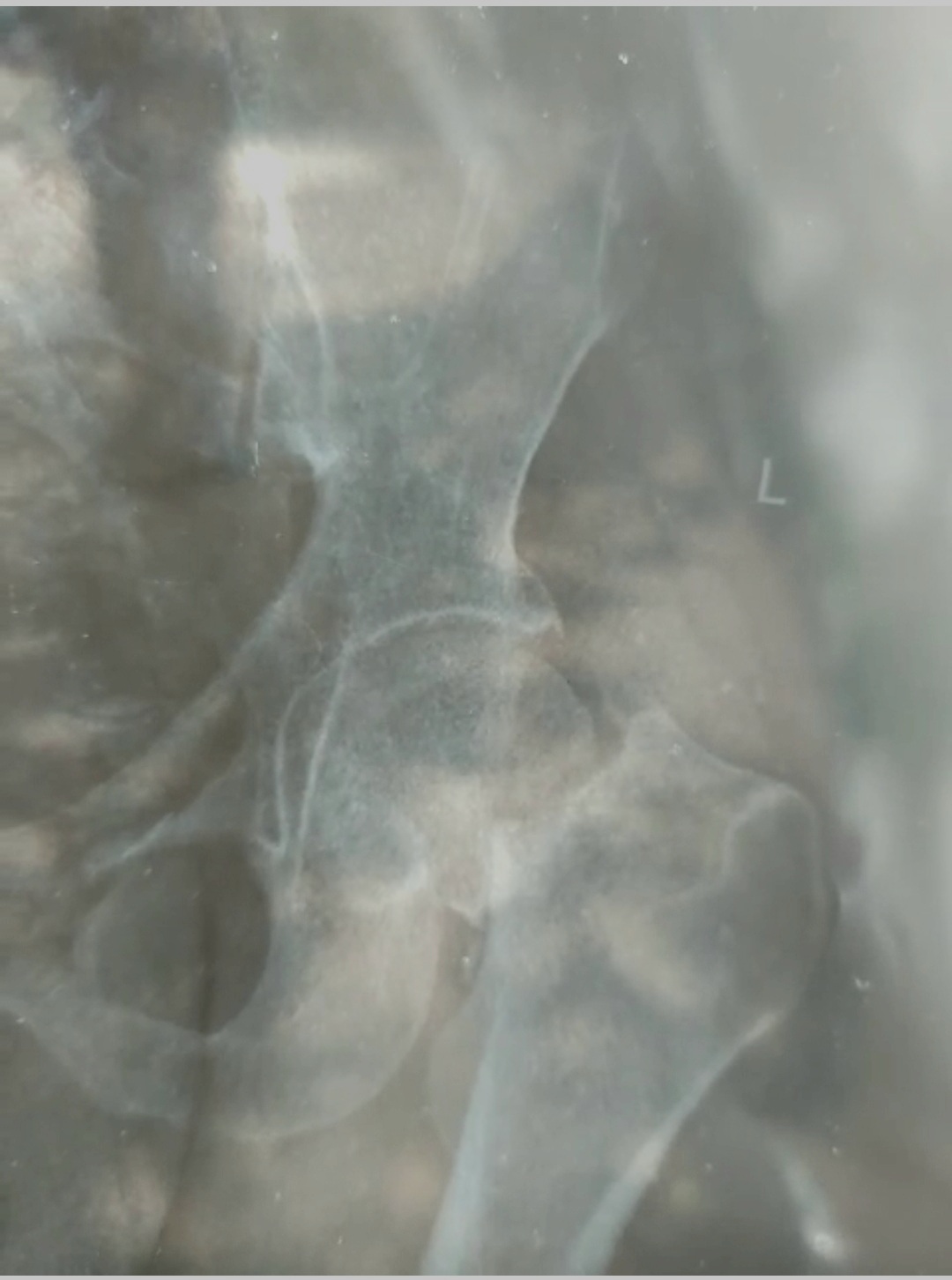
He is one of the many cases we see in the field, and we can only do so much. That is why I insist we do well and are of good quality because we cannot afford to have more cases than we can cover. One therapist per settlement is not equitable; paired with one psychologist is not a relief because we believe that to reach the person's full potential, his body and mind must be in sync.
It's a chronic situation we don't know how to change at our level. We can only do so much and celebrate our little success with our team and beneficiaries. My job is to ensure my team does not feel overwhelmed and burdened by the situation they see. At the same time, make sure that we don't compromise the quality of our work. Everybody deserves good service. Our rehabilitation, mental health, and psychosocial team members know that and give their best. I cheer them on!
The basic and specific need of the refugees in Uganda - those from the neighbouring country, is enormous, and together with Ugandans' needs, it's massive. We compete with other needs around the world, and I don't know who decides who gets the big chunk of help. But I like to say that globally, we advocate for people at risk and injured, and those with disabilities receive the same attention as everyone else. They deserve it.
While waiting for the world to be equitable, we continue to push forward to helping those that need help in the refugee settlements my organization is present. We continue to do our best with limited funding and human resources and do it happily.
- Human Rights
- Global