
US/INDIA: Let's Change Menstruation Culture
Apr 30, 2019
story
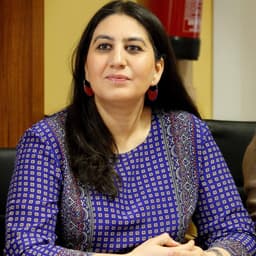

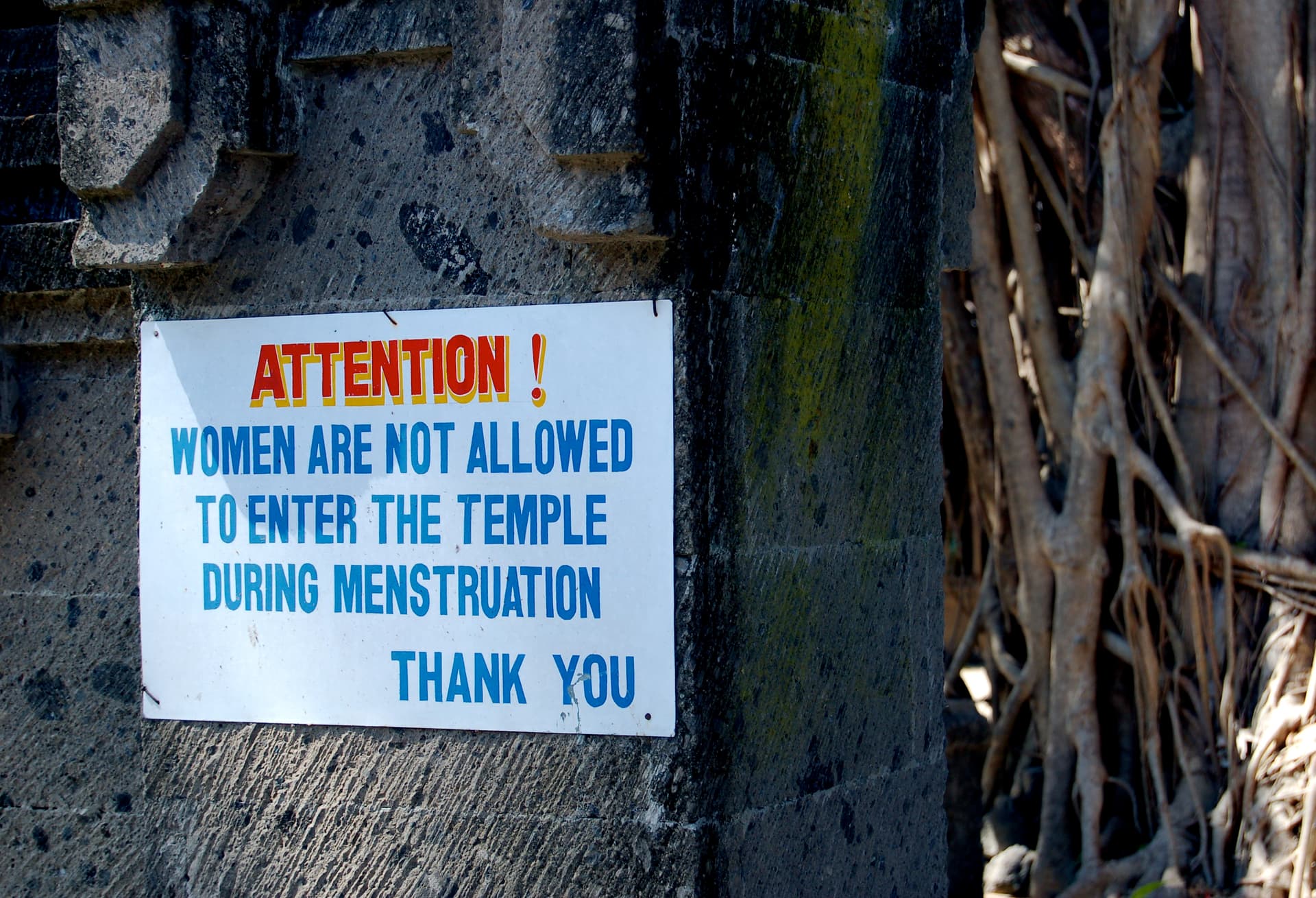
Photo by Dominique Bergeron on Flickr (CC BY-NC-ND 2.0)
What will it take to transform the way we view periods?
Periods need to be normalized, and the only way to do this is to talk about them.
I was 9 years old when I started my menstrual cycle. My mom had a talk with me one day. She told me I would see some blood in my panties, and that it’s normal, and I need not worry. She told it would happen every month. I would need to use a pad. That was the only time we talked about menstruation.
Soon after, I began menstruating. Blood would appear promptly every month. I remember the first time it happened my mom made me skip school. She wanted to monitor me to see how I felt. I was only in grade 3—too young to understand why this was happening to me. All my friends didn’t experience menstruation until almost a year later.
Growing up in India, periods were never openly discussed at home. I learned about it briefly in biology class, but that was all the education I received. I do remember horrible cramps and being heavily dependent on pain medicines to help me get through. Some days I would lie down screaming on the floor in pain. My mom was always there to take care of me.
As I grew older, my periods brought with them a sense of embarrassment and an urgency to conceal that I was bleeding from others. Those five days each month were my secret days. I had to hide my cycle from my father and brother. I used code language: “I am on my cycle. ” “It’s that time of the month. ”
The pharmacist across the road wrapped my pads in brown paper and then in black polythene before handing them to me. I felt like I was buying drugs from him, taking great care to keep the transaction secret.
My grandmother and aunt believed that girls and women must not visit the temple when on their periods. I was repeatedly told not to enter the ‘puja’ room when on my cycle. This was a custom I loved breaking. I would secretly step into the tiny room at home while on my period just to see how God would react. Trust me, I soon learned he didn’t mind it.
Today, I am the founder of an organization called Sayfty. In a recent Twitter discussion that we organized, women around the world shared about various cultural practices related to periods. Across the board, it seems that periods are considered impure and women are made to feel dirty when on their menstrual cycle. Silence surrounds the topic, and most people (especially girls) are uncomfortable discussing it in public.
In Swaziland, if a woman is on her period she is not allowed to do household chores like cooking or washing dishes. She is supposed to keep her distance from the kitchen. Girls on their periods are punished and not allowed to play with other kids; instead, they are expected to stay at home.
In some parts of Nepal, girls are banished to sheds during menstruation. Nepal even has a national holiday so that women can wash themselves of menstruation sins.
In countries like India and Pakistan, menstruation remains hush-hush. In fact, it is so taboo that one Pakistani male participant in Sayfty’s Twitter chat received an SMS chiding him for talking about this subject publicly.
There are not many menstruation-positive cultural practices, but they do exist. In some Punjabi cultures, it’s absolutely normal to have your period and read the Guru Granth Sahib. In a temple in Assam, menstruating goddess Kamakhya devi is worshipped and considered auspicious, signifying that it’s not religion that brings shame; it’s culture.
We need to change the culture. Let’s provide education before menarche to help break the taboo and help girls develop healthy habits. And let’s help formalize positive rituals to mark the start of menstruation.
A big hug, chocolates, pads, and sharing stories would be a great way to bring attention to menstruation and eliminate fear and embarrassment. Periods need to be normalized, and the only way to do this is to talk about them.
Regardless of gender, we must talk to our children about menstruation. We must provide education to remove stigma associated with this normal biological process.
What better day than today to get this conversation started and take a step towards breaking the taboo?
- South and Central Asia