
US: Reclaiming My Imperfect Brain Through Art
Dec 2, 2021
first-story

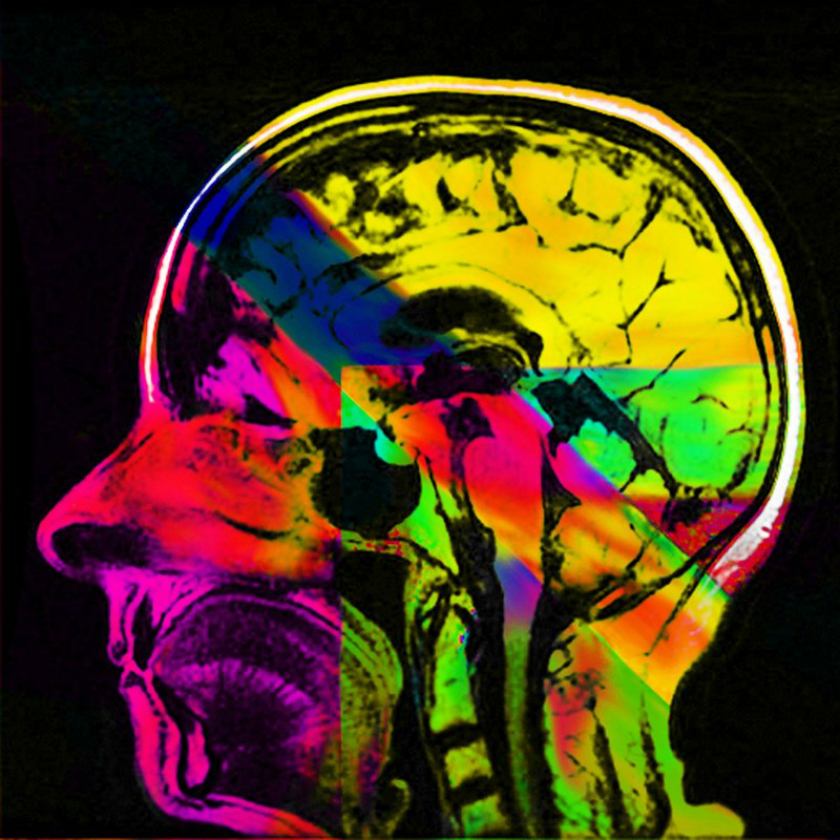
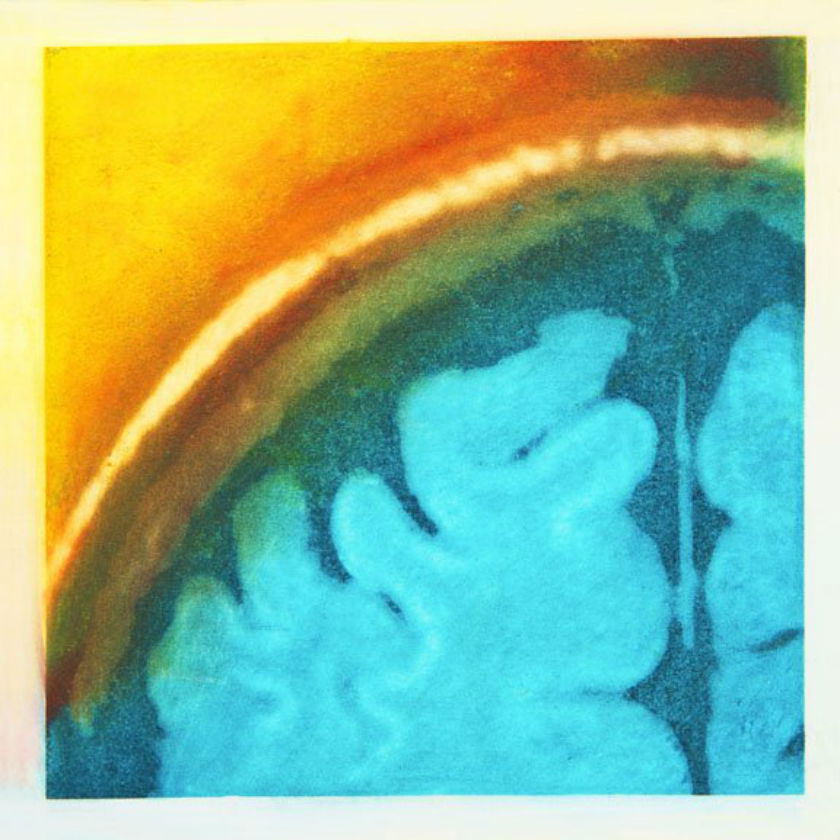
Creating art gave Elizabeth Jameson a new perspectiveon her Multiple Sclerosis diagnosis—and provided the medium to recontextualize illness and disability.
The idea came to me in my studio, triggered by the pile of black and white brain scans that had haunted me for so many months.
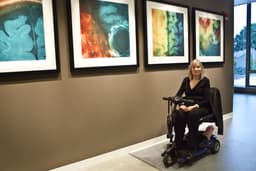
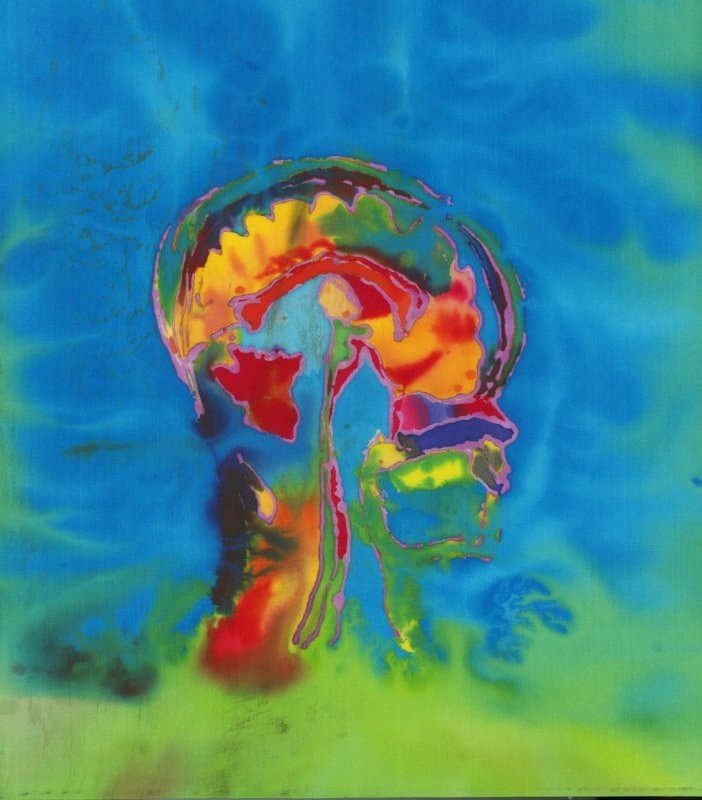
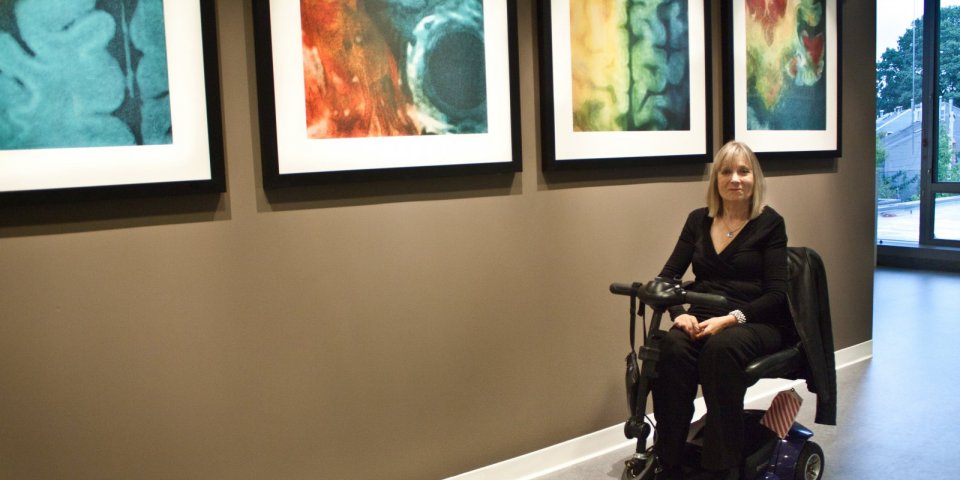
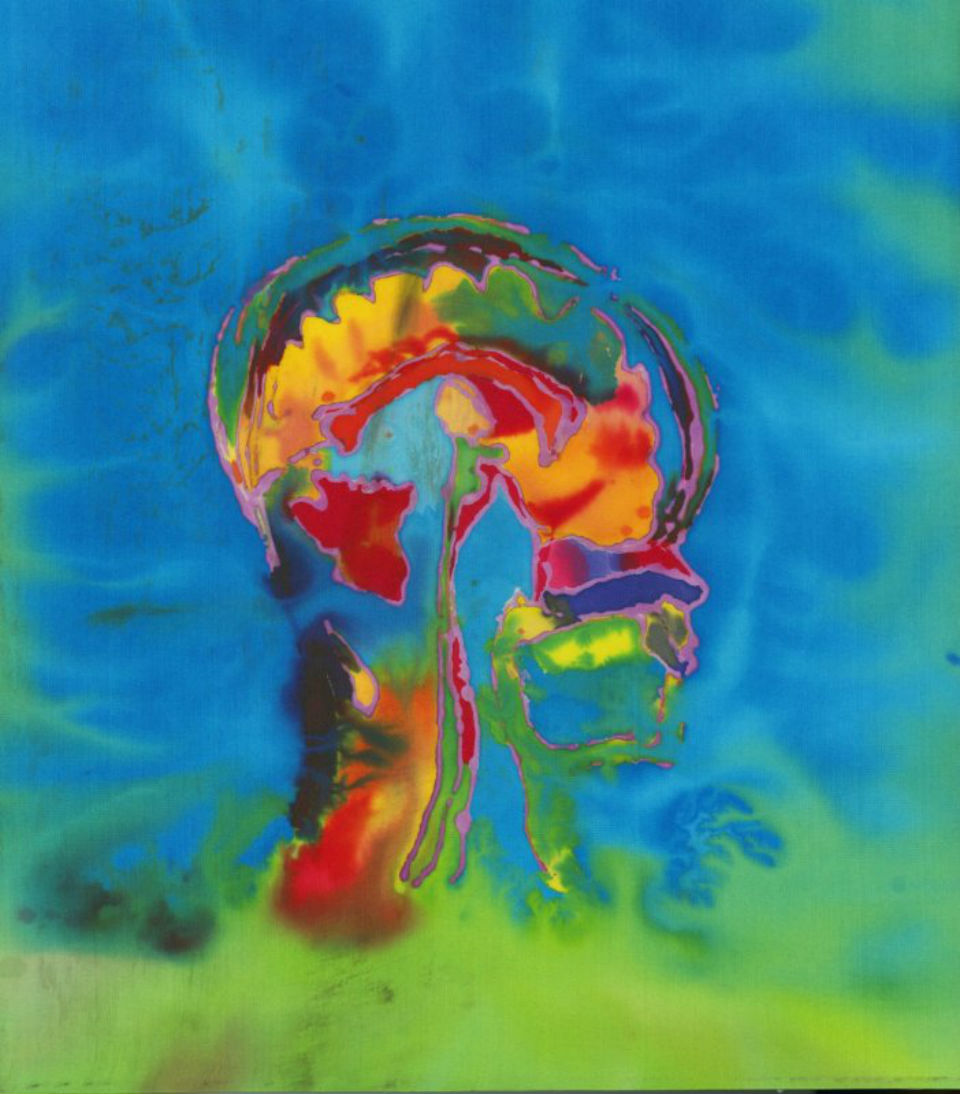
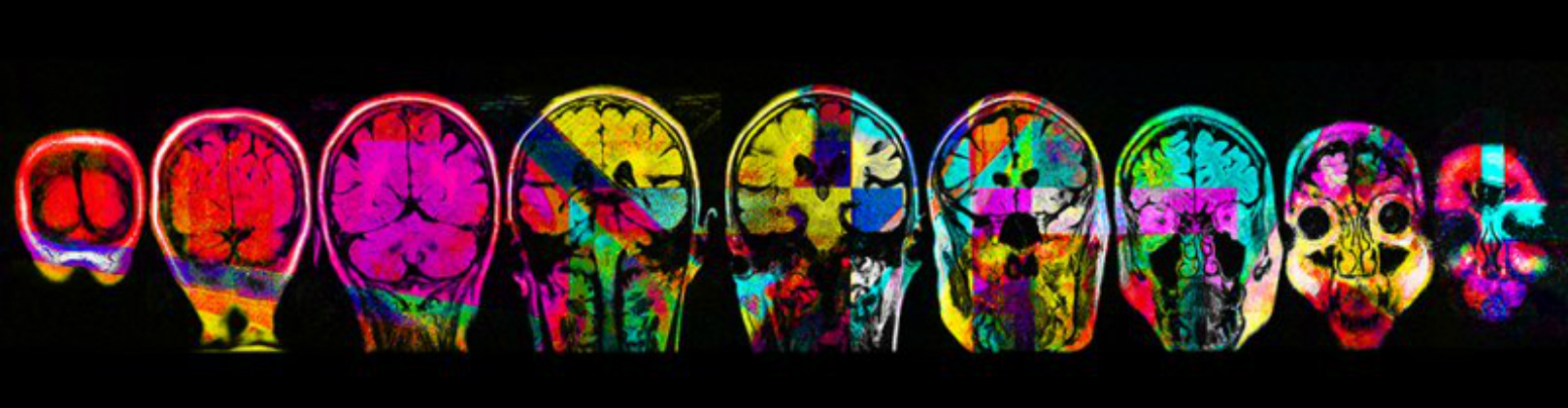
I am a former lawyer and now an artist, and I transform my brain scans in the hopes of celebrating what it means to live in an imperfect body, with an imperfect brain.
I’m a quadriplegic, and I want to create safe spaces for people to share their own unique stories about illness and disability. People with brain tumors, ALS, MS, Bipolar Disorder, traumatic brain injury, paralysis, missing limb…everyone has a story. People from all over the world have reached out to me when they see my work. It is my hope that by putting medical data back into the hands of the “patient” (aka the person), we can bring these conversations back into our homes, back to the dinner table, back into our daily lives. Rather than be the “other,” we want to be part of the crowd, acknowledged and celebrated for who we are.
After I talk about my work, people line up to tell me their stories, and I am so profoundly moved and blessed to hear and honor their perspectives about life with illness and disability. People are aching to talk about illness and disability. They crowd around me, sometimes forming a line, telling the story of their daughter, father, best friend, or themselves. Their scans. Their traumas. Their struggles.
I have not always been focused on using art to re-contextualize illness and disability. My life path changed when I was diagnosed with Multiple Sclerosis. It all began with the loss of my ability to communicate verbally. I was in the park with my husband, pushing our two sons on the swings, and I experienced an aphasic episode, meaning I couldn’t communicate verbally at all. After many tests, including Magnetic Resonance Imaging (MRIs), and a brain biopsy, I was diagnosed with MS.My voice and language skills came back, but it was not like before. I had trouble word-finding, and I no longer felt comfortable practicing law, my chosen profession.
I was left with my brain scans—the MRIs: black and white images of my brain that represented something I wanted to run far, far away from. I refused to look at them, but the images were tattooed on my forehead. I couldn’t escape them.
I was thrown into an existential crisis. I had loved being a lawyer. Unsure of what to do with my life, I discovered art. I had never owned a paintbrush; I had never cared about art. But, as a neuroscientist guessed, perhaps the lesions that had weakened my language encouraged new pathways to form in my visual, spatial regions. Who knows for sure, but I took to art like a moth to a flame.
I started out painting flowers, still life, and portraiture. But I grew bored of it. What good was I doing the world? What was the point? I had been a public interest lawyer before all of this, advocating for disenfranchised children, fighting for their right to necessary healthcare, working in prisons and hospitals. I was intent on changing the world. Now, directionless, I needed my work to help other people. I needed my artwork to mean something.
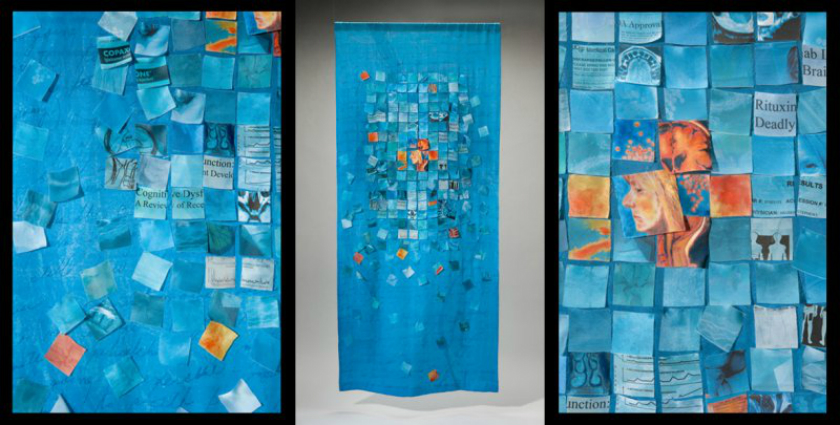
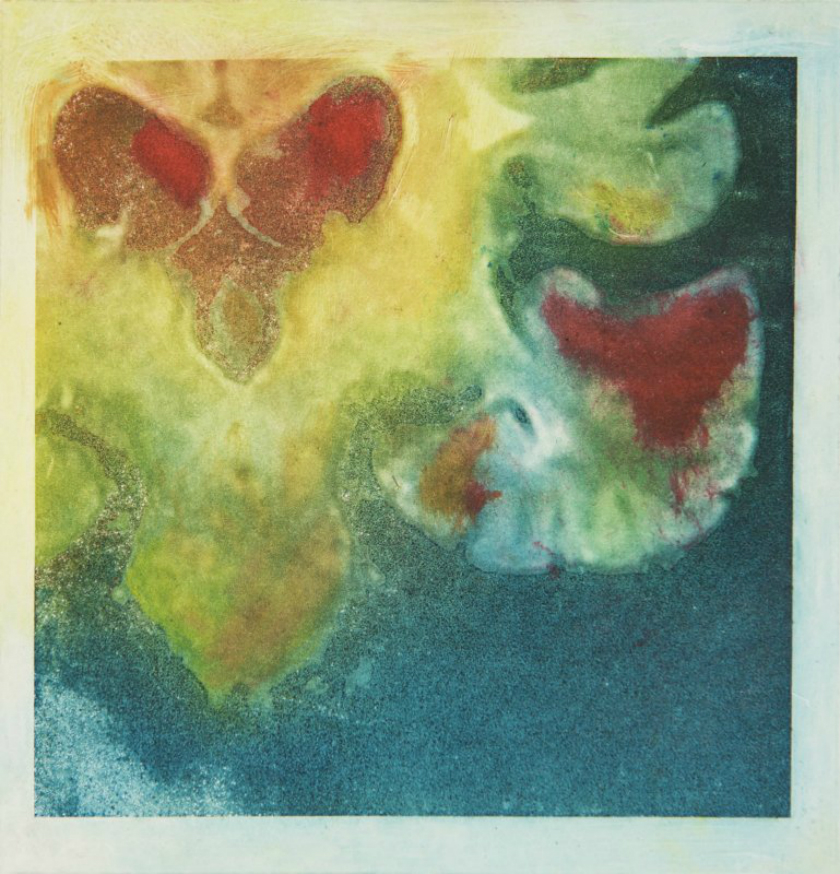
The idea came to me in my studio, triggered by the pile of black and white brain scans that had haunted me for so many months. I had to return to what I had been avoiding. I felt it was my duty to transform this medical imagery, reclaim it from the hands of the medical community and make it my own, something that truly could be a part of me, something I could stare directly at—not with fear, but with fascination.
I went to work.
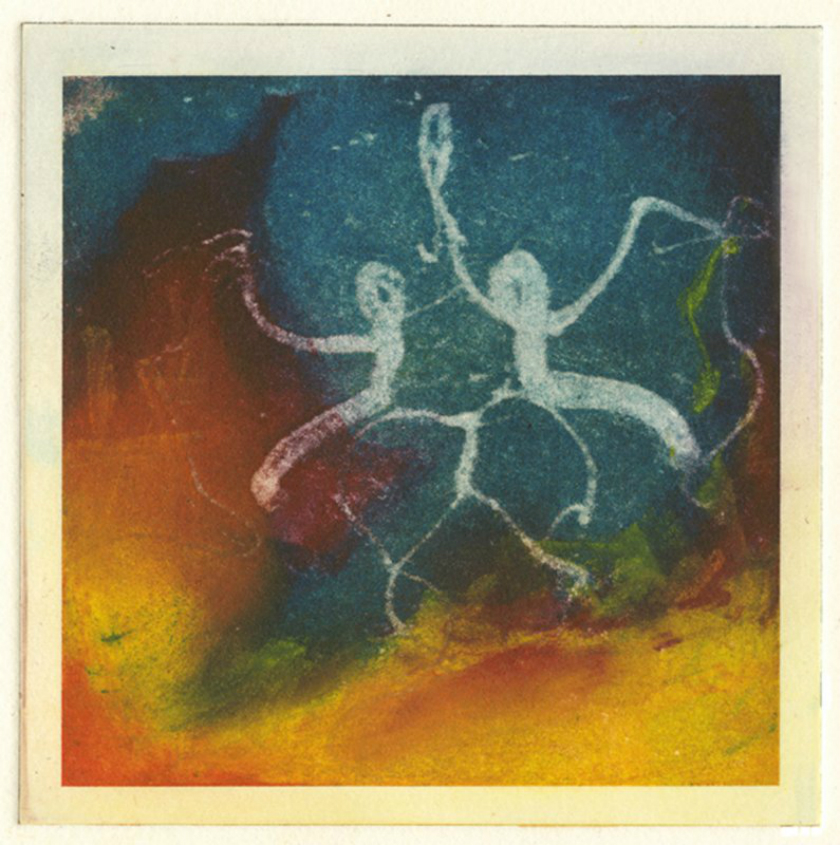
Through a process called photo-etching, I transferred my MRIs onto copper plates that I then covered in ink and ran through a printing press. The process of printmaking allowed me to make multiple copies of the same images, experimenting with color and mixed media. I began to collage my medical documents into some of my work. Work that started out as autobiographical became universal, when at my first opening I was approached by people who were living with ALS, and a person who had undergone a stroke. They related to my images. I was no longer creating to transform my brain scans: I was creating to transform what it means to have a brain that is diseased, different, and imperfect.
As my disease progressed, I went from living with an invisible illness to having a very visible disability. I am now a quadriplegic, without the use of my hands or legs.
I am extremely privileged to live the life I lead, to have access to a wheelchair and technology that allows me to use a computer and connect to the world outside my room. It is my hope that my artwork can open conversation, serve as a point of advocacy and awareness for those across the world who do not have access to the healthcare they need, the conversations they crave, and the social support that is necessary to thrive in an imperfect body.
Everyone knows someone with illness, if they themselves haven’t been impacted by it. Disability is everywhere, and inevitable. We are all imperfect—all human. I hope people will see in my artwork that we are all in it together.
WatchElizabeth Jameson tell her storyat TEDxStanford.
STORY AWARDS
This story was published as part of the World Pulse Story Awards program. We believe everyone has a story to share, and that the world will be a better place when women are heard. Share your story with us, and you could be our next Featured Storyteller!Learn more.
How to Get Involved
Learn more about Elizabeth's artwork at www.jamesonfineart.com. Read stories of people living with MS on Facing MS.
Elizabeth invites you to reach out to her through World Pulse or on social media @jamesonfineart.
- Leadership
- Health
- Disability Justice
- First Story
- Northern America