
Unraveling the Influence of Gendered Upbringing
Aug 15, 2023
first-story
Seeking
Visibility


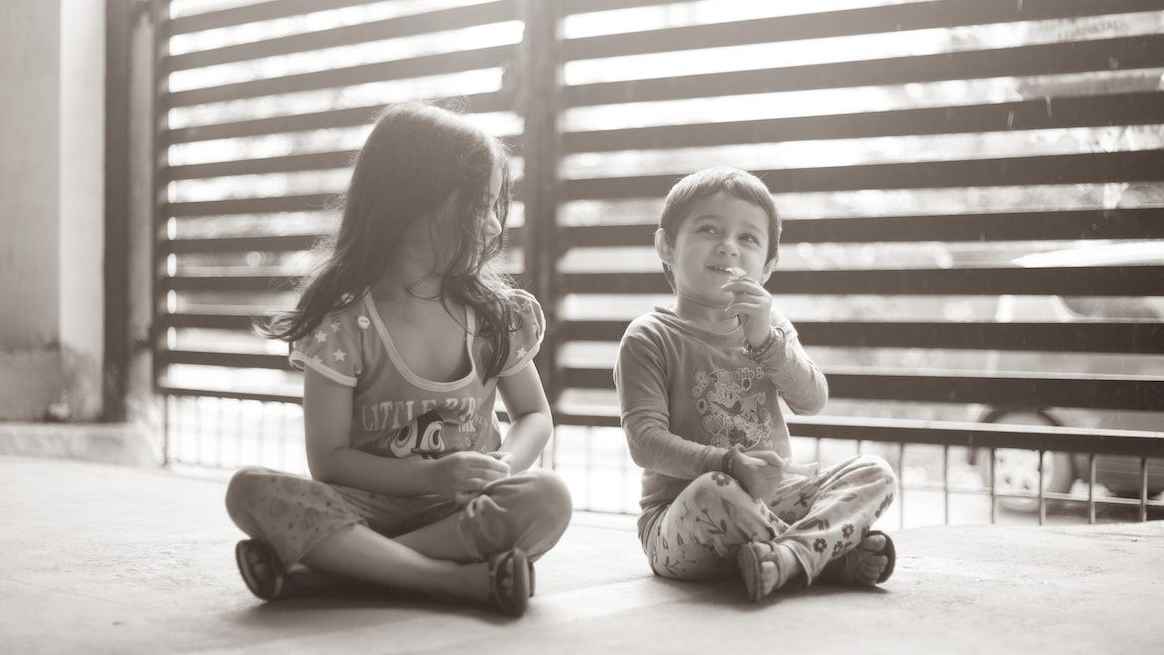
Photo Credit: Image courtesy Pexels
Societal expectations often orchestrate different tunes for boys and girls, moulding their identities, aspirations, and self-perceptions. The ways in which girls and boys are raised differently profoundly influence their trajectories in life.
From the moment a baby girl is cradled in loving arms, she is often enveloped in a cocoon of expectations that centre on the notion of "perfection." She is taught to be gentle, nurturing, and agreeable – qualities that society has traditionally admired in women. This emphasis on perfection extends beyond appearances and seeps into her actions, relationships, and achievements. As she grows, the pressure to embody an idealised version of womanhood mounts, nurturing a sense of vulnerability to judgement and criticism.
The pursuit of perfection can be a double-edged sword; while it may drive ambition and discipline, it can also stifle the courage to take risks and embrace failure as a stepping stone to growth.
Contrastingly, young boys are encouraged to be “brave” and explore the world with a sense of boldness. They are instilled with the belief that taking risks is part of their inherent nature. In their formative years, they might be praised for climbing higher, running faster, and displaying resilience, perpetuating the archetype of the fearless male. While this fosters a spirit of adventure and independence, it can also foster a culture that downplays emotions and vulnerability, leaving them ill-equipped to deal with emotional challenges or ask for help when needed.
A young girl is handed a Barbie doll and told, "Here's your future. It's pink, it's pretty, and it's got some extreme body proportions that defy the laws of physics." Meanwhile, her male counterpart is given a toolbox and told, "Here's your future. It's blue, it's manly, and it comes with a side of expectations about fixing things and grunting appreciatively at sports." But hey, you don't not start a bonfire with the plastic dolls just yet. We're all familiar with those well-intentioned, yet slightly misguided, gender norms that have been woven into the fabric of society. Boys are supposed to be strong, tough, and emotionless, while girls are expected to be nurturing, soft, and skilled in the art of walking in high heels without breaking an ankle.
I'm not here to bash the folks who handed out dolls and toolboxes. They were probably just following the script written by generations before them, like actors in a play who stick to the lines even if they make about as much sense as a talking pineapple. But let's fast-forward to the present, where those dolls and toolboxes have transformed into a grown woman trying to shatter glass ceilings while simultaneously avoiding stepping on Lego pieces in the corporate world.
Women often find themselves juggling the invisible handbag of societal expectations and the briefcase of professional ambition. It's like trying to balance a teacup on the edge of a spinning record, with the record being the ever-changing landscape of gender norms and the teacup being their sanity. And what's worse, it's not just about balancing those roles; it's about manoeuvring through a maze of biases. Let's take a moment to appreciate the absurdity of it all. Women, who can run countries, compose symphonies, and climb mountains, are still occasionally subjected to the patronising tap on the head and a condescending "Well done, sweetie!" as if they've just mastered the art of tying their own shoelaces.
These gendered messages subtly intertwine with every aspect of life, from school to playgrounds, and even to the career choices made later in life.
Girls gravitate towards roles that align with the nurturing aspect of their upbringing – such as teaching, caregiving, or the arts – which often come with lower pay and less recognition. On the other hand, boys lean towards careers that prioritise courage and assertiveness – like engineering, business, or leadership roles. This divergence is not an indication of inherent preferences but rather a manifestation of the deeply ingrained societal narratives.
It doesn't stop at childhood. As these young souls grow into adults, these gendered constructs continue to play a significant role in shaping their destinies. Women find themselves battling “imposter syndrome” and “perfectionism,” afraid to speak up in the boardroom or hesitant to demand equal opportunities. For example, a woman walks into a boardroom, ready to pitch her brilliant idea that could revolutionize the company. She's armed with facts, figures, and a presentation that could rival the spectacle of a fireworks show. And yet, the moment she opens her mouth, she's met with the metaphorical equivalent of a raised eyebrow and a “Are you sure you're in the right room?” It's as if the ghosts of gender norms past have taken up residence in that boardroom, whispering doubts and insecurities into the ears of those present. And suddenly, that woman's brilliant idea is drowned out by a chorus of skepticism that would make even the most tone-deaf singer wince.
There is hope on the horizon. Just as a caterpillar transforms into a butterfly, women are shedding the cocoon of gendered expectations. Slowly but surely, those biases are being dismantled, brick by brick, until the walls crumble like a sandcastle in the face of a determined wave. Women are showing the world that they can write their own scripts, compose their own symphonies, and yes, even fix their own darn toilets if they so choose. The stage is no longer reserved for just one gender. Here's to the women who are smashing through those glass ceilings with a sledgehammer made of determination and a dash of sheer audacity.
To break free from the limitations of gendered upbringing and unlock true potential of the girl child, all parents must embrace a more inclusive perspective that celebrates wholeness. Authenticity lies in accepting our flaws and vulnerabilities, understanding that growth comes from embracing all aspects of our identity. As a society, we must challenge these conventional norms and create nurturing environments that foster self-compassion, resilience, and empathy for all children, regardless of their gender.
Parents, educators, and mentors play a pivotal role in shaping the next generation. By encouraging girls to embrace their imperfections, and pursue their passions unapologetically, we empower them to challenge the boundaries of what's possible. Similarly, by teaching boys the value of emotional intelligence, empathy, and vulnerability, we liberate them from the confines of pseudo-stoicism and allow them to experience life more deeply and meaningfully.
The threads of gendered upbringing intricately weave into the fabric of our identities, shaping the way we perceive ourselves and the world around us. To foster a more inclusive and equitable upbringing, we must embrace a more holistic approach to raising children. By encouraging girls to explore their interests, we can create environments where they can thrive authentically. Empowering children with a diverse set of skills and experiences enables them to navigate life's challenges with confidence and resilience. By questioning and dismantling the societal norms that perpetuate these differences, we can create a world where individuals are free to embrace their whole selves, unburdened by limiting gender expectations.
Let us write a new chapter in our collective journey, one that nurtures the seeds of bravery and perfection in all children, paving the way for a more equitable and fulfilling world for generations to come.
- Girl Power
- Education
- First Story
- Global