
TRAUMATIC INTERVENTION ( counselling for mental Health)
Feb 10, 2023
initiative
Seeking
Connections


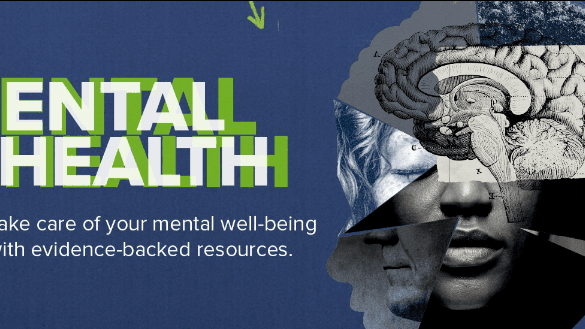
TRAUMATIC
Going through very stressful, frightening or distressing events is sometimes called trauma.
One in four children experience a traumatic event by the time they are 18 years old. Traumatic events can be life threatening and are bigger than what any child should ever have to experience/ even an individual who is grown , a guardian and parent. Traumatic events can be experienced on a one- time or a repeated trauma that happens over and over again. These traumatic events like natural disasters such as a tornado , fire or food. Sexual assault , physical assault , emotional torture ,witness shouting or stabbing of a person , sudden death of a parent or trusted caregiver.
TRAUMATIC INTERVENTION
This is a manulized trauma informed care intervention that helps children and parents process thoughts and feeling related to traumatic life events manage and restore distressing thoughts , feelings and behavior ; and enhance safety ,growth , parenting skills and family communication. Traumatic intervention can also be done when a group of people ( who are trained ) come together to spread mental health awareness to a community, society or nation through physical interaction ( one on one therapy session ) and through listening to counseling session on social media that can heal a soul having experienced such traumatic events ,has been caged for a long period of time because of the past sad experience but want to finally free themselves.
Now what is mental health?
Mental Health is a positive sense of well-being ,it is a belief in own worth and the dignity and worth and the dignity and worth of others as it is the ability for a person to
* to deal with the inner world of thinking , feeling,managing life and taking risks
* to initiate, develop and sustain mutually satisfying personal relationships
* to sustain a spiritual life.
WHAT ARE MENTAL DISORDERS?
Disturbances in perception,beliefs , thought processes and mood(psychoses) , disturbances in mood , concentration, irritability , fatigue ( neuroses or common mental disorders) , progressive organic disease of the brain ( dementias) , abnormal personality traits which are handicapping to the individual and/or to others ( personality disorder) , excess consumption and dependency on alcohol ,drugs and tobacco.
PREVALENCE RATES FOR MENTAL DISORDERS
* common mental disorders 10-20%
* psychoses 1%
* personality disorder 3- 5 %, join us as we sensitize our communities on the importance of caring for mental health.
- Positive Masculinity
- Health
- Stronger Together
- Our Impact
- Global