
"Transform and Unlock a girl's potential, through quality education. Empower girls today!"
Aug 20, 2023
initiative
Seeking
Visibility


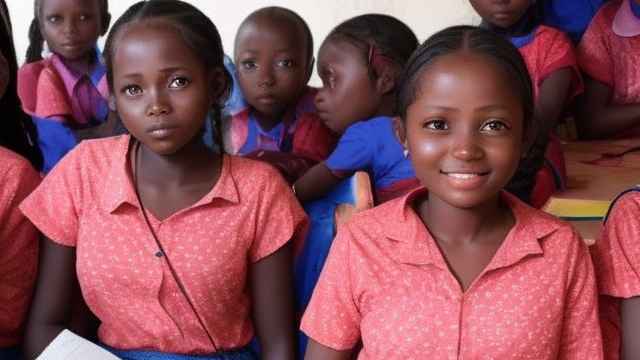
Losing my father at a young age was a profound and challenging experience for me. It disrupted my life and nearly forced me to give up on my education, until a stranger extended a helping hand. This person saw potential in me and decided to support my education. This act of kindness opened doors I never thought possible. These experiences ignited a fire within me, inspiring me to become an advocate for change.
My initiative is about unlocking the potentials of the girl child through education, In the bustling heart of Nigeria, where vibrant cultures intertwine with untapped potential, a quiet yet determined revolution is taking place. This Education for Girls Initiative is a beacon of hope and change, illuminating a path towards a brighter future for countless young girls across the nation. This initiative addresses a profound issue that has plagued Nigeria for generations - the unequal access to education. In this article, we will delve into the uniqueness of this initiative, exploring the problem it aims to solve, its significance, the ultimate goal, and the strategic actions i plan to achieve.
Nigeria, a country renowned for its rich tapestry of cultures and traditions, has long grappled with the issue of unequal access to education, especially for girls. Despite progress over the years, disparities persist in both primary and secondary education enrollment, with girls consistently falling behind their male counterparts. The reasons behind this stark inequality are multifaceted, ranging from socio-economic challenges to deep-rooted gender stereotypes. According to the 2021 Global Education Monitoring Report, there are 10.5 million out-of-school children in Nigeria, representing 25.9% of the total primary school-age population. Of these, 6.1 million are girls, making up 57.5% of the out-of-school children population.
One of the key challenges is the prevalence of early marriages and child labor among girls in certain regions of Nigeria. The pressure to conform to traditional roles often forces young girls out of school and into domestic responsibilities at an age when they should be pursuing education. Additionally, economic constraints can push families to prioritize the education of their sons over their daughters, further exacerbating the gender gap.
This Education for Girls Initiative is a testament to the resilience and determination of those who refuse to accept the status quo. It is a beacon of hope, igniting change in a nation where the empowerment of girls has long been overdue. The significance of this initiative lies in its potential to transform individual lives, communities, and the nation as a whole.
First and foremost, this initiative recognizes the fundamental right of every girl to receive a quality education. By addressing the deeply rooted gender disparities in education, it aims to unleash the untapped potential of thousands of girls, equipping them with the knowledge and skills to become future leaders, entrepreneurs, and change-makers.
Furthermore, the initiative acknowledges that empowering girls through education is not merely a moral imperative but also a strategic one. Educated girls are more likely to make informed decisions about their health, family, and future. They are better equipped to break the cycle of poverty, contributing to economic growth and stability. Educated girls become mothers who prioritize their children's education, creating a ripple effect that can transform entire communities.
The Ultimate Goal: Equal Access to Quality Education
The ultimate goal of this Education for Girls Initiative in Nigeria is as ambitious as it is inspiring: to ensure equal access to quality education for every girl in the nation. This goal encompasses multiple facets that, when achieved, will mark a profound turning point in the country's history.
Universal Enrollment: The initiative aims to ensure that every girl, regardless of her background or circumstances, has the opportunity to enroll in and complete primary and secondary education.
Retention and Completion: It seeks to address the issues that lead to high dropout rates among girls, such as early marriages and economic constraints, by implementing strategies that support girls in completing their education.
Quality Education: The initiative is committed to improving the quality of education offered to girls by investing in teacher training, school infrastructure, and curriculum development.
Empowerment: Beyond academic learning, the initiative seeks to empower girls with life skills, self-confidence, and a sense of agency, enabling them to make informed choices about their lives and futures.
Strategic Actions to Achieve the Goal
The Education for Girls Initiative in Nigeria is not merely a vision; it is a well-thought-out plan supported by strategic actions designed to bring about lasting change.
Community Engagement: The initiative recognizes that change begins at the grassroots level. It actively engages with local communities to raise awareness about the importance of girls' education and address cultural barriers.
Scholarship Programs: To alleviate economic constraints that often hinder girls' education, the initiative offers scholarships to deserving girls, ensuring that they have access to the necessary resources.
Teacher Training: Recognizing the critical role of teachers in girls' education, the initiative invests in training programs to enhance the skills and awareness of educators, particularly female teachers who can serve as role models.
Advocacy and Policy Reform: The initiative works hand-in-hand with policymakers and advocates for policy changes that support gender equality in education. This includes addressing issues like early marriages and gender-based violence.
Safe Learning Environments: It collaborates with schools to create safe and welcoming learning environments for girls. This includes improving infrastructure, providing sanitary facilities, and implementing measures to prevent harassment.
Mentorship and Life Skills Training: Recognizing that education extends beyond textbooks, the initiative offers mentorship programs and life skills training to empower girls with the tools they need to navigate life's challenges.
Monitoring and Evaluation: To ensure accountability and measure progress, the initiative implements rigorous monitoring and evaluation processes, tracking the enrollment, retention, and academic performance of girls.
In conclusion,this Education for Girls Initiative is not just another educational program; it is a movement that has the power to redefine the future of an entire nation. By addressing the deep-rooted issue of unequal access to education, it is unlocking the potential of countless girls who would otherwise remain marginalized.
- Education
- Girl Power
- Human Rights
- First Story
- Our Impact
- Stronger Together
- Digital Skills
- Global