
The New storyline: Changing the Narrative about African women
May 28, 2019
story
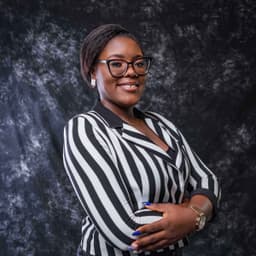

7:30 am:African Media Avenue It’s a busy day on the streets along the African Media Avenue. Television and radio channels, magazines, newspapers and social media are opening their doors to start serving \"The News. Information is power and knowing what is happening around you is one of the top priorities on the daily menus for most people. For me it’s no different. So, I stop at the Africa Media Avenue to get served \"The News\". Women and men are moving through the avenue rapidly trying to get served by news shapers. \"What's on the news?\". I am right here grabbing papers, switching radio and television channels and browsing the internet. I make a stop at all media sectors to get the big stories, but unfortunately nothing has changed, particularly in the way women are presented on this avenue. The same stereotypical images of women as impoverished or pitiful beings who are at the mercy of humanitarian organisations are still glaring on the papers and the big stories of women influencing changes are missing. Now I think this is not fair, but I seem to be the only one who thinks so. Everyone else just grabs a copy of the papers and magazines without questioning storytellers about the stories they are telling with words and pictures. Well they will probably question these when they get to their respective offices. I am in my own office already on this avenue as a journalist and that's probably why I am questioning. Last stop on social media street.... Seemingly Facebook has been reading my mind. I find a notice which urges me, \"get in here, there is a seminar on gender responsive reporting and changing the narrative in Dar es Salaam, Tanzania and Cameroonian journalists are invited to the training organised by UNWomen\". Oh yes! I am invited so I try to get in but I find hurdles on the way...Do I give up and go back and keep worrying? No! I had to overcome the challenge and get to Tanzania. Remember how I wondered before? My thoughts on people not caring about the kind of stories being told about women? Well, I arrived in Dar es Salaam and got the response to what I was wondering about. A room full of like-minded journalists from 13 other countries in Africa, sitting across tables exchanging ideas and sharing knowledge and strategies on how to change the narrative. So where do we start? What tools do we need to change the narrative of how stories about women are being told by mainstream media? According to lead facilitator, Karen Williams, harnessing conversations in the room and guiding participants through developing solutions, \"lobbying with editors to mainstream gender in reporting is important in changing narratives for women\". She adds that \"developing your beat as a gender reporter will increase the number of journalists telling the stories of women across the continent.” Just so that I am sure we are on the same page, I ask some participants in the room to share with me how important the seminar is for them. Fatima, a journalist from Zimbabwe, tells me she now has better solutions on narrating gender inclusive stories and doing so in ways which are unique. Martha, a photojournalist from Ethiopia says, \"The kind of stories I am going to start telling through pictures after this workshop will be more critical and will contribute to change the stereotypical narratives that often robs African women of dignity\". So why is this important? The media shapes the thoughts and ideas in the minds of the masses and for several years they have been telling an incomplete story of African women. The single story narrative of African women ought to be decolonised if African women are to join the table and contribute to achieving gender parity. The former executive director of Tanzanian Media Womens Association, Valerie Msokaka says, \"It is critical that the news reflects the world as seen through the eyes of women and men including .the nature of news, the choices made about what is newsworthy and the way that the story is reported must change\". It is often said that the journey of a thousand miles begins with one step. So what happens when 14 steps are taken by the 14 African journalists attending the training to change the way stories about African women are being told? With 14 new kinds of stories coming up on the African Media Avenue I guess we heading towards covering fourteen thousand miles and of course many more people are eventually joining us on this journey. Right now I am stepping out to find more gender responsive stories...Get on the train and let's go...Let's do this.
- Africa