
The history of women's suffrage and the fight for equal rights
Feb 8, 2023
story
Seeking
Visibility

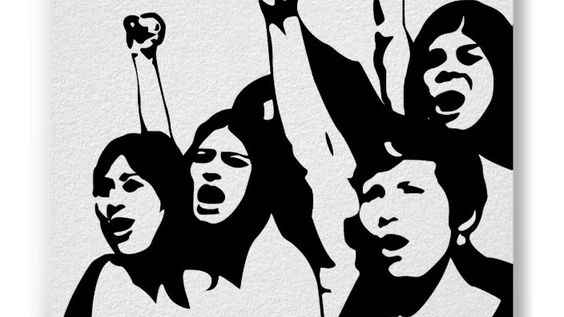
The history of women's suffrage and the fight for equal rights is a long and complex one, spanning centuries and encompassing numerous countries and cultures. Despite the many challenges and obstacles faced by women throughout history, the struggle for equality has persisted and has made significant strides in many parts of the world.
The earliest examples of women's suffrage can be traced back to the late 19th and early 20th centuries, when women in countries such as the United Kingdom, the United States, and Australia began to organize and agitate for the right to vote. These early suffrage movements were often led by middle-class women who were motivated by a desire to participate in the political process and to have their voices heard on issues that affected their lives.
One of the most famous suffrage leaders of this time was British suffragette Emmeline Pankhurst, who founded the Women's Social and Political Union (WSPU) in 1903. The WSPU was known for its militant tactics, including hunger strikes and the use of violence, and helped to bring the issue of women's suffrage to the forefront of public attention.
In the United States, the fight for women's suffrage was led by figures such as Elizabeth Cady Stanton and Susan B. Anthony, who formed the National Woman Suffrage Association in 1869. The suffrage movement in the US gained momentum in the late 19th and early 20th centuries, and in 1920, the 19th Amendment to the US Constitution was ratified, granting women the right to vote.
However, despite these early victories, the struggle for women's rights and equality has by no means been easy or straightforward. In many countries, women still face significant challenges, including unequal pay, discrimination in the workplace, and limited access to education and healthcare.
Despite these challenges, the importance of the women's suffrage movement and the ongoing fight for equal rights cannot be overstated. Women's suffrage has been a catalyst for wider social and political change, inspiring women around the world to speak out and demand their rights. It has also helped to challenge and reshape traditional gender roles and has given women a greater voice in the political process.
In the present day, the struggle for women's rights and equality continues, and there is still much work to be done. Women around the world are still fighting for the right to vote, for equal pay, for access to education and healthcare, and for protection from violence and abuse.
However, despite these ongoing challenges, the women's suffrage movement remains a source of inspiration and hope for millions of women and girls around the world. It serves as a reminder that, even in the face of opposition and adversity, progress can be made and that the fight for equality is never over.
In conclusion, the history of women's suffrage and the fight for equal rights is an ongoing and complex one, but one that is essential to understand and remember. The struggles and sacrifices of the women who came before us should inspire us to continue to fight for equality and to never give up on the quest for justice and dignity for all women and girls.
- Human Rights
- Leadership
- Education
- Girl Power
- Peace & Security
- Gender-based Violence
- Moments of Hope
- Our Voices Rising
- Shout Your Vision
- Stronger Together
- Future of Security Is Women
- Our Impact
- Sexual and Reproductive Rights
- Peace Building
- Youth
- Global