
The Art of Story Telling
Feb 26, 2023
story
Seeking
Visibility

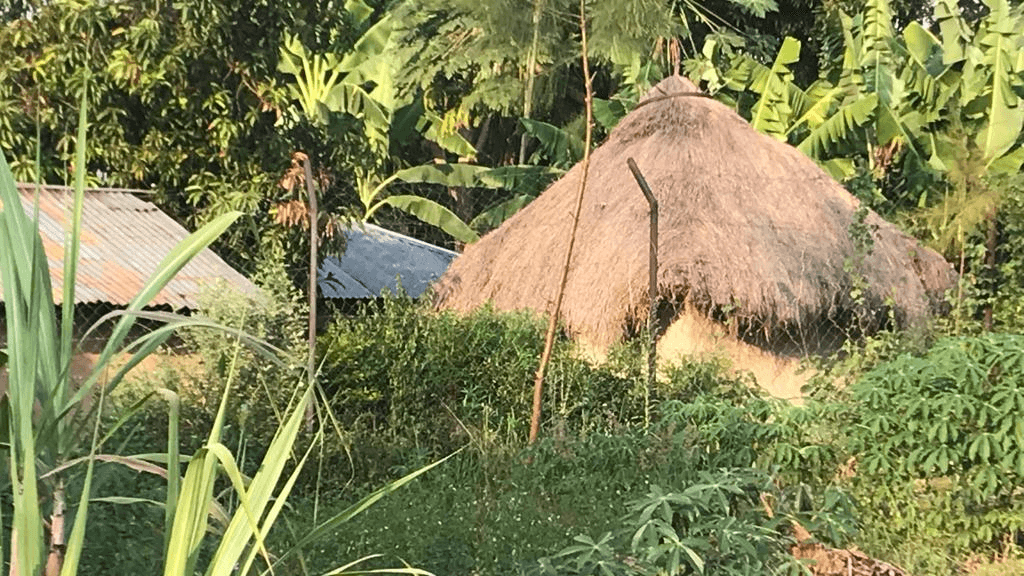
The African continent is rich with stories .In the olden days grandparents played the role of storytelling. Grandchildren could be gathered at the grandparents’ house , seated on the floor , with the grandparents sitting on three legged stools to share stories to their young ones. In my culture , we have very many stories of heroes and heroines , of myths that have been passed on from generation to generation through oral traditions. Stories help pass a message, they communicate an issue , they remind one of the past and prepare the same for the future. Stories are used as a cautionary mechanism lest evil befall a person because of their actions. Take for example the story of Simbi Nyaima[1] , the village that sank when the villagers refused to give food to an old women and were punished as a result or the story of Nyamgotho[2] , who had been fished from the lake but because her husband abused her , she took all the wealth back to the lake .The Luo , my community also had stories of heroes such as the dreaded warrior Lwanga Magere[3] whose body is said to have been made out of rock and who led the Luos to many battles which they won until he was betrayed and killed.
Story telling is an important element .Prior to telling one’s story, a person goes through a lot of things in their minds .They ask why tell my story, who is my audience, how will they receive the story , after the story what next , will it bring backlash?. If so how will I handle it.Some stories are quite sad , others are humorous. I remember once I got invited to a training organised by university students I was mentoring and I was to share a story about being focused ,my story at the university of life. When I shared with the students that my first job was to sell knives , after studying marketing management and how for the whole day I never sold any knife , and of a potential customer to whom after explaining what I was selling and showing him the box of knives that I was carrying – sigh , they were 14 in total and were in all shapes from the butcher’s knife, serrated knife, all sizes. The response to my assumed potential sale was “If my wife has only one knife at home and I often feel scared , what of these 14, aren’t these weapons of mass destruction? The students burst out laughing. .I shared with the students that I never made any sale, my legs were swollen by the end of the day because of walking around Nairobi’s Central Business District The. Yes that was my story and that is how I moved from marketing management into community work which I have a passion for to date.
Our stories when we tell them encourage others and give them hope. I once shared a photo online on the International Day of the Girl Child – I had two photos , one when I was about 4 years holding a doll , alongside another one of when I had travelled to Rome as part of the Civil Society and Indigenous People’s Mechanism(CSIPM) as a negotiator on matters gender, women and girls in the context of nutrition and food security. This caption reminded me of the dreams that I may have had when I was young , talking to my dolls and telling them that someday , someday , I will travel the world. The dreams had come true and I was sharing this to motivate others , to remind them that it is not over and not to quit.
I have a lot of stories that can be shared from my personal university of life. My experiences have made me bolder and more courageous .The experiences have injected in me a spirit of never giving up. I tell my stories to motivate others , to show them that something better is coming , around the corner. Stories should be shared to communicate our bad experiences, to reclaim our power and our dignity , to shift from being a victim to a survivor. I once shared a story of being asked several times by the airport police upon landing in Lebanon whether I was waiting for my madam. The assumption being so long as you are of African descent in the Middle East and you are female , you are a domestic worker. Several times I had to explain that I did not have a madam and neither was I expecting one. Stories when we tell them communicate our realities, how we feel at any given time, how you react to a given situation and how you get out of it.
Stories should be shared to mobilise solidarity and amplify local experiences .Without stories , who would know about the experiences of farmers in Muvuti -Eastern Kenya who bought seeds, the seeds never germinated and when they called a number the agrovet owner had given them to call when the seeds failed , the response was ‘the mobile subscriber cannot be reached’. Without stories ,who would know that women in informal settlements in Kenya exchange sex for water?.[4]Without stories the experiences of women who due to climate change have to exchange sex for fish[5] would be forever muted. What of the experiences of women who suffer from Gender Based Violence when they travel for long distances to get water due to climate change or the communities forcefully evicted from their land or the women and orphaned children evicted from their homestead when their father dies and have to relocate to the city and are forced to stay in an informal settlement because they cannot afford decent living?. Through stories the world gets to know of the exploitation of women in plantations.[6] Stories help us get justice , it is when we talk it out that other people including relevant authorities can get to act on a situation or get support for an issue. For example, without stories , who would understand that privatisation of education has made many children drop out of school or inhibited transition to secondary schools because parents cannot afford and children who pass exams are forced to crush stones until well wishers come to their rescue? Or being forced to repeat classes because either their parents or guardians are too poor to raise the required school fees?.[7]Without stories who would understand the plight of young girls who migrate abroad in search of greener pastures only to be brought back broken and disabled or dead or sometimes with missing body parts.[8]
Stories connect us , they create a sisterhood amongst us and make us feel the pain or the joy of the story teller. Stories help propel us to carry out advocacy work , to demand change and shift from bystanders to engage in issues .Through story telling the world gets to know that at of today 6 million Kenyans are at risk of starvation because it has not rained for a long time. It is through stories that we get to celebrate our triumphs and joys and share the positives that are happening to our communities .
Stories form a beautiful tapestry of memories, stories stand the sands of time , stories are celebrations of our triumphs and an expression of our victories .
[1] https://254afreakan.wordpress.com/2013/03/06/simbi-nyaimathe-myth-surrounding-the-unfamiliar-lake-in-kenya/
[2] https://importantissuesonline.wordpress.com/2018/06/08/the-nyamgondo-son-of-ombare-tale/
[3] https://artsandculture.google.com/story/luanda-magere-the-story-of-the-great-luo-warrior/IAJyPc0dTAt5IQ
[4] https://www.youtube.com/watch?v=ns67dubdgIw
[5] https://www.reuters.com/article/us-kenya-women-idUSKBN1842I9
[6] https://www.voanews.com/a/bbc-uncovers-sexual-abuse-on-keyan-tea-plantations/6970453.html
[7] https://twitter.com/ntvkenya/status/1623024668155478016
[8] https://observer.ug/news/headlines/72675-govt-starts-probe-into-internal-organ-harvesting
- Training - Digital Storytelling
- Global