
Shades of the Mind
Aug 15, 2023
first-story
Seeking
Visibility

Prevalence of Racial Disparities in Mental Health Diagnosis
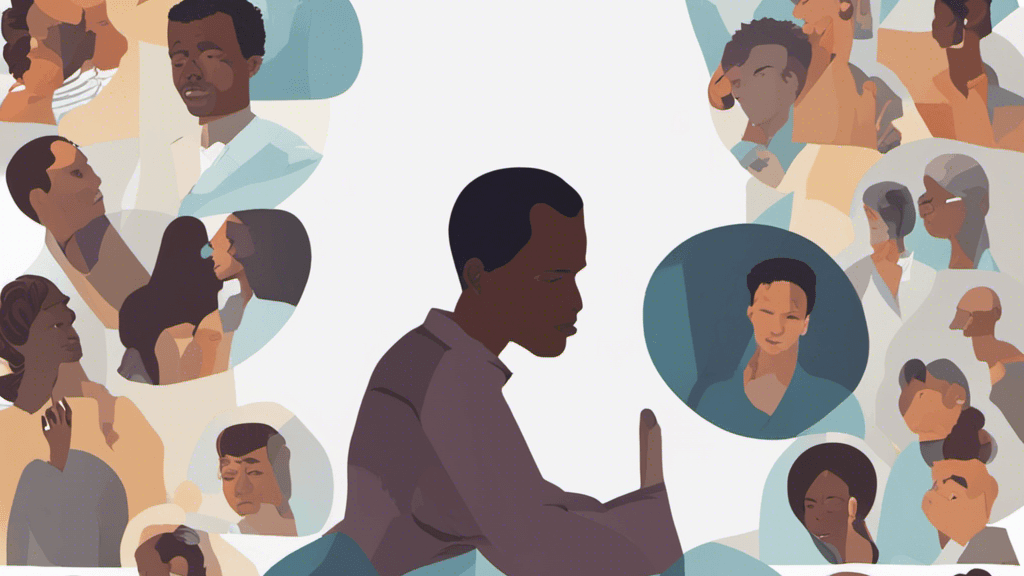
Racial disparities in mental health diagnosis have emerged as a pressing issue that demands our attention. It is imperative to acknowledge that mental health disorders do not discriminate based on race or ethnicity. However, the manner in which these disorders are diagnosed and treated often varies among different racial and ethnic groups. Implicit bias serves as a significant factor in the differential diagnosis of mental health disorders within these communities. Research indicates that healthcare providers may be influenced by implicit biases when making mental health diagnoses, resulting in unequal treatment. These biases can manifest in several ways, such as misdiagnosing or underdiagnosing certain conditions based on race. Consequently, it becomes crucial to address these biases within the healthcare system to ensure that individuals of all races and ethnicities have equal access to quality mental health care. By delving into and comprehending the role of implicit bias, we can strive to eliminate racial disparities and foster a society that promotes equitable mental health care for all. upon a time, in a world not so different from our own, there existed a land called Harmony. In this land, people of different races and ethnicities lived side by side, sharing their lives and experiences with one another. However, hidden beneath the surface of this seemingly harmonious society, there lay a pressing issue that needed to be addressed: racial disparities in mental health diagnosis.
That's the context, 👇 below is the creative story of the above.
In Harmony, it was widely known that mental health disorders did not discriminate based on race or ethnicity. Depression, anxiety, and schizophrenia could affect anyone, regardless of their background. Yet, the way these disorders were diagnosed and treated often differed among the various racial and ethnic groups.
Implicit bias, like a shadow lurking in the minds of healthcare providers, played a significant role in perpetuating these disparities. Unbeknownst to them, these biases influenced their decisions when making mental health diagnoses, leading to unequal treatment.
Research conducted by Harmony's brightest minds shed light on this issue. They discovered that healthcare providers, despite their best intentions, were susceptible to the influence of implicit biases. These biases could manifest in subtle ways, such as misdiagnosing or underdiagnosing certain conditions based on a person's race.
This realization struck a chord with the compassionate hearts of Harmony's inhabitants. They recognized the need to address these biases within their healthcare system, to ensure that all individuals, regardless of their race or ethnicity, had equal access to quality mental health care.
A movement was born, driven by a shared desire for justice and equality. The people of Harmony came together to explore and understand the role of implicit bias. They delved deep into their own minds, confronting their own prejudices, and learning how to recognize and overcome them.
In the heart of Harmony, a grand institution called the Institute of Mental Well-being was established. This institute became a beacon of hope, dedicated to research, education, and eliminating racial disparities in mental health diagnosis.
Within the institute, healthcare providers underwent rigorous training, focusing not only on the technical aspects of their profession but also on the importance of empathy and understanding. They engaged in open dialogues, sharing stories and experiences from different racial and ethnic backgrounds. They learned to listen, truly listen, to the voices of those who had long been silenced by the weight of implicit bias.
Outside the walls of the Institute of Mental Well-being, a ripple effect began to take place. The people of Harmony, inspired by the progress being made, started to question their own biases and assumptions. They engaged in meaningful conversations, challenging societal norms and striving for a more inclusive and equitable society.
As time went on, the shadows of implicit bias began to fade, replaced by a newfound sense of empathy and understanding. Mental health diagnoses were no longer clouded by the lens of race; instead, they were based solely on an individual's unique experiences and symptoms.
In Harmony, the stories of those who had been misdiagnosed or underdiagnosed due to implicit bias became a part of the collective memory. Their struggles were not forgotten but used as fuel to drive change. The people of Harmony stood united, committed to ensuring that the mistakes of the past would not be repeated.
Through their unwavering dedication, racial disparities in mental health diagnosis slowly became a thing of the past. Harmony became a shining example to the world, showing that by acknowledging and addressing implicit bias, it was possible to create a society where all individuals, regardless of their race or ethnicity, had equal access to quality mental health care.
And so, the story of Harmony serves as a reminder to us all, that in the depths of our minds, lies the power to eliminate racial disparities and promote a world where the shades of our minds are treated with the same care and respect.
- Education
- Human Rights
- Health
- First Story
- Our Voices Rising
- Global