
Remember the Plight of People in Pakistan
Sep 29, 2022
story
Seeking
Encouragement
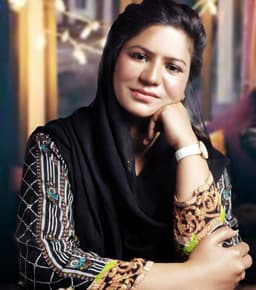

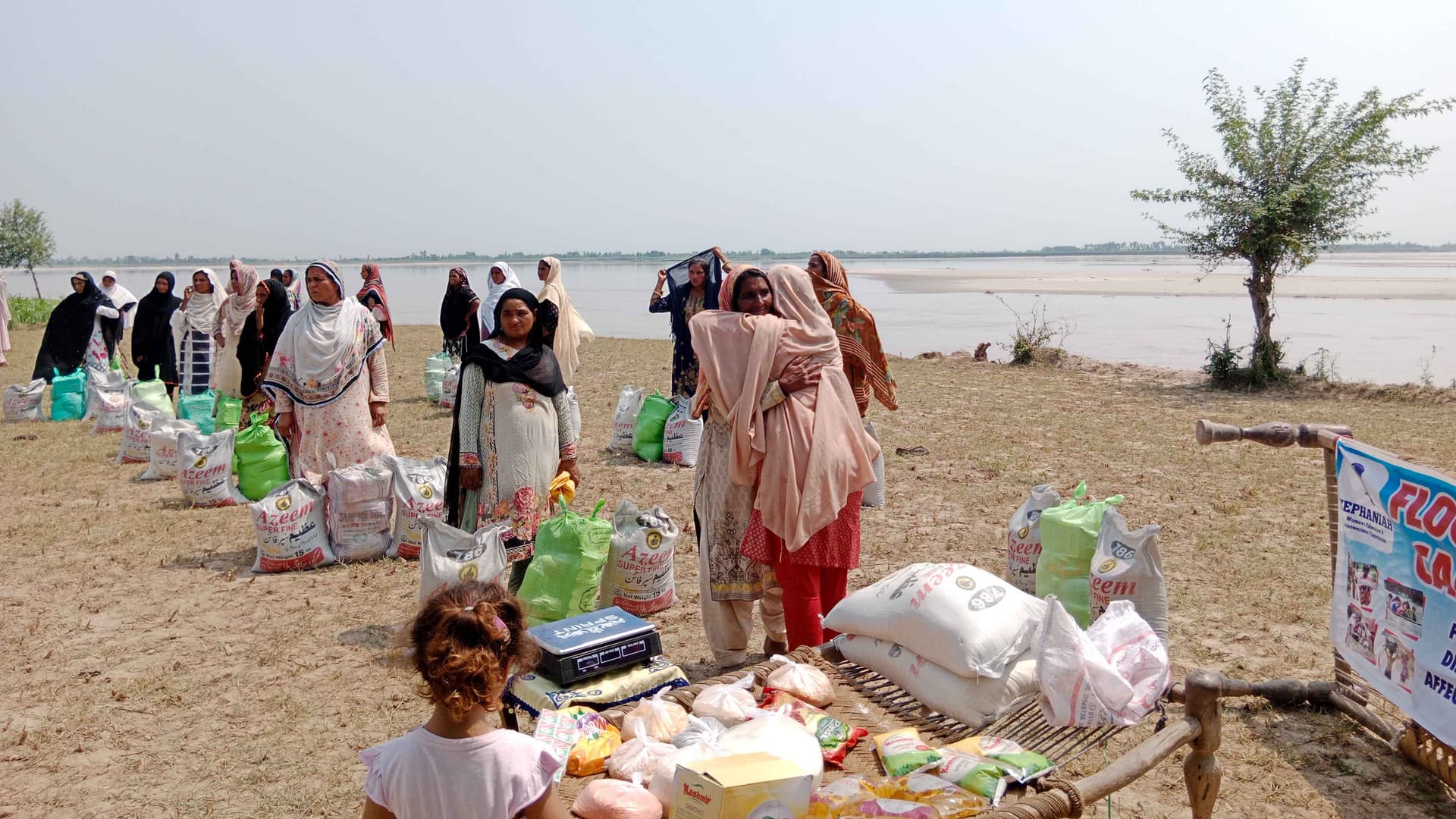
Photo Credit: Sister Zeph
Sister Zeph comforts a woman in Kotmomin, Pakistan following devastating floods.
In the aftermath of destructive floods in Pakistan, Sister Zeph recounts her visit to Kotmomin, urging readers to support the communities most vulnerable to climate change.
“I wish I could give them hope, bring a smile to their faces, make them feel they are not alone, and make them realize that humanity is still alive in the world.”
Pakistan is the fifth most populous country in the world, with more than 220 million people. It is also the ground zero for global warming consequences. Pakistan contributes less than one percent of the world’s greenhouse gasses that cause global warming, yet its 220 million people are among the world’s most vulnerable victims of climate change. For the past 20 years, Pakistan has consistently ranked among the top 10 most vulnerable countries on the Climate Risk Index, with 10,000 fatalities due to climate-related disasters and financial losses amounting to about $4 billion from 173 extreme weather events including severe heat waves, land sides, smog, floods, droughts, and forest fires.
Consequently, resources such as water have become scarce. It is alarming that the Himalayan and Karakoram glaciers will retreat in the next three to four decades, increasing flows in the Indus River System. Glaciers in Pakistan are continuously melting because of rising temperatures. By 2035, the country will no longer have water reserves in the shape of glaciers, threatening the food security and livelihood of those who depend on the Indus Basin Irrigation System. The receding glaciers’ impact on 95% of irrigated land will especially affect the livelihoods of small farmers.
Since I am a frontline community leader, my job is to prepare people for future challenges caused by climate change. As news spread about the floods in Pakistan in early July, it initially felt normal to me. We often expect floods in some areas of the country after heavy rains. I used to think that if there were a flood in my area, I would be lucky to shift to the upper floor, along with my team and some neighbors. These plans made me feel safe.
August challenged my assumptions when videos surfaced from Sawat and other cities. I saw flood waters overflow roads and demolish houses, hotels, big buildings, and bridges. The flooding wreaked havoc in four provinces, with one-fourth of the country under water. My city, Gujranwala, was one of the few spared.
Despite their pleas for help, people drowned as helpless onlookers struggled to reach them. Many people died under their own roofs, surrounded by water. Mothers desperately searched the waters for their children. A couple of days had changed the whole country.
I decided to visit the areas myself and meet survivors of the flood in person. I chose a nearby location, Kotmomin, where our organization bought grocery packs for 100 families and school supplies for 100 students. Located near Chenab River, Kotmomin is a traditional agricultural district. There is a sharp divide between the rich (landlords) and the poor (landless peasants or small farmers). Floods and heavy monsoon rains caused the river to swell and erode 3,000 acres of land, destroying 2,050 acres and the livelihoods of around 450 small farmers.
As soon as we reached the targeted area, women and children shouted, “Be careful! The land will go into the river anytime due to erosion.” The whole time I was there, they cautioned us because their acres of land, homes, cattle, and crops had become a part of the river. Children suffered from diarrhea and skin diseases, while women lacked access to private washrooms, clean water, and medical treatment.
Water engulfed their homes as ominous clouds threatened to unleash more rain. It was almost impossible to walk along the mud-strewn roads. I noticed that the children in the flood-affected area did not smile. They seemed deep in thought, barely clothed, and distraught because the flood waters swept their school bags away.
Mosquito bites covered their faces, hands, and feet; many were itchy and feverish without a place to bathe. Women told us they had not washed their faces for many days and had to eat food provided by the NGOs with dirty hands because there was no clean water to drink or bathe.
The floods killed more than 1,500 people and impacted 33 million people, 16 million of them children. In the aftermath, UNICEF reports that 3.4 million children needed life-saving aid immediately, and 3 million children lost access to education. Eight hundred thousand pregnant women now lack access to basic health facilities.
With one-fourth of the country underwater, Pakistan needs $30 billion to rebuild. More than 1.1 million houses have been damaged or destroyed, and inflation has reached 39%. People lack access to food and nutrition even in areas with no flooding.
I think of the people I met and the many needs they face in the aftermath of these floods. In the weeks and months ahead, they’ll need medicine, sanitary pads, soap, clean drinking water, clothes, blankets, and winter gear. I wish I could do more for them, but I do not have any more resources to offer. I wish I could give them hope, bring a smile to their faces, make them feel they are not alone, and make them realize that humanity is still alive in the world. But I can bring attention to their plight.
STORY AWARDS
This story was published as part of World Pulse's Story Awards program. We believe every woman has a story to share, and that the world will be a better place when women are heard. Share your story with us, and you could receive added visibility, or even be our next Featured Storyteller! Learn more.
- Human Rights
- Peace & Security
- Environment
- Climate Change
- South and Central Asia