
Preparing the population for peaceful elections
Feb 15, 2023
initiative
Seeking
Connections
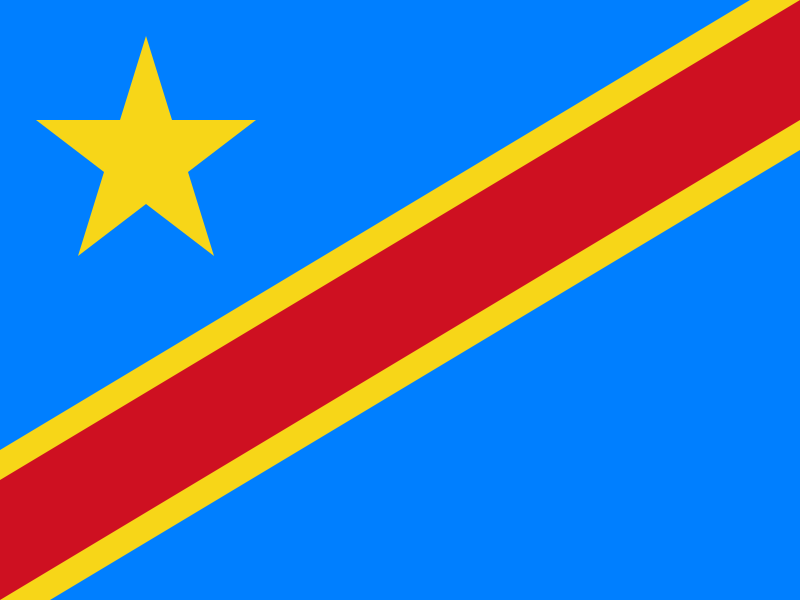
The major development problems in the DRC and particularly in the two Kivus as characterized and analyzed by the grassroots population are: the dilapidated state of the roads and the impassability of the transport infrastructure and consequently the isolation of certain administrative entities, the persistence of insecurity in certain corners of rural areas; food insufficiency; lack of employment and widespread unemployment, difficulties in accessing the education system; the precariousness of the health of populations in general and particularly that of mothers and children; the absence of a sustainable environment and a viable living environment; the prevalence of certain epidemics, low respect for gender, violence against women and weak social protection for vulnerable groups.
These problems have as main causes, poor governance at the political, administrative, legal and economic levels; the repeated wars and the persistence of negative Congolese and foreign forces on Congolese territory, particularly in these parts of the country; the non-participation of the population in the sustainable management of the environment and in the public goods of the province. The DRC a country that has been broken by decades of neglect, mismanagement, corruption and war. In a country where all institutions have been destroyed and where everything demands and deserves urgent attention, the government has an unenviable responsibility to make difficult choices about the programs and measures to be adopted to create an environment capable of putting the Congo back on its feet. path of development.
To change this state of choosing a few strategic axes and priority actions were retained during our participatory grassroots consultations for the design of this project in order to contribute to good governance in the two provinces. They concern the restoration and consolidation of peace and good governance, the decentralization of administrative and economic management, the rehabilitation of certain infrastructures of community interest at the base. To achieve this, grassroots community organizations will have to mobilize and contribute to the realization of certain community actions to fight against social inequalities and thus contribute to good participatory governance.
The content of this concept note revolves around the temporal perspectives in the progress of the vision of the year 2015 which advocates the millennium development goals. This vision concerns the construction of a society of hope, based on the national unity of the people and the integrity of the territory; security, justice, equality and the rule of law, work, wealth, prosperity and sustainable development and peace and national solidarity.
On the basis of these fundamental values, which the Congolese society will walk on the horizon. The cardinal values will be promoted by this vision, namely: a rule of law, a system of decentralized governance and a pluralist and egalitarian democracy, having as its fundamental reference the man shaped by culture and modeled by a liberating education. This pluralist and egalitarian democracy must produce free citizens, capable of innovating, thinking for themselves and transforming their living environment by undertaking the actions necessary for their individual and collective development, and possibly prepared to lead the country. , in the major concern of the community good.
In a society with a democratic vocation, the guarantee of success in an election is assessed on the basis of the knowledge by the parties concerned, the actors in the said election of the political context and the mastery of the rules of the game as they emerge. electoral law and the consequent management of electoral disputes.
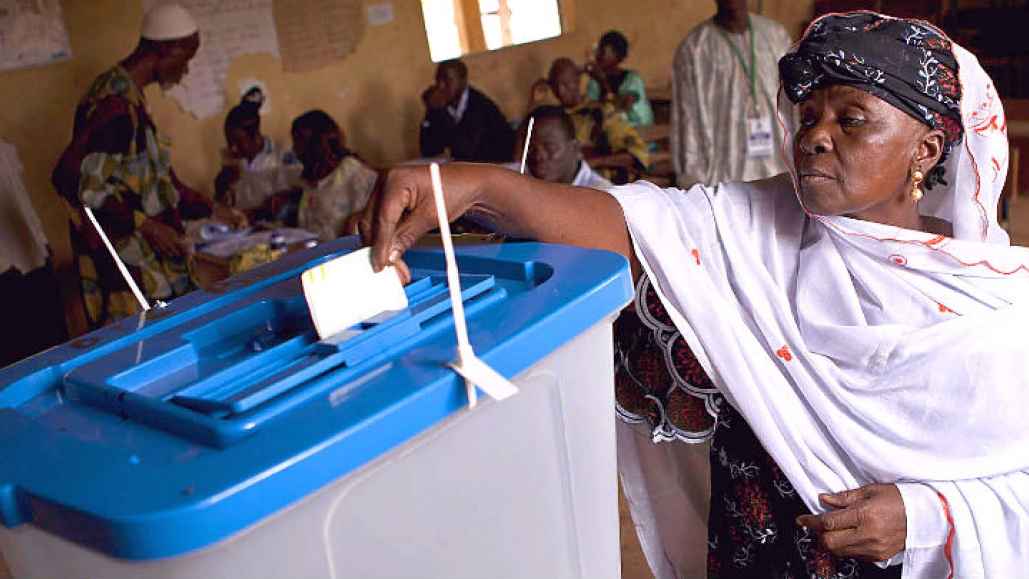
Since the years 2006, 2011 and 2018, the Democratic Republic of Congo has experienced a high point in the beginning of the democratization process, considered as a political exercise that has never really been applied since the country's accession to independence. Indeed, the population welcomed this manifest will of the leaders who accepted after various pressures from several active forces to demand the establishment of democracy in our country. The organization of democratic and transparent elections which took place in our province contributed to the pacification of the country and the installation of democratically elected institutions, among others: the President of the Republic, the central government, the national assembly, the senate, the provincial governments, and the provincial assembly. These institutions have operated in accordance with the mandate given to them and it is up to the population to judge them and evaluate their actions on the ground for the benefit of the whole community. Currently, a new electoral process must be underway to elect new leaders who will compose the new institutions that will manage our country.
However, we will not be able to take this important step without preparing the population on electoral issues and good governance. However, our population, most of whom live in peasant and illiterate circles, does not master many factors that can facilitate their task in the process of claiming their civil rights, by freely voting their nationalist, competent, credible and honest leaders of on the one hand and to be elected by their respective bases on the other. However, ignorance, underinformation, risk pushing the population to tribal hatred during the election period. The latter can also be a victim of political instrumentalization by politicians and even exposed to corruption as well as various demagogic discourses.
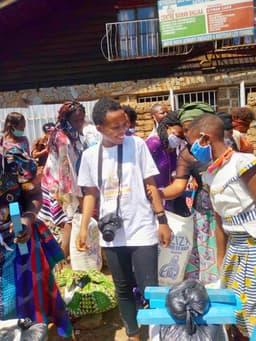
This is why the provincial coalition of Young Peace and Security (CPJPS) and Congolese Young Leaders (CYL) want to get involved in preparing the population for the electoral process that is opening up in our country by focusing its action on raising awareness among the urban population and and thus strengthen the capacities of local leaders located in all corners of the project's radius of action.
- Peace & Security
- Human Rights
- Leadership
- Moments of Hope
- Africa