
PHOTO ESSAY: Birth Is a Dream, Maternity in Africa
Sep 14, 2020
story
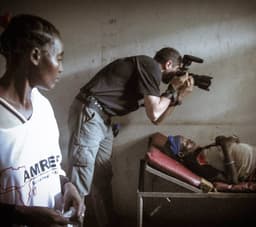

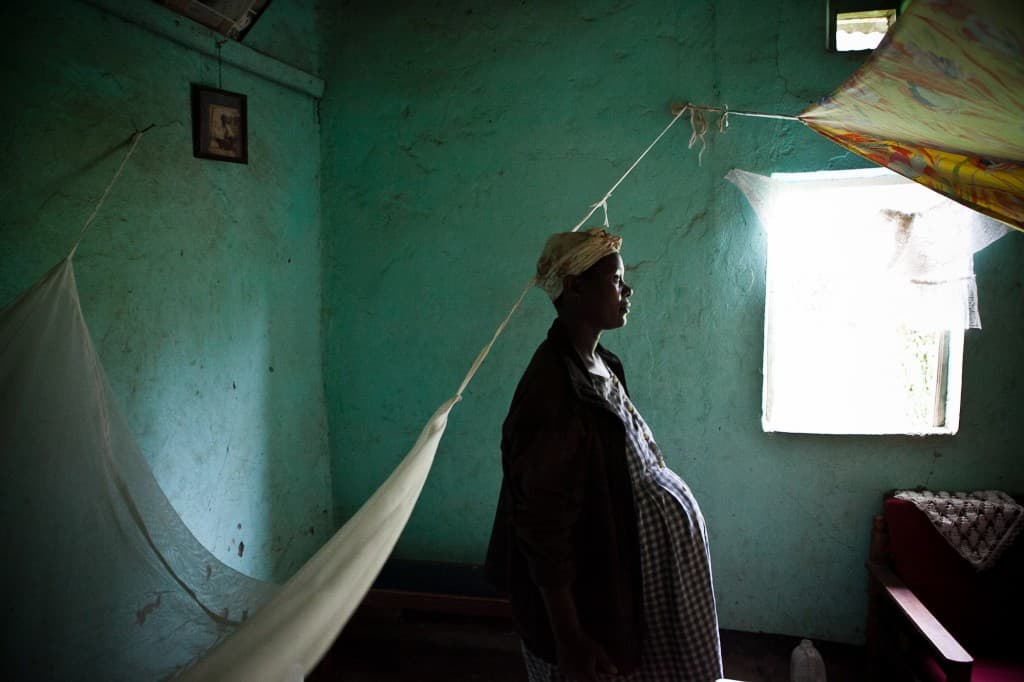


He has photographed mothers across several African countries with some of the highest maternal mortality rates in the world. By aiming his lens on the humanity of these women before, during, and after labor,Paolo Patrunohopes to inspire action on maternal health in Africa.
I started the Birth Is a Dream project in Malawi, where the words for pregnancy in the local language—'pakati' and 'matenda'—translate into 'between life and death' and 'sick'. That’s where I met English midwife Rachel MacLeod in 2011. She was working in the labor ward of the Bwaila Hospital in Lilongwe, Malawi and she opened my eyes to the maternal health crisis in Sub-Saharan Africa.
I began capturing the lives of women and mothers in Malawi, and later added to the project as I traveled to the Democratic Republic of Congo and Uganda. In each country, I visited public and private hospitals, health centers in rural areas, and shadowed traditional birth attendants at home births.
I’m a man. I’m a white man. I’m a white man with a camera. That makes my project a huge challenge, but I have received so much encouragement to go ahead, to give a voice to the African mothers through my photos. This is why I hope to continue and expand my Birth Is a Dream project.
While documenting the lives of these mothers, I saw things that shocked me, such as a midwife yelling at a woman in labor to stop crying. I also met nurses and midwives who were heroes, saving the lives of mothers and children on a daily basis, despite strained resources and crowded facilities. I saw that the conditions in which women give birth can vary widely, even within the same community. Many women give birth in facilities without adequate equipment and services, or at home without skilled providers. Some women deliver their babies without access to power or running water.
In particular, women in poor and remote communities, far from the nearest health services, are most at risk. And of these, young women and girls are in the most danger: In many communities girls still marry when very young and contraceptive advice is poor or non-existent.
The death of a mother—an all too common outcome of these conditions—is a human tragedy. Her death endangers the lives of the surviving newborn and young children. Girl children are often pulled from school and required to fill their lost mother's roles. A mother's death makes it harder for the family to obtain life's necessities and escape the crush of poverty. As I’ve traveled throughout Africa over the past ten years, I have seen how important women’s roles are, not just for families, but for entire communities.
Thankfully, a great many maternal deaths are preventable when pregnancy and childbirth are attended by skilled health professionals (nurses, midwives, or doctors). As a humanitarian photographer, I feel I have a duty to use my camera to raise awareness about the maternity crisis. This project shows the dangers of childbirth, but I also aim to capture the positive stories, the poetry of maternity. I hope to continue to expand this project to other countries in Africa. As I continue to travel and document motherhood in Africa, I am compelled by the dreams of the women I meet along the way. I am determined to make people aware of this issue and to show that a safe birth should be a reality for every mother—not just her dream.
About Paolo Patruno
Paolo Patruno is a photographer and World Pulse community member based in Italy who is focused on humanitarian issues and social-documentary. He works with NGOs, aid, and nonprofit organizations to create evocative and compelling images which promote action and change for the sake of the most vulnerable people in the world. He documents health care, education, human rights, sustainable development, and poverty. He continues to work on his personal long term project covering the maternity crisis in Africa.
- Health
- Europe