
November is Islamophobia Awareness Month!
Dec 20, 2022
story
Seeking
Visibility

.jpg&w=1920&q=75)
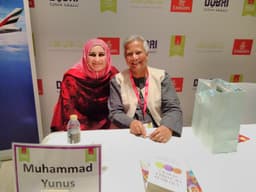
Photo Credit: Sabeena Z Ahmed
Islamophobia Awareness Month #TacklingDenial
Islamaphobia Awareness Month UK
November 2022
This years hashtags are #TACKLINGDENIAL#IAM2022#10YEARSON
https://www.veed.io/view/ed729d36-2e44-440d-85f2-5ef7c01d2495?panel=share
.jpg)
This is my humble effort to try to raise awareness for Islamophobia Awareness Month 2022.
November is Islamophobia Awareness Month!
Congratulations on the IAM's 10th anniversary for their perseverance and dedication to raise awareness about Islamophobia and eradicate hate and racism against Muslims in the UK.
However, the question remains why is there a need for this organisation?
It's a double edged sword, why is Islamophobia awareness month still necessary?
Translation in Urdu
.jpg)
اردو میں ترجمہ
یہ اسلامو فوبیا آگاہی ماہ 2022 کے لیے بیداری پیدا کرنے کی کوشش کرنے کی میری عاجزانہ کوشش ہے۔
IAM کی 10 ویں سالگرہ پر ان کی ثابت قدمی اور اسلامو فوبیا کے بارے میں بیداری پیدا کرنے اور برطانیہ میں مسلمانوں کے خلاف نفرت اور نسل پرستی کے خاتمے کے لیے مبارکباد۔
تاہم سوال یہ ہے کہ اس تنظیم کی ضرورت کیوں ہے؟
یہ ایک دو دھاری تلوار ہے، اسلامو فوبیا کے بارے میں آگاہی کے مہینے کی ضرورت اس معاشرے میں کیوں ہے جسے خیراتی، خوش آئند اور مہمان نواز سمجھا جاتا ہے؟
مجھے امید ہے کہ اردو میں مزید ویڈیوز کے ساتھ اسلامو فوبیا آگاہی ماہ 2023 یو کے تحریک کی حمایت کروں گا۔ دردناک دائیں کندھے کے ساتھ میری صحت کو چیلنج کیا گیا ہے.
ذیل میں اسلامو فوبیا آگاہی ماہ 2022 کا میرا مختصر خلاصہ ہے۔
Introduction
.png)
Islamophobia Awareness Month (IAM) is a campaign founded in 2012 by a group of Muslim organisations.
Islamophobia Awareness Month (IAM) is a campaign founded in 2012 by a group of Muslim organisations.
It aims to showcase the positive contributions of Muslims as well as raise awareness of Islamophobia in society.
It aims to showcase the positive contributions of Muslims as well as raise awareness of Islamophobia in society.
Credit and Source: Islamophobia Awareness Month (IAM)
تعارف
تعارفاسلامو فوبیا آگاہی مہینہ (IAM) ایک مہم ہے جس کی بنیاد 2012 میں مسلم تنظیموں کے ایک گروپ نے رکھی تھی۔ اس کا مقصد مسلمانوں کی
مثبت شراکت کو ظاہر کرنا اور معاشرے میں اسلامو فوبیا کے بارے میں بیداری پیدا کرنا ہے۔
کریڈٹ اور ماخذ: اسلامو فوبیا آگاہی مہینہ (IAM)
This years theme is #TacklingDenial.
This years theme is #TacklingDenial.
The theme for IAM 2022 is #tacklingdenial of Islamophobia.
The denial of Islamophobia can be seen in different forms and is found in political and social spaces across society.
Why is tackling denial important?
By denying islamophobia’s existence, we dismiss the lived experiences of many and the opportunity to bridge gaps in our society.
اس سال کا تھیم #TacklingDenial ہے۔
آئی اے ایم 2022 کا تھیم #اسلامو فوبیا سے نمٹنا ہے۔
اسلامو فوبیا کا انکار مختلف شکلوں میں دیکھا جا سکتا ہے اور یہ پورے معاشرے میں سیاسی اور سماجی جگہوں پر پایا جاتا ہے۔
انکار سے نمٹنا کیوں ضروری ہے؟
اسلاموفوبیا کے وجود سے انکار کرتے ہوئے، ہم بہت سے لوگوں کے زندہ تجربات اور اپنے معاشرے میں موجود خلا کو پر کرنے کے مواقع کو مسترد کرتے ہیں۔
Islamophobia Awareness Month (IAM) raises awareness within society of how Muslims are discriminated against in various spheres, along with providing information on the positive contributions of Muslims.
It helps break down barriers and challenge incorrect stereotypes people may hold, as well as providing an avenue for people of other backgrounds to engage with Muslims.
IAM also highlights why it is crucial for Muslims to report Islamophobic hate crimes to authorities, for accurate data to be collected and for policy changes to be enacted accordingly.
IAM also highlights why it is crucial for Muslims to report Islamophobic hate crimes to authorities, for accurate data to be collected and for policy changes to be enacted accordingly.
Credit and Source: Islamophobia Awareness Month
اسلامو فوبیا سے آگاہی کا مہینہ (IAM) معاشرے میں بیداری پیدا کرتا ہے کہ کس طرح مسلمانوں کے ساتھ مختلف شعبوں میں امتیازی سلوک کیا جاتا ہے، اس کے ساتھ ساتھ مسلمانوں کی مثبت شراکت کے بارے میں معلومات فراہم کی جاتی ہیں۔
یہ رکاوٹوں کو توڑنے اور غلط دقیانوسی تصورات کو چیلنج کرنے میں مدد کرتا ہے جو لوگ رکھ سکتے ہیں، اور ساتھ ہی ساتھ دوسرے پس منظر کے لوگوں کو مسلمانوں کے ساتھ مشغول ہونے کا موقع فراہم کرتا ہے۔
IAM اس بات پر بھی روشنی ڈالتا ہے کہ مسلمانوں کے لیے اسلامو فوبک نفرت انگیز جرائم کی اطلاع حکام کو دینا، درست ڈیٹا اکٹھا کرنے اور اس کے مطابق پالیسی میں تبدیلیاں لانے کے لیے کیوں ضروری ہے۔
My personal experiences of Islamophobia
Islamophobia is not a unique phenomenon.
Its roots were laid a long time ago.
Over the decades this ugly fear mongering beast has preyed on many including myself.
As a child I can never forget the racist taunts and jibes, I was singled out because of my brown caramel complexion, my black hair and my brown eyes.
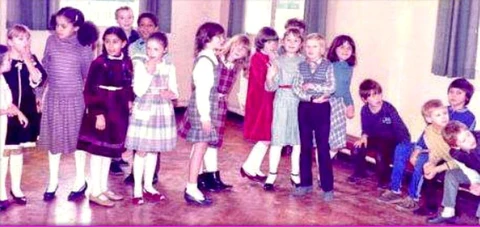
As a child I can never forget the racist taunts and jibes, I was singled out because of my brown caramel complexion, my black hair and my brown eyes.
We (my sister and I) were often spat at and called Paki!
I remember on many occasions at 8 or 9 years old finding alternative routes to the shops to avoid older white boys in my area, because they would find any excuse to verbally abuse us, throw stones at our house and call us Pakis'.
The words 'You Paki b*****d' still echo in my mind when I think of school and my teenage years.
Support mechanisms were absent and children of colour were scarce and few, our mothers took comfort by talking to one other for empathy and support.
'Go back home you Paki b*****d!'
'Go back home you Paki b*****d!'
This laughable solution was full of irony because I was born at the St Mary's Hospital Manchester and the racists said I should go back there.
I don't think the nursing team would have been too pleased to see me.
It doesn't matter how old you are, the rhyme, 'sticks and stones won't break my bones but names can never hurt me' is still relevant.
We have all been created the same, but unfortunately the colour of my skin, my muslimness, my taqwa (God consciousness) has evoked fury and hatred by many.
Over the years I've learnt that you will meet people who just don't like you.
Over the years I've learnt that you will meet people who just don't like you.
I've learnt to pick my battles and cherish time with loved ones.
If you're struggling with Islamophobia, you are not alone, there is support out there for you.
TELL MAMA supports victims of anti-Muslim hate and is a public service which also measures and monitors anti-Muslim hate and incidents.
There are other organisations such as the Islamophobia Response Unit and the Muslim Youth Helpline UK.
اسلاموفوبیا کے بارے میں میرے ذاتی تجربات
اسلامو فوبیا کوئی منفرد واقعہ نہیں ہے۔
اس کی جڑیں بہت پہلے ڈالی گئی تھیں۔
کئی دہائیوں کے دوران اس بدصورت خوف کو پھیلانے والے درندے نے مجھ سمیت بہت سے لوگوں کا شکار کیا ہے۔
بچپن میں میں نسل پرستانہ طعنوں اور طنز کو کبھی نہیں بھول سکتا، مجھے میرے بھورے کیریمل رنگت، میرے کالے بالوں اور میری بھوری آنکھوں کی وجہ سے پہچانا جاتا تھا۔
جب میں اسکول اور اپنے نوعمری کے سالوں کے بارے میں سوچتا ہوں تو 'یو پاکی بی*****ڈی' کے الفاظ اب بھی میرے ذہن میں گونجتے ہیں۔
میرے بہت سے اساتذہ اور چند اچھے دوستوں سے ناواقف میں دھونس اور بدسلوکی کا شکار تھا۔
میں نے کبھی کسی کو نہیں بتایا کیونکہ اگر آپ نے بدمعاشی کے بارے میں بتایا تو آپ صرف چیزوں کے ساتھ چلے گئے اور آپ کو کمزور اور چوہا سمجھا جاتا تھا۔
اس وقت سپورٹ میکانزم غائب تھے اور رنگین بچے بہت کم تھے اور ہماری مائیں ہمدردی اور مدد کے لیے دوسری تھیں۔
میں کئی بار لکھ سکتا ہوں کہ مجھے وہاں واپس جانے کو کہا گیا جہاں سے میں آیا ہوں۔
کمزور ہونا کوئی آپشن نہیں تھا!گھر واپس جاؤ تم پاکی بی ***** ڈی!
یہ ہنسنے والا حل ستم ظریفی سے بھرا ہوا تھا کیونکہ میں سینٹ میری ہسپتال مانچسٹر میں پیدا ہوا تھا اور نسل پرستوں
نے کہا کہ مجھے وہاں واپس جانا چاہیے۔
مجھے نہیں لگتا کہ نرسنگ ٹیم مجھے دیکھ کر بہت خوش ہوئی ہوگی۔
اس سے کوئی فرق نہیں پڑتا کہ آپ کی عمر کتنی ہے، شاعری، 'لاٹھی اور پتھر میری ہڈیاں نہیں توڑیں گے لیکن نام مجھے کبھی تکلیف نہیں دے سکتے' اب بھی متعلقہ ہے۔
ہم سب ایک جیسے بنائے گئے ہیں، لیکن بدقسمتی سے میری جلد کے رنگ، میری مسلمیت، میرا تقویٰ (خدا کے شعور) نے بہت سے لوگوں میں غصے اور نفرت کو جنم دیا ہے۔
سالوں کے دوران میں نے سیکھا ہے کہ آپ ان لوگوں سے ملیں گے جو آپ کو پسند نہیں کرتے ہیں۔
میں نے اپنی لڑائیاں چننا اور پیاروں کے ساتھ وقت گزارنا سیکھ لیا ہے۔اگر آپ اسلامو فوبیا کے ساتھ جدوجہد کر رہے ہیں،
تو آپ اکیلے نہیں ہیں، آپ کے لیے مدد موجود ہے۔TELL MAMA مسلم مخالف نفرت کے متاثرین کی حمایت کرتی ہے اور یہ
ایک عوامی خدمت ہے جو مسلم مخالف نفرت اور واقعات کی پیمائش اور نگرانی بھی کرتی ہے۔اسلامو فوبیا رسپانس یونٹ اور مسلم یوتھ ہیلپ لائن یو کے جیسی دیگر تنظیمیں بھی ہیں۔
What you can do to support?
IAM 5 minute talk
Assalaam Alaikum and welcome!
My name is Sabeena and today I would like to talk to you about Islamophobia Awareness Month and how you can tackle Islamophobia.
This is a talk designed to introduce you to what Islamophobia is, and how the IAM campaign works to tackle Islamophobia.
Firstly, what is Islamophobia?
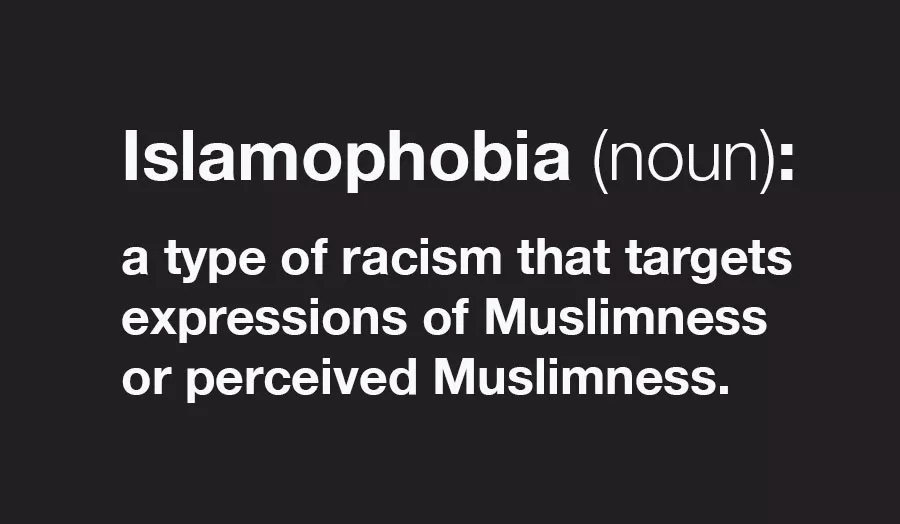
Islamophobia, as defined by the APPG (All Party Parliamentary Group) on Islamophobia is “rooted in racism, and is a type of racism that targets expressions of Muslimness or perceived Muslimness.”
Islamophobia, as defined by the APPG (All Party Parliamentary Group) on Islamophobia is “rooted in racism, and is a type of racism that targets expressions of Muslimness or perceived Muslimness.”
Islamophobia definition
Islamophobia can be roughly split into two parts and it is a bit like an iceberg, there is a smaller visible part that everyone can see but a much larger part under the water that is often invisible and more difficult to see.
The visible part is verbal or physical attacks, people getting abused in the street or your mosque vandalised.
The much bigger hidden part includes discrimination, stereotyping marginalisation and exclusion.
This is called structural Islamophobia.
Why? Because it is built into the structures of our society. It can take many forms.
For example;
* The CV that goes straight in the bin because of a Muslim sounding name
Examples of structural Islamophobia
* The woman who loses her job because she wears the hijab
* The child who gets suspended from school for speaking up for Palestinian rights
* The newspapers headlines demonising Muslims for being terrorists, ’ child sex groomers’ and being anti-British, these are just a few examples.
Hate Crime
Hate Crime has continued to increase year on year in the UK.
In the year ending March 2022, there were 155,841 hate crimes recorded by the police in England and Wales, a 26% increase compared with the previous year.
It’s important to look at the impact COVID had on Islamophobia.
We all thought Islamophobia would disappear during COVID lockdowns, but instead, it adapted. It grew online.
Amid COVID-19 lockdowns in Europe, instances of in-person Islamophobia fell in some countries.
But Islamophobia spread on social media, and instances of hate crimes online grew in many countries.
Religiously aggravated hate crimes increased by one-third compared to the same period in 2019.
According to the Anadolu Agency European Islamophobia Report of 2022, Muslims are now 4 times more likely to experience hate crimes than those who identify as Christians.
During the COVID pandemic, divisive media narratives that blamed and scapegoated Muslims for transmitting infection were widespread.
On 26 June, The Telegraph ran an article headlined, “Exclusive: Half of UK’s imported Covid19 infections are from Pakistan.”
Divisive media narratives that blamed and scapegoated Muslims for transmitting infection were widespread.
The Sun picked up the article the following day with an equally problematic headline “Half of UK imported coronavirus cases ‘originate from Pakistan’ amid calls for tougher checks on ‘high risk countries.’"
Divisive media narratives that blamed and scapegoated Muslims for transmitting infection were widespread.
These headlines were a clear case of information being misrepresented to imply that people from Pakistan were a major cause of COVID19 infection in the UK.
In fact, according to Public Health England (PHE) data, the total number of cases was only 30, accounting for 0.01% of all cases. This is a clear example of Islamophobia.
Public Health England (PHE) statistics
That is why this year’s Islamophobia Awareness Month theme is #tacklingdenial.
It is important that both Muslims and non-Muslims understand the existence of denial, and how dangerous this can be. We can see denial in many different spaces.
Islamophobia Awareness Month (IAM) is a campaign founded in 2012 by a group of Muslim organisations to raise awareness of Islamophobia.
It aims to raise awareness of Islamophobia in society, as well as showcasing the positive contributions of Muslims in the UK.
Our vision is to see an Islamophobia Awareness Month campaign widely recognised and supported every year.
We want to see a society that is understanding and inclusive, and free from all aspects of the spectrum of Islamophobia.
IAM aims to showcase the positive contributions Muslims make to society. For example, Sadiq Khan - Mayor of London
Mo Farah - Olympic athlete. He is an immigrant and was trafficked to UK as a child Nadiya Hussein - Winner of the Great British Bake Off
Mohammed Salah - Liverpool FC footballer. Research has shown the impact of Mohammed Salah reducing Islamophobia and negative attitudes towards Muslims.
These are but a few examples of some positive Muslim names in the UK.
Here are some simple ways we can support the IAM campaign today
1. Sign up to become a supporter on the IAM website.
Simple ways to support Islamophobia Awareness Month
2. Follow the IAM campaign on social media.
3. Take it further!
Take part in more training, hire the exhibition, or host your own event to raise awareness.
Take part in the conversation, be part of the solution.
Thank you for listening.
Credit and Source Islamophobia Awareness Month
Translation in Urdu
السلام علیکم اور خوش آمدید!
میرا نام سبینہ ہے اور آج میں آپ سے اسلامو فوبیا کے بارے میں آگاہی کے مہینے کے بارے میں بات کرنا چاہوں گی اور آپ اسلامو فوبیا سے کیسے نمٹ سکتی ہیں۔یہ ایک گفتگو ہے جو آپ کو متعارف کرانے کے لیے بنائی گئی ہے کہ اسلامو فوبیا کیا ہے، اور IAM مہم اسلامو فوبیا سے نمٹنے کے لیے کیسے کام کرتی ہے۔سب سے پہلے اسلام فوبیا کیا ہے؟اسلامو فوبیا، جیسا کہ APPG (آل پارٹی پارلیمانی گروپ) نے اسلامو فوبیا پر بیان کیا ہے "نسل پرستی میں جڑی ہوئی ہے، اور یہ نسل پرستی کی ایک قسم ہے جو مسلمیت یا سمجھی ہوئی مسلمیت کے اظہار کو نشانہ بناتی ہے۔"
اسلامو فوبیا کو تقریباً دو حصوں میں تقسیم کیا جا سکتا ہے اور یہ تھوڑا سا ایک آئس برگ کی طرح ہے، ایک چھوٹا دکھائی دینے والا حصہ ہے جسے ہرکوئی دیکھ سکتا ہے لیکن پانی کے نیچے ایک بہت بڑا حصہ جو اکثر پوشیدہ اور دیکھنا زیادہ مشکل ہوتا ہے۔ظاہر ہونے والا حصہ زبانی یا جسمانی حملے ہیں، گلیوں میں لوگوں کے ساتھ بدسلوکی ہو رہی ہے یا آپ کی مسجد میں توڑ پھوڑ کی گئی ہے۔بہت بڑے پوشیدہ حصے میں امتیازی سلوک، دقیانوسی تصورات کو پسماندگی اور اخراج شامل ہے۔
اسے ساختی اسلامو فوبیا کہا جاتا ہے۔کیوں؟
کیونکہ یہ ہمارے معاشرے کے ڈھانچے میں شامل ہے۔ یہ کئی شکلیں لے سکتا ہے۔مثال کے طور پر؛●
سی وی جو سیدھا بن میں جاتا ہے کیونکہ کسی مسلمان کا نام لگتا ہے۔ ●
وہ عورت جو حجاب پہننے کی وجہ سے اپنی ملازمت کھو دیتی ہے۔●
وہ بچہ جسے فلسطینیوں کے حقوق کے لیے بولنے پر اسکول سے معطل کر دیا جاتا ہے۔ ●
اخبارات کی سرخیاں مسلمانوں کو دہشت گرد ہونے، ’بچوں کی جنسی پرورش کرنے والے‘ اور برطانوی مخالف ہونے کی وجہ سے شیطانی بیان کرتی ہیں، یہ صرف چند مثالیں ہیں۔
ساختی اسلامو فوبیا ایک ایسا مسئلہ ہے جس کی جڑیں معاشرے میں گہری ہیں۔لیکن اس کا مطلب یہ نہیں ہے کہ دکھائی دینے والا حصہ، نفرت انگیز جرم، بھی اہم نہیں ہے - آئیے اس کو مزید گہرائی میں دیکھیں۔نفرت انگیز جرمبرطانیہ میں نفرت انگیز جرائم میں سال بہ سال اضافہ ہوتا جا رہا ہے۔مارچ 2022 کو ختم ہونے والے سال میں، انگلینڈ اور ویلز میں پولیس کے ذریعہ 155,841 نفرت انگیز جرائم ریکارڈ کیے گئے، جو پچھلے سال کے مقابلے میں 26 فیصد زیادہ ہے۔اسلام فوبیا پر COVID کے اثرات کو دیکھنا ضروری ہے۔ہم سب کا خیال تھا کہ COVID لاک ڈاؤن کے دوران اسلامو فوبیا ختم ہو جائے گا، لیکن اس کے بجائے، اس نے اپنایا۔ یہ آن لائن بڑھا۔یورپ میں COVID-19 لاک ڈاؤن کے درمیان، کچھ ممالک میں ذاتی طور پر اسلامو فوبیا کی مثالیں گر گئیں۔
لیکن سوشل میڈیا پر اسلامو فوبیا پھیل گیا، اور کئی ممالک میں آن لائن نفرت انگیز جرائم کے واقعات میں اضافہ ہوا۔2019 کی اسی مدت کے مقابلے میں مذہبی طور پر بڑھے ہوئے نفرت انگیز جرائم میں ایک تہائی اضافہ ہوا ہے۔انادولو ایجنسی کی یورپی اسلامو فوبیا کی 2022 کی رپورٹ کے مطابق، مسلمانوں میں اب عیسائیوں کے مقابلے میں نفرت انگیز جرائم کا سامنا کرنے کا امکان 4 گنا زیادہ ہے۔COVID وبائی مرض کے دوران، میڈیا میں تفرقہ انگیز بیانیے جو انفیکشن کی منتقلی کے لیے مسلمانوں کو مورد الزام ٹھہراتے اور قربانی کا بکرا بناتے تھے۔
26 جون کو، ٹیلی گراف نے ایک مضمون چلایا جس کی سرخی تھی، "خصوصی: برطانیہ کے درآمد شدہ کوویڈ 19 کے نصف انفیکشن پاکستان سے ہیں۔"دی سن نے اگلے دن مضمون کو یکساں طور پر پریشانی والی سرخی کے ساتھ اٹھایا "برطانیہ سے درآمد شدہ کورونا وائرس کے آدھے کیسز 'پاکستان سے پیدا ہوتے ہیں' کے درمیان 'ہائی رسک ممالک' پر سخت جانچ پڑتال کے مطالبات کے درمیان۔"یہ شہ سرخیاں ایک واضح معاملہ تھیں کہ معلومات کو غلط طریقے سے پیش کیا گیا تاکہ یہ ظاہر کیا جا سکے کہ پاکستان سے تعلق رکھنے والے لوگ برطانیہ میں COVID19 انفیکشن کی ایک بڑی وجہ ہیں۔
درحقیقت، پبلک ہیلتھ انگلینڈ (PHE) کے اعداد و شمار کے مطابق، کیسز کی کل تعداد صرف 30 تھی، جو کہ تمام کیسز کا 0.01% ہے۔ یہ اسلامو فوبیا کی واضح مثال ہے۔یہی وجہ ہے کہ اس سال کے اسلامو فوبیا آگاہی مہینے کا تھیم #tacklingdenial ہے۔یہ ضروری ہے کہ مسلمان اور غیر مسلم دونوں ہی انکار کے وجود کو سمجھیں اور یہ کتنا خطرناک ہو سکتا ہے۔ ہم بہت سے مختلف مقامات پر انکار کو دیکھ سکتے ہیں۔
اسلامو فوبیا آگاہی مہینہ (IAM) ایک مہم ہے جس کی بنیاد 2012 میں مسلم تنظیموں کے ایک گروپ نے اسلام فوبیا کے بارے میں بیداری پیدا کرنے کے لیے رکھی تھی۔اس کا مقصد معاشرے میں اسلامو فوبیا کے بارے میں بیداری پیدا کرنا ہے اور ساتھ ہی برطانیہ میں مسلمانوں کی مثبت شراکت کو ظاہر کرنا ہے۔ہمارا وژن یہ ہے کہ ہر سال اسلامو فوبیا سے متعلق آگاہی کے مہینے کی مہم کو وسیع پیمانے پر تسلیم کیا جائے اور اس کی حمایت کی جائے۔ہم ایک ایسا معاشرہ دیکھنا چاہتے ہیں جو افہام و تفہیم سے بھرپور ہو اور اسلامو فوبیا کے تمام پہلوؤں سے پاک ہو۔
IAM کا مقصد معاشرے میں مسلمانوں کی مثبت شراکت کو ظاہر کرنا ہے۔ مثال کے طور پر صادق خان - لندن کے میئرمو فرح - اولمپک ایتھلیٹ۔ وہ ایک تارک وطن ہے اور اسے بچپن میں برطانیہ سمگل کیا گیا تھا نادیہ حسین - عظیم برٹش بیک آف کی فاتحمحمد صلاح - لیورپول ایف سی فٹبالر۔ تحقیق نے محمد صلاح کے اسلامو فوبیا اور مسلمانوں کے تئیں منفی رویوں کو کم کرنے کے اثرات کو ظاہر کیا ہے۔یہ صرف برطانیہ میں کچھ مثبت مسلم ناموں کی چند مثالیں ہیں۔
یہاں کچھ آسان طریقے ہیں جن سے ہم آج IAM مہم کی حمایت کر سکتے ہیں۔1. ان کی ویب سائٹ پر معاون بننے کے لیے سائن اپ کریں۔2. سوشل میڈیا پر IAM مہم کی پیروی کریں۔3. اسے مزید لے لو!مزید تربیت میں حصہ لیں، نمائش کی خدمات حاصل کریں، یا بیداری بڑھانے کے لیے اپنے پروگرام کی میزبانی کریں۔گفتگو میں حصہ لیں، حل کا حصہ بنیں۔سننے کے لئے آپ کا شکریہ.کریڈٹ اور ماخذ اسلامو فوبیا آگاہی مہینہ
میرا بلاگ پڑھنے کے لیے آپ کا شکریہ اور مجھے امید ہے کہ آپ دنیا میں جہاں کہیں بھی ہوں اسلامو فوبیا آگاہی کے مہینے کی حمایت کریں گے۔
Sabeena
سبینہ
.jpg)
Thank you for reading my post and I hope you will support Islamophobia Awareness Month wherever you are in the world.
Sabeena
Further Reading and Links
Islamophobia Awareness Month
https://www.thelittlefairtradeshop.com/blogs/news/islamaphobia-awareness-month-2022-with-sabeena-z-ahmed
- Education
- Human Rights
- Peace & Security
- Leadership
- Our Voices Rising
- Stronger Together
- Survivor Stories
- Shout Your Vision
- Moments of Hope
- Peace Building
- Digital Ambassador Events
- Global