
NIGERIA: How I Lost an Election and Still Won
Mar 26, 2019
first-story
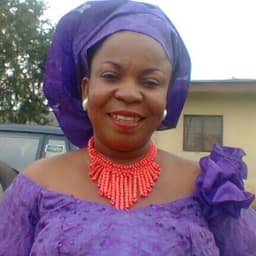


Political participation for women has been a mystery, and it must be demystified.
I come from an African community in the south of Nigeria—a community where women are seen merely as useful: We are wives, we are caregivers, we reproduce. Girls are a delight because they are diligent in domestic chores. They are married off with bounties from in-laws.

In politics, our roles are distinctly defined. We are allowed to vote, but since my homeland’s independence in 1960, no woman in my community Ugboha has ever ventured to seek elective post at any level or in any political party. Of course, we have what it takes, but we have been conditioned to accept that political office is not for us.
In 2012, I began the “Esan Women Movement” with the aim of breaking cultural barriers to women’s full political participation. I called for equal opportunity for women to vote, but also to run for office. While mobilizing, sensitizing, and motivating women around their political rights and freedoms, I knew it was important to involve men. But they laughed and mocked the idea, claiming that women cannot lead men in politics. I also approached young girls to contest as ward counselors, but they all declined for fear of their fathers, fear of their brothers, and fear of violence. They all cited the fact that “no woman has ever sought elective post before. ”
Last year, as Nigeria’s 2015 general elections drew near, I tried to motivate women to believe in themselves and their ability to participate in politics. The responses were the same: No woman believed she could do it.
And then, I had a huge realization that altered the course of my life. I realized I was one of these women. What was stopping me from contesting? Political Participation for women has been a mystery, and it must be demystified. And so, I began to consult with women’s groups and my political party on my interest in contesting for the Edo State House of Assembly. It was a tall ambition coming from a woman who had yet to cut her teeth in politics—a woman coming from the patriarchal culture of the Esan tribe. I knew it would be a battle, but I was hardly prepared for the opposition I received.
I was mocked, plotted against, threatened, called all sort of names. Women were told to avoid me, with the threat of being sent packing from their matrimonial homes. I exhausted my savings, my energy, and my good looks.
I began to borrow from my mother's rural cooperative. I did all that was required by the electoral body. I was interviewed and cleared for the primaries. I was challenged during the interview for contesting. I almost backed down, but each time I remembered that no woman in my community has ever ventured into the political space to lead. I encouraged myself each day to get to the end.
After each speech, men would rise to shake my hand and express that they wished I were a man, as I would have been their choice. In confidence, political leaders told me they knew I could represent their people but their hands were tied, as I was a woman. Women wanted a change and saw me as that change. But in Nigeria, husbands watch their wives and daughters at the polling unit and monitor their votes.
The night of the primaries, various people approached me asking me to step down or be put to shame. I received even more threats. By morning, all my followers disappeared. At the end of the primaries, of the 300 votes cast, I only got one vote. Yes, one vote—but it was the most celebrated vote of all. I became an instant reference point.
Today, I celebrate my singular vote for all it represents. As a woman from my ward Ugboha in Esan South East Local Government, Edo State, I finally broke the yoke of non-female participation in elective positions. I demystified political participation in elective politics for women. And today, I am able to motivate women and girls through my experience.
Men honor me now. They secretly say their wives should work with me. Everywhere I go, I am accorded respect—even by those who threatened me to step down. I did not make it from aspirant to candidate, but I made it for the women of my community: I won for all women. I won because women can now participate in politics in my community despite the odds.
About this story
This story was written for the World Pulse and No CeilingsPath to Participation Initiative. With this initiative, we crowdsourced stories from World Pulse's global community to helpturn theNo Ceilings: The Full Participation Reportinto a blueprint for action on the ground. Click hereto browse through the126 submissions we received from over 30 countries.

- Leadership
- First Story
- Africa