
Mothers Matter
Mar 16, 2020
story

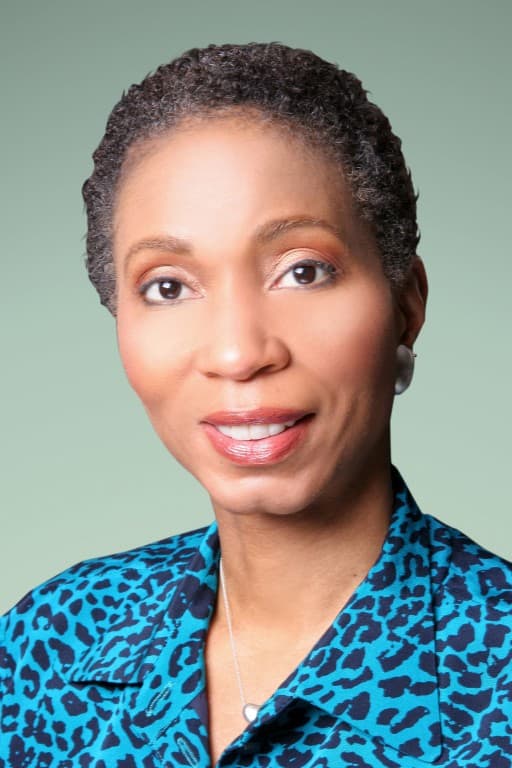

By Helene D. Gayle
Like other poor women around the world, 53-year-old Eugenia can do a lot with just the tiniest of boosts. She volunteers at a rural health post to be one of the first in line to care for pregnant women and new mothers whose needs have been historically neglected.
Eugenia is an example of a new grassroots wave that’s developing to boost maternal health around the world.
In the past, health posts like the one Eugenia bikes to every week would be left unattended, or the staff wouldn’t speak the same local Quechua language as their patients. Women would be charged for services that should have been free, or fined under made-up rules. With no one watching, maternal health services were often “anything goes,” and women and children paid the price with their lives. Now, as awareness increases, people start to understand this is a solvable problem. The vehicles for cutting the number of pregnancy-related deaths by 75% by 2015 include family planning, skilled and culturally-sensitive care during pregnancy and childbirth, emergency care for complications, and postpartum care.
I am seeing first hand that a coordinated, global effort is beginning to emerge, not with talk but with action.
For over 20 years, the world community has been talking about maternal health, yet the number of women who die each year—over 530,000 deaths—has remained stubbornly high. Ninety-nine percent of deaths occur in poor countries and most are preventable. This is a testament to how motherhood has been taken for granted, not only as a health issue, but also as a political and human rights issue.
But I’m optimistic. If you were to ask me last year what was lacking in maternal health care I would have said “political will.” But now political will has started to germinate as policymakers learn more about this often tragic issue. The UN Human Rights Council, including the US, recently passed a groundbreaking resolution that recognizes maternal death as a human rights issue. And, on the ground level, many unsung heroes, like Eugenia, are already driving change in their communities.
Meeting women in developing countries, I realize I have been witnessing a new “movement” of women leading change—one that has the potential to meet reproductive health needs and save many lives that are now needlessly lost. When we succeed—and I do believe we will succeed—women won’t have to fear that the day they give birth could also be the day they meet death, robbing another child of a mother, another family of a daughter, another community of a leader. Each mother, after all, has the power to nurture the next generation and potential to unlock development in their communities.
Women like Eugenia take small steps toward this shared goal every day. As a global community, we should do no less to help boost their efforts.
- Health
- Latin America and the Caribbean