
Menstrual Solutions Must Be Rooted in Justice, Not Just Products
May 29, 2026
story
Seeking
Action

The recent unveiling of Girls Tag; a comprehensive menstrual care and puberty kit for girls has sparked important conversations across Africa about menstrual health, dignity, and access.
The initiative deserves recognition for trying to normalize conversations around menstruation and puberty, especially between mothers and daughters. The inclusion of educational materials, hygiene items, disposal bags, and puberty guidance reflects an understanding that menstruation is more than just sanitary pads. Menstrual health is deeply connected to confidence, information, safety, and dignity.
The public backlash around the pricing of the kit exposes a deeper issue that those of us working in gender justice, public health, and community development must confront: When menstrual solutions are designed without centering economic realities, inequality widens. The debate is not simply about whether premium products should exist. The real question is: Who are menstrual health solutions truly designed for?
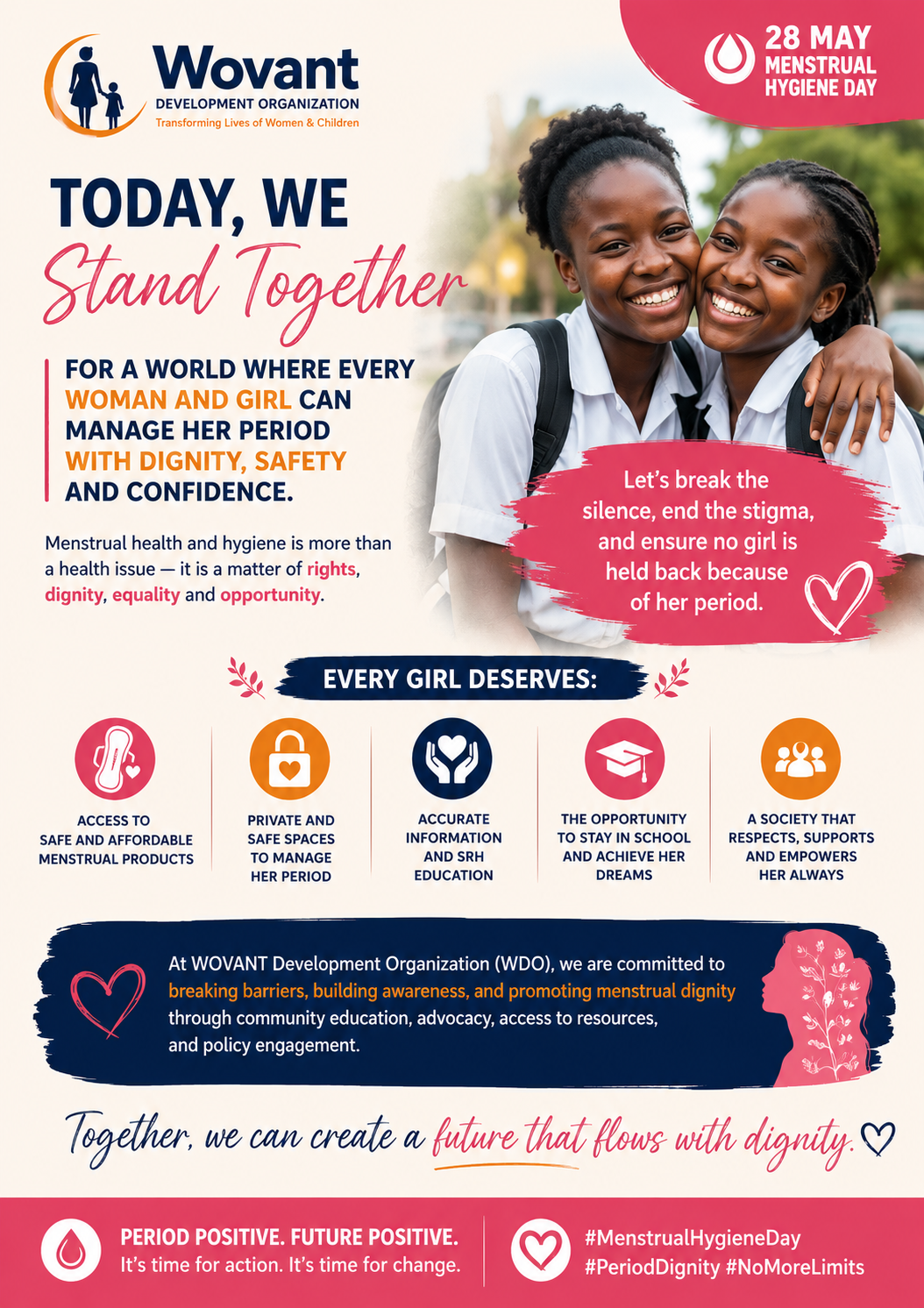
Across many African communities, millions of girls still miss school because they cannot afford basic menstrual products. Others use unsafe alternatives or face shame, isolation, harassment, and health risks because period poverty intersects with poverty itself.
In this context, menstrual dignity is not a luxury commodity available only to those with purchasing power. As organizations, brands, activists, governments, and actors continue working on menstrual health solutions, there are important factors we must keep in mind.
Accessibility Matters More Than Branding: A menstrual solution that most girls cannot afford risks becoming aspirational rather than transformative. We must prioritize affordability, accessibility, and sustainability ; especially for rural girls, low-income households, refugee communities, and girls living with disabilities.
Menstrual Health Is Bigger Than Pads. Girls also need accurate puberty education, safe sanitation facilities. clean water, privacy, disposal systems, emotional support, and freedom from stigma and bullying; Supportive families and schools. A girl with pads but no toilet, no information, or dignity is still underserved.
We Must Avoid Creating Shame Around “Basic” Options: There is increasing pressure on girls to consume branded, aesthetically packaged, “perfect” menstrual products. This can deepen class-based shame among girls who cannot afford premium solutions. Affordable local products and reusable pads should n not be treated as inferior.
Girls are Rights Holders, Not just Consumers: Menstrual dignity is not a trend or branding opportunity. It is a rights issue. Every girl deserves to manage menstruation safely and with dignity regardless of income or social status.
Community Voices Must Shape Solutions: Too many interventions are designed for girls without being designed with girls. Sustainable solutions emerge when communities and girls themselves participate in identifying and designing what they truly need. Ultimately, period poverty is not caused by menstruation itself. It is caused by inequality linked to unemployment, weak healthcare systems, inadequate sanitation, and gender discrimination.
The conversation sparked by the Girls Tag initiative matters because it pushes us to reflect on access, dignity, and inclusion. Menstrual health interventions must therefore be guided by empathy, affordability, participation, and justice. Because no girl should have to choose between dignity and survival. And no menstrual solution is truly successful if the majority of girls cannot access it.
#MenstrualHealth #PeriodPoverty #MenstrualJustice #GirlsEducation #GenderEquality #WOVANT #PublicHealth #CommunityDevelopment #EndPeriodPoverty #FeministLeadership
- Girl Power
- Economic Power
- Caring for Ourselves
- Sexual and Reproductive Rights
- Salud menstrual
- Global