
"Kawthar's Trailblazing Journey: Lessons and Inspiration for Empowering Women in Politics"
Feb 16, 2023
story
Seeking
Feedback

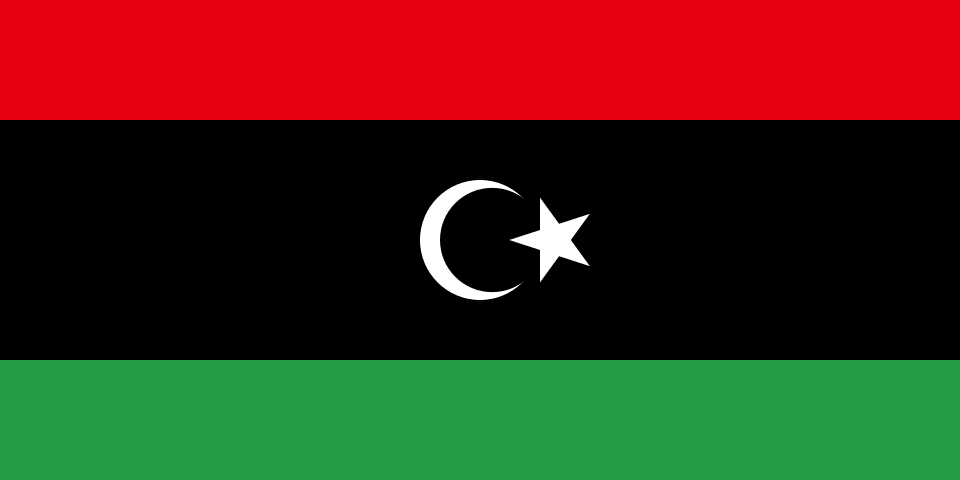
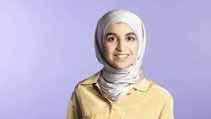
كوثر بوشليخت
"Empowering Women in Politics: Lessons and Inspiration from the Trailblazing Journey of Kawthar, an Arab Muslim Immigrant in Dutch Politics"
I. Introduction:
A. Setting the Stage: Celebrating the Success of Arab Muslim Immigrant Women in Dutch Politics
The Netherlands has long been a trailblazer in promoting women's political participation and representation, with a parliament that is hailed as one of the most diverse in the world. In recent years, this commitment to inclusivity has been exemplified by the success of female parliamentarians of Arab origin. Notably, in 2002, Khadija Arib became the first Muslim woman to be elected as a member of the Dutch Parliament, and later served as the President of the House of Representatives from 2016 to 2017. Arib's election and subsequent appointment as President marked a significant milestone for Arab women in Dutch politics.
More recently, the success of two veiled women of Arab origin, Fonda Sahla and Kauthar Bouchallikht, in the Dutch parliamentary elections of 2021 has brought renewed attention to the role of Arab women in Dutch politics. These two women are part of a growing cohort of Arab Muslim women who have broken through political barriers and are making their mark on the Dutch political scene. Their success reflects a wider shift towards greater inclusivity and diversity in the Netherlands.
The election of Arab women to the Dutch Parliament is a cause for celebration, not only for the women themselves but also for the wider Arab community. It is an inspiring example of how dedication, hard work, and a commitment to public service can break down barriers and shatter stereotypes. This achievement also highlights the importance of creating an inclusive political culture, one that recognizes and embraces the unique experiences and perspectives of individuals from diverse backgrounds.
In this article, we will examine the success of Arab women in Dutch politics, focusing on the factors that contributed to their victory and the impact it will have on Dutch politics. We will also explore the emotional significance of this achievement for the Arab community, and how it represents a step forward towards a more diverse and inclusive society.
B. Purpose of the Article: Drawing Inspiration and Lessons from the Dutch Experience for Women in Libya
The purpose of this article is to draw inspiration and lessons from the Dutch experience for women in Libya. Women in Libya have faced significant challenges in their efforts to participate in politics, particularly in the aftermath of the Arab Spring. By examining the success stories of Arab Muslim immigrant women in Dutch politics, we can identify strategies that may be useful for empowering women in Libya to participate more fully in political life.
C. Overview of the Article
This article will explore the success of female parliamentarians of Arab origin in the Dutch Parliament, with a particular focus on the recent election of Kauthar Bouchallikht. We will examine the factors that contributed to their success and the impact it will have on Dutch politics. Furthermore, we will explore the emotional significance of this achievement for the Arab community and how it represents a step forward towards a more diverse and inclusive society. The article will conclude with an analysis of the lessons learned from the Dutch experience, which may be relevant to empowering women in Libya to participate more fully in political life.
D. Essay questions
What is the current situation of women's political participation in the Netherlands, especially the situation of Dutch women of Arab origin, and what are the factors that contributed to that?
How did Arab Muslim immigrant women in the Netherlands overcome the challenges they faced in politics, and what lessons can be learned from their experiences?
What are the implications of the success of Arab Muslim immigrant women in Dutch politics for women in Libya, and what strategies can be used to enhance women's political participation in Libya?
II. Dutch Parliament and Women's Representation
A. Overview of Dutch Parliament
The Dutch Parliament is the bicameral legislative body of the Netherlands, consisting of two houses: the House of Representatives (Tweede Kamer) and the Senate (Eerste Kamer). The House of Representatives is composed of 150 members who are elected through a system of proportional representation, with elections taking place every four years. The Senate is made up of 75 members who are elected indirectly by the members of the provincial councils.
B. Women's Political Participation in the Netherlands: Progress and Challenges
Women's political participation in the Netherlands has made significant progress over the years, particularly in the last decade In 2009, the percentage of women in the Dutch Parliament reached an all-time high of 42%, putting the Netherlands among the top countries in the world for women's representation in politics.
However, despite this progress, there are still challenges to be addressed. Women are still underrepresented in leadership positions, particularly in the private sector, and there is a gender pay gap in the workforce. Additionally, women with immigrant backgrounds, particularly those from Muslim-majority countries, face unique challenges in participating in politics.
C. The Current State of Women's Representation in the Dutch Parliament
According to data from The World Bank in 2021, women constitute 39.33% of the Dutch parliament, representing a significant increase in women's representation since 1997, where the figure stood at 31.33%. The average percentage during this period was 37.07%, with a peak of 42% in 2009. Compared to the global average of 24.59% for women in parliament in 2021, the Netherlands has made impressive strides towards gender equality in political representation. This progress is a result of various policies and initiatives aimed at promoting women's participation in politics and creating a more inclusive and diverse political landscape in the Netherlands.
the recent election of two veiled Arab Muslim immigrant women, Kauthar Bouchallikht and Fonda Sahla , to the Dutch Parliament in 2021 represents a significant step forward for the representation of Muslim women in Dutch politics.
III. The Success Story of Veiled Muslim Immigrant Women in Dutch Politics
A. Meet Khadija Bouchallikht A Young and Promising Voice for the Arab-Muslim Community
Kauthar Bouchallikht is a Dutch politician and journalist of Arab origin who made history by becoming the first veiled Muslim woman to be elected to the Dutch Parliament in 2021. She is a member of the GroenLinks political party, which is known for its progressive and environmentally conscious policies. In this article, we will explore Bouchallikht's early life, academic background, political career, and policies of Arab origin.
II. Early life and academic background
Bouchallikht was born on May 16, 1994, in Amsterdam. She was an active student during her school years, and in 2011, she served as a board member for the Dutch National Union of Students (LAKS). Bouchallikht went on to pursue higher education, earning a Master's degree in Public Management from Utrecht University in 2016.
III. Political career
Bouchallikht began her career as a journalist for several media outlets, including De Correspondent, OneWorld, Het Parool, and NieuwWij, among others. In 2019, she completed the BKB Academy, a training program for young political leaders.
Bouchallikht's political activities included being a board member for the Forum of European Muslim Youth and Student Organizations (Femyso). In 2021, she made history by being elected as a member of the Dutch Parliament for the GroenLinks party, representing the district of Amsterdam.
IV. Policies of Arab origin
Bouchallikht has been a strong advocate for policies of Arab origin, particularly those related to the integration and empowerment of Arab immigrant communities in the Netherlands. In the Dutch Parliament, she has focused on issues related to gender-based violence and the right of women to inherit land. Bouchallikht has also been an active proponent of climate change action and has been involved in campaigns such as the Climate March and the Climate Strike.
In 2021, Bouchallikht co-authored the book "The Inclusion Marathon" with Zoë Papaikonomou. The book discusses issues related to diversity and equality in the workplace and was awarded the Management Book of the Year in 2022.
B. The Role of Intersectionality: How Multiple Identities Can Influence Political Participation and Success
Intersectionality refers to the idea that an individual's social identities, such as race, gender, class, and religion, intersect to create unique experiences and forms of oppression. The concept recognizes that individuals cannot be reduced to a single identity or experience, but rather experience the world through the lens of multiple identities that intersect and interact with one another.
In the case of Kawthar Bukhalecht, her intersectional identities as a woman, Muslim, and person of color have all played a role in the hate and threats she has received as a hijab-wearing member of parliament. The attacks on her online are a toxic mix of Islamophobia and sexism, reflecting the intersection of both her Muslim and female identities.
Intersectionality also affects political participation and success. Individuals with intersecting identities may face more barriers to participation, such as discrimination and systemic oppression, which can lead to a lack of representation in political institutions. This lack of representation can, in turn, reinforce the marginalization of certain groups.
Moreover, when individuals with intersecting identities do enter political spaces, they may face additional barriers to success. For example, they may be subjected to stereotypes and prejudices based on their identities, which can limit their ability to effectively advocate for their communities and pass policies that benefit them.
At the same time, intersectionality can also be a source of strength and resilience. Arab Muslim immigrant women in Dutch politics bring a unique perspective to the political arena and can use their experiences to advocate for policies that promote diversity, inclusion, and equity. Their intersectional identities also provide them with a platform to connect with diverse communities and build bridges across different groups.
In summary, intersectionality is an important factor to consider when examining the experiences of Arab Muslim immigrant women in Dutch politics. It can both create challenges and provide opportunities for these women, and it is important to recognize and address the multiple barriers they may face in order to promote a more diverse and inclusive political system.
IV. . Learning from the Dutch Experience: Strategies and Best Practices for Women Running for Elections in Libya
The experience of Arab Muslim immigrant women in Dutch politics, particularly that of Kauthar Bouchallikht, offers some valuable lessons and strategies that can be applied to women's political participation in Libya.
The Netherlands is known for its gender equality policies and has made significant progress in increasing the representation of women in politics.
The Netherlands has a relatively high level of women's representation in politics, with women making up 39% of the members of the Dutch parliament. Some strategies and best practices that have been effective in promoting women's participation in Dutch politics include:
Implementing gender quotas: The Dutch government introduced a gender quota in 1984, requiring political parties to ensure that at least 40% of their candidates for public office were women. This quota has helped to increase the number of women in politics in the Netherlands.
Providing training and support: Women who are interested in running for office in the Netherlands can access training and support from a number of organizations, including the Women's Council and the Netherlands Institute for Multiparty Democracy. These organizations provide training on campaigning, public speaking, and other skills that are important for political candidates.
Encouraging mentorship: Many women in Dutch politics have benefited from mentorship programs, where they receive guidance and support from more experienced politicians. These programs can help women to build the skills and confidence needed to succeed in politics.
Promoting work-life balance: The Dutch government has implemented policies to support work-life balance, such as parental leave and flexible working hours. These policies can help to support women who want to combine their political careers with family responsibilities.
Addressing sexism and discrimination: The Dutch government has taken steps to address sexism and discrimination in politics, including introducing a code of conduct for politicians. This code sets out expectations for respectful and professional behavior, and includes measures to prevent and address harassment and discrimination.
These are some strategies and best practices that have been effective in promoting women's participation in Dutch politics. While the specific context of Libya may require different approaches, these experiences may provide some insights and inspiration for women in Libya who are interested in running for office
b. Empowering Women in Libya: Building on the Success of Arab Muslim Immigrant Women in Dutch Politics
B. Looking Ahead: Future Prospects and Possibilities for Women's Political Participation in Libya
Here are some of the prospects:
Continued International Support: International organizations and donor countries can continue to provide support to women's political participation in Libya through financial assistance and technical expertise. This can help build the capacity of women politicians and political parties to better engage with voters, mobilize support, and gain political influence.
Constitutional Reform: A constitutional reform process that guarantees women's political representation and participation can be a critical step towards ensuring women's meaningful participation in the political process. A constitutional framework that guarantees women's political rights and representation will ensure that women have a strong voice in the country's political decision-making.
Women's Caucus: Women parliamentarians can form a women's caucus that can advocate for women's political rights and representation. A women's caucus can also help promote a gender-responsive approach to policy-making and ensure that the voices and concerns of women are heard and addressed.
Civil Society Organizations: Civil society organizations can play a significant role in promoting women's political participation. They can raise awareness about women's rights and empower women to engage in the political process. Civil society organizations can also monitor the government's efforts to promote women's political participation and hold them accountable for their actions.
Education and Training: Education and training programs that build the capacity of women politicians and political parties can also help to improve women's political participation. Such programs can equip women with the necessary skills and knowledge to participate in politics effectively.
Overall, while there are still challenges and barriers to women's political participation in Libya, there are also many possibilities and opportunities for women to make their voices heard and participate meaningfully in the country's political process.
C. Final Thoughts and Recommendations
In conclusion, increasing women's political participation in Libya is critical for the country's social, economic, and political development. While progress has been made in recent years, much work remains to be done to achieve gender parity in political representation.
To promote women's political participation in Libya, several strategies can be employed. These include:
Encouraging women's civic engagement and participation in local and community organizations, as these can serve as a stepping stone for broader political involvement.
Providing education and training to women to build their skills and knowledge in areas such as public speaking, fundraising, and campaign management.
Developing policies and programs that promote women's access to resources, including funding and networks, that are critical to success in politics.
Promoting the visibility and representation of women in politics by advocating for gender quotas, increasing media coverage of women politicians, and highlighting the contributions of women leaders.
Engaging men as allies in the fight for gender equality, recognizing that their support is essential to creating a more inclusive political system.
Finally, it is crucial to recognize that increasing women's political participation is not just a matter of fairness and justice, but also a strategic imperative for achieving sustainable development and peace. Women's inclusion in politics can help to ensure that policy decisions are more reflective of the needs and aspirations of the entire population, and can contribute to building a more stable and prosperous society for all Libyans.
Conclusion
In conclusion, women's political participation in Libya has been historically limited by social and cultural barriers, as well as by political instability and conflict. However, there are also examples of inspiring women who have overcome these obstacles to make significant contributions to their communities and the country as a whole.
Kawthar's experience is one such example, demonstrating the potential for women to be effective political leaders and agents of change. By building on the successes of other countries, such as the Netherlands, and learning from the experiences of women who have successfully navigated the challenges of political participation, Libyan women can continue to make progress in securing equal representation and rights.
To achieve this, it is essential to address the cultural and social norms that limit women's participation, as well as to provide support and resources to help women overcome the practical challenges of running for office. By empowering women to take an active role in politics, Libya can harness the full potential of its population and move towards a more inclusive and democratic future.
References:
1. Al-Taher, S. (2017). Women's Political Participation in Post-Revolution Libya: Challenges and Opportunities. Mediterranean Journal of Social Sciences, 8(5), 87-94.
2. Anderson, L. J. (2016). Women’s Political Participation in Libya: The Impact of Gender Quotas. Journal of North African Studies, 21(3), 453-467
3. El-Mahdawi, M. (2019). Libyan Women's Perceptions and Realities in Politics and Elections. Journal of International Women's Studies, 20(4), 125-140
4. Fadil, N., & Omeish, I. (2015). Empowering Women in Libya. Journal of International Women's Studies, 16(4), 87-101
5. Mehrez, S. (2015). Libyan Women and Political Participation. Women's Studies International Forum, 51, 1-9.
6. Nagi, A. (2018). Women's Political Participation in Post-Revolution Libya. The Journal of North African Studies, 23(2), 193-209.
7. Rezgui, S. (2016). Women and Politics in Libya: Exploring the Possibilities. Journal of North African Studies, 21(5), 786-796.
8. Salih, R. (2018). Libyan Women and Political Participation: An Overview. Journal of International Women's Studies, 19(1), 15-29.
9. Titi, S. (2017). Women's Participation in Politics in Libya. Journal of International Women's Studies, 18(1), 125-139.
10. "Vrouwen in de Tweede Kamer" (2022), available at: https://www.tweedekamer.nl/kamerleden-en-commissies/vrouwen-in-de-tweede-kamer
11. "Bijna kwart Kamerleden is vrouw" (2021), NOS, available at: https://nos.nl/artikel/2392949-bijna-kwart-kamerleden-is-vrouw.html
12. "Women in Politics" (2021), Inter-Parliamentary Union, available at: https://www.ipu.org/women-in-politics
13. "Bijna kwart gemeenteraadsleden is vrouw" (2021), NOS, available at: https://nos.nl/artikel/2362594-bijna-kwart-gemeenteraadsleden-is-vrouw.html
14. "Vrouwen in het Europees Parlement" (2022), available at: https://www.europarl.europa.eu/netherlands/nl/over-het-europees-parlement/vrouwen-in-het-europees-parlement
16. "Gender equality in the Netherlands" (2021), Government of the Netherlands, available at: https://www.government.nl/topics/gender-equality/gender-equality-in-the-netherlands
17. "The Netherlands: country gender profile" (2019), United Nations Women, available at: https://eca.unwomen.org/en/digital-library/publications/2019/07/the-netherlands-country-gender-profile
18. "Dutch women are breaking political glass ceilings" (2021), DW, available at: https://www.dw.com/en/dutch-women-are-breaking-political-glass-ceilings/a-56230731
19. "Dutch elections: Women make history in Amsterdam" (2018), BBC News, available at: https://www.bbc.com/news/world-europe-43441236
- Girl Power
- Human Rights
- Shout Your Vision
- Moments of Hope
- Global