
JAMAICA: The Light of Our Royal Ancestors Shines in Me
May 1, 2021
first-story
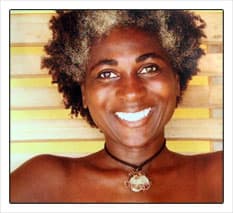

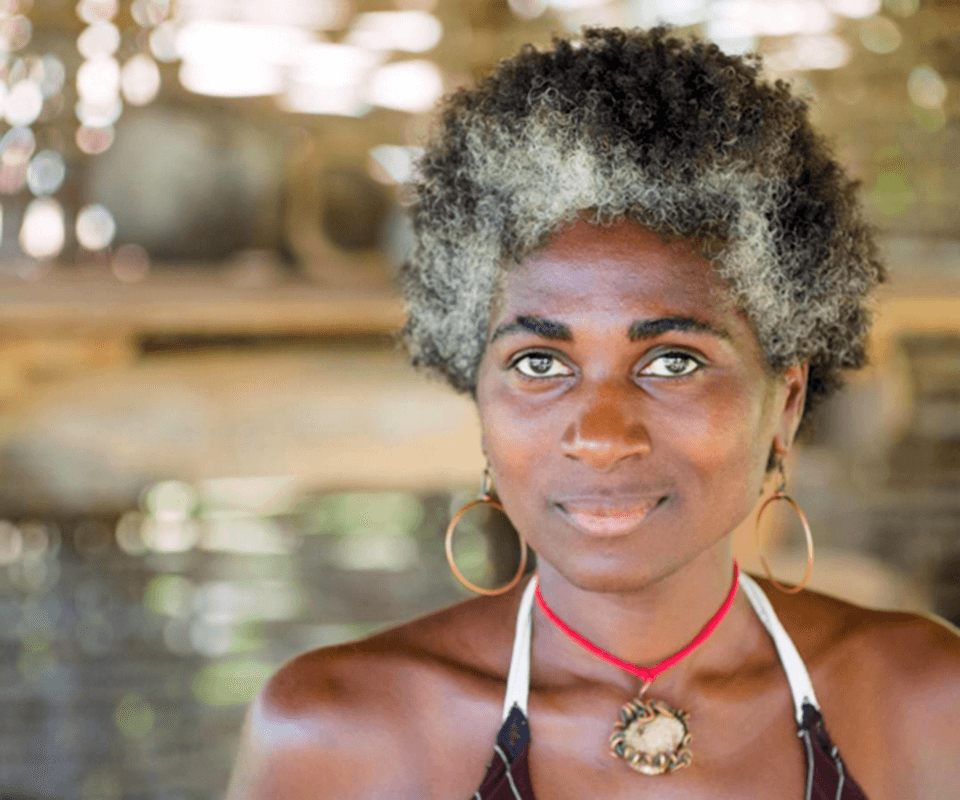
Photo © Michelle Tree
Guided by the stories of courageous African heroines, Sharon Martini celebrates and reclaims her identity.
True progress and development cannot happen when we are stalked by the shame of who we are.
One day, I was sitting quietly in my mother’s London office when her colleague commented that I looked like an African princess. With my unaffected teenage ears what I heard was, “You are beautiful, magical, and special. ” For were not princesses always beautiful, magical, and special?
To be referred to as a princess made me go “Wow! ” At That time the “African” attribute was superfluous to me—a non-issue—but “princess” meant everything.
My mother, however, quickly retorted, “She is not African. She is European! ” In A moment, briefly empowered teenage me was knocked unceremoniously off my “high horse”. Shamed, confused, and smarting, my accolade had been snatched away, and I was dethroned, deflated, and back in my place.
I then understood that to be African was not such a good thing. But could I still be a princess? I Wondered. Could I still be royalty and divinely regal?
At that time, I was naïve. I reasoned, “Well, I was born in Europe. ”
I did not recognize it then, but this man’s compliment had exposed an invisible wound existing in both my mother and myself. I would learn from experience that this wound exists in a great number of women of African descent and is proving resistant to cure. But then, one cannot heal what one does not acknowledge is broken.
True progress and development, economic or otherwise, for black women living in diaspora cannot happen when we are stalked by the shame of who we are. I believe that much of our diasporic dysfunction is fueled by a disconnect from our ancient African queens—our warriors, female leaders, heroines. Our goddesses. It is this disconnect that keeps us at a standstill socially and culturally as we desperately attempt to be anybody but the mighty African woman.
We continue to ask the question, “Where did it come from, this disdain for our blackness, our Africanness? ” But We are well aware of the answer(s): colonialism, imperialism, patriarchy, conquest, control, miseducation, indoctrination, assimilation, immigration…the list goes on and on. In the end, it doesn’t matter where it came from; that is not our problem. We are asking the wrong question.
Our problem is in the now. The question we must ask is: How do we surmount the destruction of what was and rebuild our self; our soul; our black, African woman?
We can do this by reclaiming her African story—herstory. We must find, befriend, and proudly reintegrate the characteristics of our queens, goddesses, and warriors—their courage, sacredness, rituals, and glory—into ourselves.
These stories must be told. We must tell them first to ourselves, and then to our sisters, our mothers, our friends, and our brothers. They are our stories.
Imagine had I known of my royal African inheritance and been privy to the stories of Queen Nanny of the Jamaican Maroons, a brilliant military strategist, spiritual healer, and Jamaica’s only National Heroine; Nana Yaa Asantewa of the Ashanti of Ghana, who held the British at bay in 1900 when they came to claim the Golden Stool; Queen Nzinga, Taitu, Hatshepsut; The Candaces; Makeda; Sarraounia, the Panther Queen; Queen Amina of Zaria, the fearless rider; Beatrice Kimpa Vita, the Joan of Arc of Kongo. I could go on.
If, in that moment when I lit up after my mom’s colleague compared me to an African princess, I hadknown of these warrior women—these beautiful, special queens who came before me—i would not have been shamed into feeling I had accepted something to which I was not entitled.
Mark my words, I would have sat straight in my saddle with head held high, dug in my heels, raised my sword in defiance, and galloped off to my queendom.
Maybe if my mother (and so many of our mothers) was familiar with our African herstory, the might and power of our black queens, and the mythology of our goddesses—goddesses who look like us, with hair like us, and skin like us—she would not have been so quick to recoil in disdain when her colleague, a European, paid me one of the highest compliments. Maybe she too would have been able to see what he saw—the light of our myriad royal ancestors shining in me—and she would have been honored and proud.
Today I know I am a beautiful, black, African queen, and I am proud to share our herstory with all the beautiful, black, African princesses I can.
I am calling all you black African queens, angels, goddesses, and warrior women to saddle up your high horses, pick up your crowns, your shields, and your spears, raise your voices as you ride out into your queendoms, and join me in sharing our herstory.
- Leadership
- First Story
- Latin America and the Caribbean