
Interview on Mental Justice & Intersectionalities
Sep 2, 2022
story
Seeking
Feedback


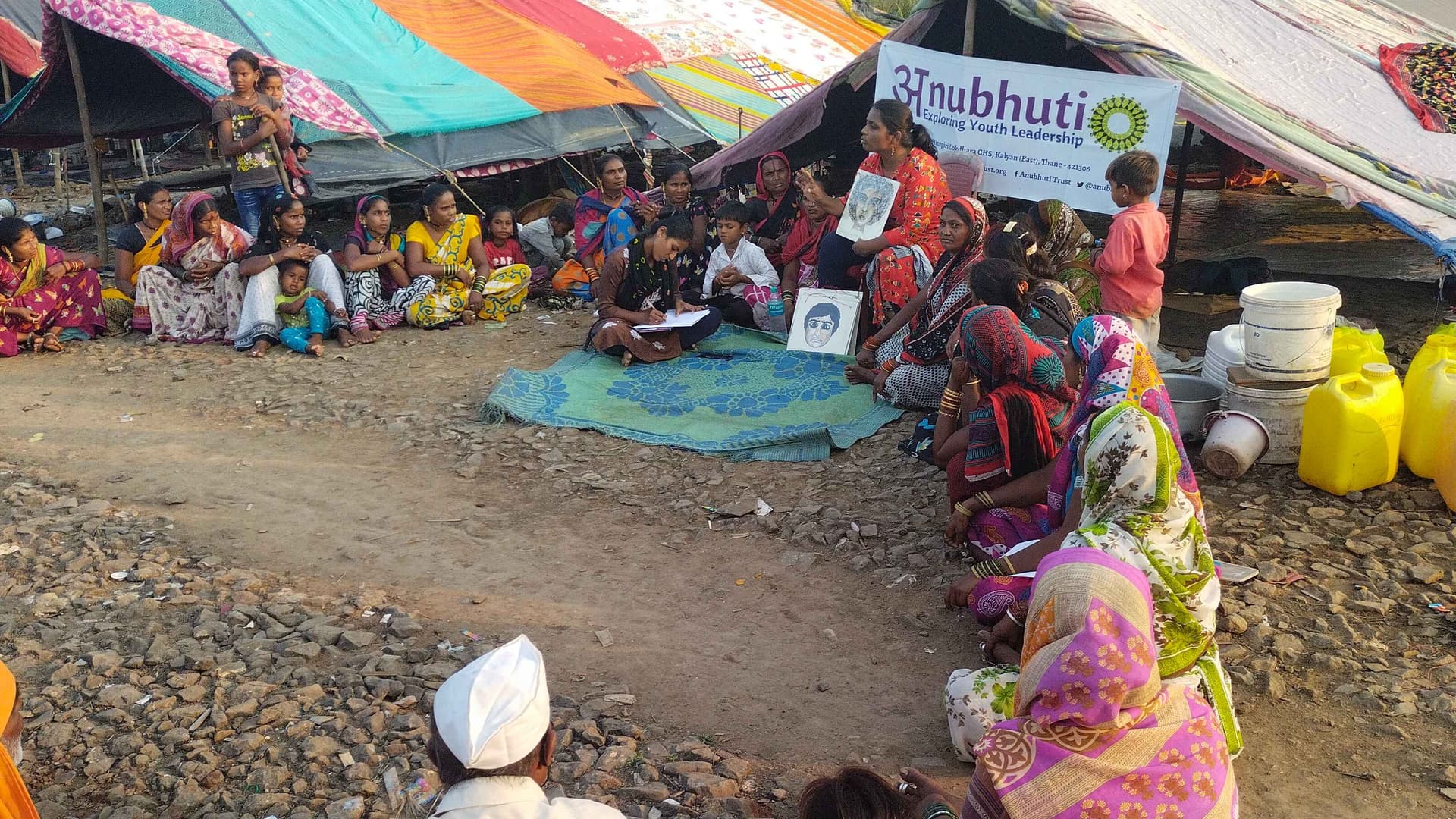
"The Bahujan derive inspiration when they hear of their own leaders, movements and icons. They gain unmatched confidence when they realise that it has been their ancestors who have created and nurtured progressive ideologies since ancient times.. It is in these histories where they learn best practices, and also critique any practices that led to failures in those times. They come to know of the far-reaching vision, of work that was sustained over thousands of years, of the diverse leadership, organising practices that gave birth to many fundamentals of democracy, of mental and emotional support to activists in the movement, of democratic communication and many other practices. This gives them the strength to combat the offensive and inferior view of themselves that they have been made to bear since childhood. Thus, it is our priority to create and bring into constant discussion narratives of community agency, progressiveness, and richness, instead of narratives seeing them only as passive and vulnerable, in need of help.This involves a lot of fact finding, history study, documentation, community led data advocacy, creation of content and publications – because there is not much literature in the first place of these histories."
Excerpt from an interview to Talking About Reproductive and Sexual Health Issues (TARSHI), based on my lived experiences, touches upon Mental Justice of NT-DNT, minority, LGBTQIA and other vulnerable groups, and few best practices for nurturing Bahujan activists:
Please read: https://www.tarshi.net/inplainspeak/interview-deepa-pawar/
- Human Rights
- Gender-based Violence
- Disability Justice
- Health
- Global