
In Egypt the People Are Taking Control
Nov 12, 2014
first-story
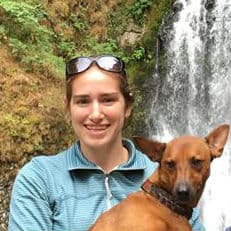


Noha Atef, a 26-year-old Egyptian activist currently studying in the UK, maintains the human rights watchdog website Torture in Egypt. Since protests erupted in her country, she has become a one-woman offshore communications hub—circumventing communication barriers imposed by the Egyptian government, connecting activists on the ground, and using social media tools to take their message to the world. On January 31, nearly a week into country-wide street protests, Noha Atef spoke with World Pulse to answer a few of our burning questions.
You've been talking with protesters on the ground. What's the feeling in Tahrir Square right now?
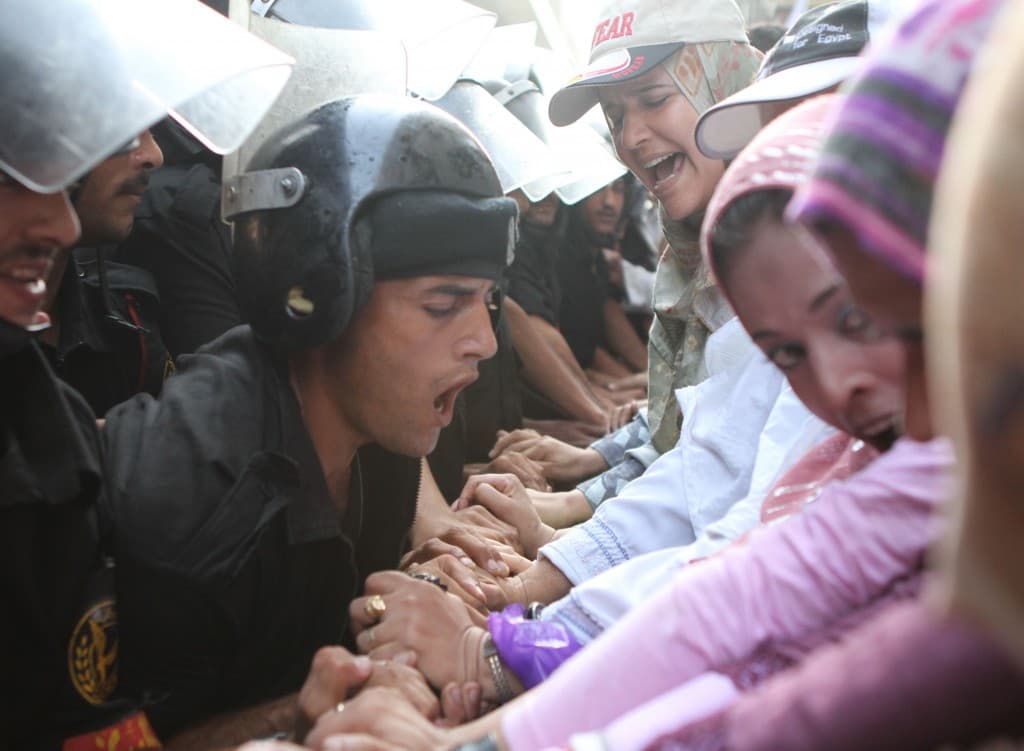
Before, Egypt was a police state. Now the feeling is, this is our land. This is our country and we don’t fear anybody. We aren’t hiding from the police. I heard one activist say, \"We feel more safe than ever before.”
Some mainstream media coverage has been calling this ‘chaos in Egypt’, ‘unrest in Egypt’. I’m sorry, this is nonsense. The people are in control. They are happy. They feel safe. They are showing love for each other. What is happening is amazing.
The protesters didn’t just challenge state security, they challenged the whole regime. They have obligated the president to do something he had never done before. He had never changed the cabinet, and he just did this. It’s making people believe in themselves.
I’ve been watching videos from the protests and the picture is very positive. I’ve watched the people organizing themselves voluntarily. After the police used water against the people during the protests, people were sweeping away the water and collecting garbage. Doctors and nurses were volunteering to help wounded protesters. There were people bringing food to the protesters in Tahrir Square.
CNN and other media outlets keep putting emphasis on the looters. What they haven’t talked about is how people have been coming together to capture and stop these looters. Or how many of the looters have actually turned out to be police officers. The streets are guarded by the people themselves now. You don’t just have your home for safety, the whole street is your home. People are smiling and they are feeling safe.
With Internet and cell phone services shut down, have you been able to stay in contact with Egyptians on the ground?
My friends and I who are abroad call landlines in Egypt—which are still working—to get news. Activists in Egypt are connecting to the Internet through dial-up connections to upload news. A friend of mine is now blogging pictures from Tahrir square from a very small tent that has been turned into a media corner. So there are people on the ground in the heart of the event who are commenting, who are documenting what is going on. They are taking pictures of everything. It doesn’t matter whether they manage to upload it now or they upload it later.
So the communications crackdown isn’t slowing down the protests?
No! This is something very stupid the government did. They thought, “The world knows about the protests because of the Internet. What if we shut down the Internet?”
That decision itself has raised the profile of these protests. To have a country like Egypt —with the largest number of Internet users on the African continent—to have the whole country shut off the Internet completely, to shut off mobile networks, this is newsworthy, right? Even if you don’t know that there are protesters, you know that Egypt shut off the Internet. This turns heads to Egypt.
And I don’t think this hinders people on the ground from going and protesting. There have been many revolutions in the world. There have been many revolutions in Egyptian history. And they happened before the Internet was even invented.
Who is participating in the protests?
This is not a Tahrir square movement. It’s all over the country. The journalists are in the capital because it’s the heart of the event. But if they go to Sinai, they will find protesters—and it’s as massive as in Cairo. If they go to Alexandria, anywhere in Egypt, they will find protesters. And it’s not only young people protesting. I have been watching online videos of men and women protesting; Older women in their 40s, 50s, and even older. Older men too. I saw a photo of a veteran from the ’73 war holding up his military certificate in one hand and a sign that says “go out Mubarak” in the other hand. There are even children at the protests. People are feeling safe and they are bringing their children with them.
Your work documenting human rights abuses has made you an expert on police brutality in Egypt. Do you think the human rights situation will change?
When you meet a police officer in Egypt, he can either ask for a bribe and extort money from you, or he can accuse you of anything he likes. No one will check up on what he says. He can open his drawer, get a piece of paper, write an arrest order for you and you will disappear. Forever. Once you have this arrest order you may not ever get out of prison. We have prisoners like this who have been in jail for over 20 years.
I have known, since I started my blog Torture in Egypt, that the police in Egypt are very weak. If they are using torture on people for no reason, they must be too weak to do their job properly. They are weak and they are cowards. If you have peaceful protesters—and the protesters are chanting “peaceful, peaceful, we are peaceful”—and you use live ammunition against them, it means that you are weak. And after just two days of protesting, the police disappeared. We don’t see them on the street.
I feel that change is coming. This is a new page to be opened. This new life for Egypt will not have state security. We will not fear police anymore. I am hoping for a day when we will trust the police, when we will look to them and regard them as our safeguards—not our enemies.
What do you predict for the future?
We are witnessing a historical moment. After this, people will be more proud of their nationality. They will care more about themselves, because they realize that we are powerful. We did something. They will have higher self-esteem and they will care about democracy more than ever before. Today I watched a video of a young protester who said something moving and very accurate, “These six days will change history. Over the coming 50 years of Egyptian life, whoever will rule Egypt, he will remember that if his decision is not in the good of the people, the people will do what they have done on January 25, 2011.”
Some problems cannot be solved overnight of course. It will take time. Building highways will take time. Improving our currency will take time. But at least now we will have the will to solve these problems.
It is the demand of the people that Mubarak leaves. I don't know who will take his place. Who knows? maybe we will decide to change the structure of our government. Under the current system in Egypt, the president is the one who controls everything. The president appoints the government and we don’t vote for ministers. Maybe we will have a system like here in the UK where the parliament governs and has the power.
And what are your dreams?
More than anything, I want to see people smiling again. We have a very high percentage of depression in Egypt. And—this may sound funny—but I want Egyptians to have a weekend. Unlike Europe, or the United States, or anywhere in the world, we don't have a weekend here. In Egypt, we work all day and night seven days a week. If we ever have a half day off we spend it sleeping. You often have three jobs at the same time. You have your main job, then you go home and work from home. And then at night you go to your third job. Most Egyptians are doing this. They are doing all this and they still cannot meet their needs. My vision is to see people living in a humane way. They return home from work and spend the night with their children. They have a weekend, and they have time to see the beauty of their country.
Is there anything else you would like to add?
If you are learning about what is going in Egypt, use social media to spread information to your peers. Show solidarity with the Egyptians. If your government is taking an unacceptable position to the Egyptian cause, now is the time to show your support.
Update 2/2/11: Two days after this interview, pro-government groups unleashed violence against peacefully assembled protesters in Tahrir Square. This is what Noha Atef had to say, \"Today was brutal. A doctor friend of mine who was helping to care for wounded protesters called this a massacre. Still I think the people feel strong. If I am a protester, of course for a moment I will feel very unsafe. I am empty handed. I don't have a weapon and the attackers have knives. And yet, today the protesters again managed to control the square. They were able to preserve the Egyptian museum. The regime is attempting to create chaos but the protesters are standing strong.\"
- Human Rights
- First Story
- Northern America