
GUATEMALA: How We Ousted Our President
Apr 30, 2019
story
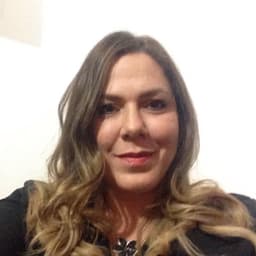
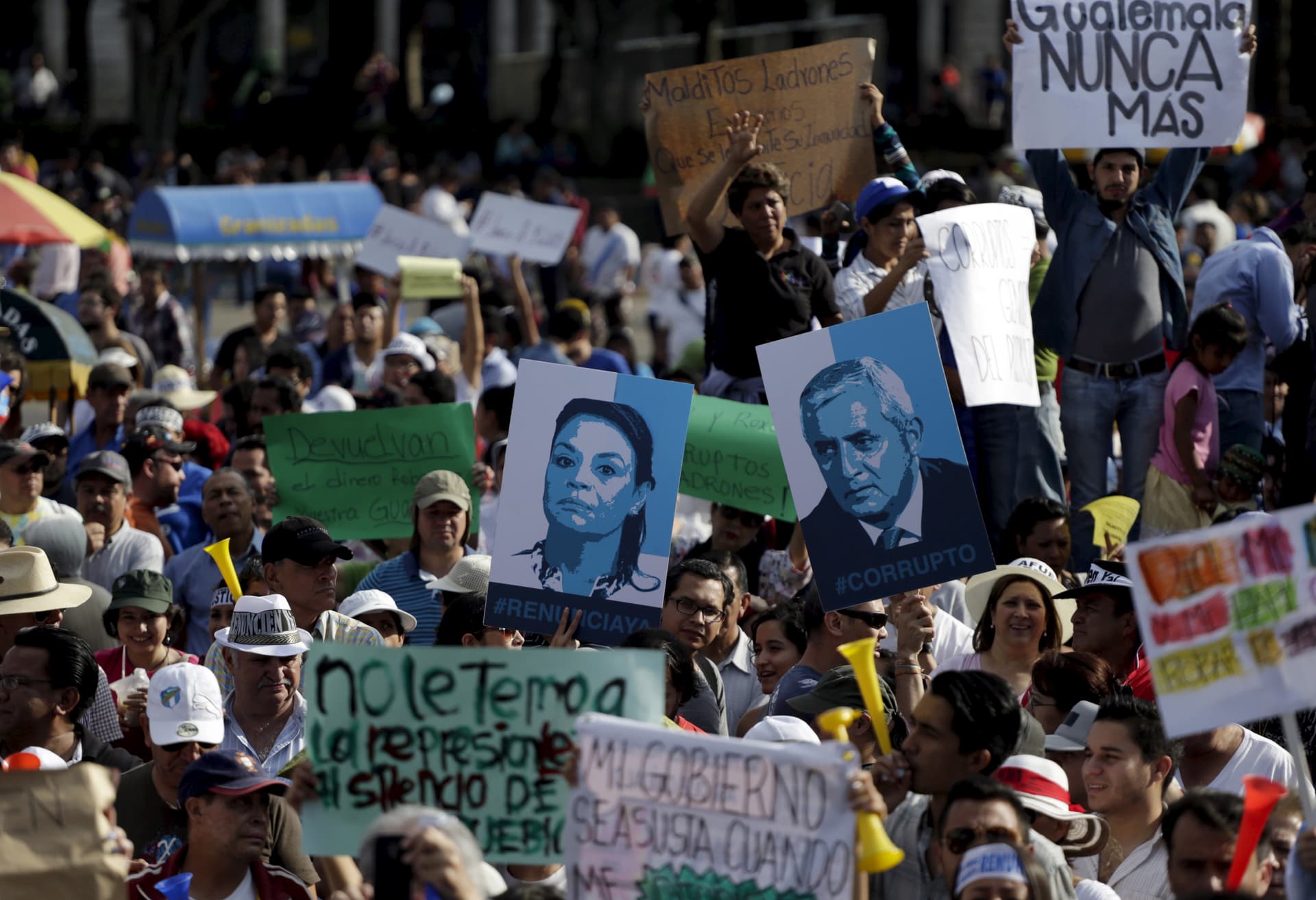
Photo © Jorge Lopez/Reuters
Mercedes Ordonez Jop was part of the movement that drove out a corrupt president and restored Guatemalans' love for their country.
enough is enough! No More corruption. Resign now, Mr. President!
The general strike of 27 August 2015 was historic for the people of Guatemala. That day we awoke from years of silence and stood up united against repression. The nation-wide strike was the largest and most peaceful protest in the recent memory of our country, and it was convened primarily through social networks.
Together as a nation we decided that we had had enough of our government’s corruption and abuse. We took the future of our country in our own hands, and raised our voices to demand that the president, Otto Pérez Molina, step down. Today he is imprisoned and expecting a trial, so he can pay for all his crimes in jail.
My Path to #27A
I come from an upper-middle class family in Guatemala City. Growing up I had a comfortable life, thanks to the hard and tireless work of my mother. With great effort, she enrolled me in one of the best all-girls schools in the country. It was there, and in the bosom of a family of intelligent and powerful women, that my desire to serve others using my internal strength was first born.
I graduated high school in 1996, the year the peace agreements to end a 36-year civil war were signed in Guatemala. I remember our class thesis was titled\"The Culture of Silence: Extensive research on the cultural aftermath of 36 years of internal war. ” We found that our people had been suffocated by fear, suffering, and repression; we were tired of enduring the abuse of power; the soul of the nation had deep wounds; and the pain was so great that we wanted only to forget.
Guatemalans had learned to be silent. To avoid the pain of the past, they did not look back. As a result, I saw a lack of historical and institutional memory, selfishness, and anti-patriotism.
After I graduated, I married and left Guatemala for a time; however, I longed to return to my beautiful country. When I came back in 2012, 16 years after the peace agreements, I still found a society asleep and indifferent. With their silence, the society had accepted mediocre governments, believing “it is better to know evilthan to wait for the uncertain possibility of good. ” I did not know what to do with this silence.
Guatemala is a democratic republic with popular elections every four years. During electoral years, friends and colleagues would complain about the candidates: he is anarco; this one is a thief; the other one a communist, a comedian, or a puppet, etc. I heard people say, “Let’s vote for the least bad candidate, ” as though this was the only option.
It seemed there was no place for honest and hardworking people, much less serious minded, thinking women, in Guatemalan politics. I felt completely outside the political life of my country. It was like alien territory to me.
In 2015, however, everything changed. This was the year that my love for Guatemala was re-awakened, and this love woke up not only in me but also in millions of Guatemalans.
A Turning Point
That year the situation in Guatemala was dire—the economy was unstable, the poverty rate had risen to 59%, healthcare and education systems were struggling, and roads and services were deteriorating, among many other issues.
The discontent of the people grew stronger every day. More and more people felt abandoned by the government and did not have the slightest hope of thriving.
In my job as a certified business coach, I constantly heard from my clients:
“I would like to know where our taxes are going. Everything gets stolen! There Are no medicines in hospitals; teachers are almost always on strike; our children have no opportunities, and at each turn, I earn less and spend more. ”
Then in April I heard this shocking news: State prosecutors and the International Commission against Impunity in Guatemala (CICIG, an independent commission of investigation endorsed by the United Nations) made public the case of \"La Línea\", a criminal network within the government’s tax and customs administration departments. Later that year, they discovered that the president, Otto Pérez Molina, and vice president, Roxana Baldetti, were the likely masterminds of “La Línea”, defrauding the country of what amounts to tensof millions of dollars in US currency.
At this news, I, like many others, started researching the issue, writing posts about it on social media, and commenting on others’ posts as well. Women and men in our community felt angry and betrayed, and we all complained a lot; but, we also started to ask ourselves what we could do about it.
Soon I felt invested in and responsible for changing the political situation in Guatemala. I wanted to share my voice, express my discontent, and be a leader of change, inviting others to get involved too.
Little by little, more and more civic movements began to emerge via social networks. We convened peaceful marches we could bring our children to. There were also musical concerts, artistic events, and forums in various parts of Guatemala City, all with the sole purpose of peacefully expressing our disagreement with the establishment.
More people joined the protests as more cases of corruption and scams came to light. The power of my voice and other women’s voices, which dared to speak, grew stronger as the pressure for change increased.
Then on August 27, 2015, a national strike was held, convened by the social media hashtag #27A and #renunciaya (“Resign Now”). Thousands of businesses, merchants, educational institutions, trade unions, and peasants stopped their activities tojoin their voices in a peaceful protest outside the National Palace, demanding the resignation of President Otto Pérez Molina.
I went to the strike with my children, cousins, and their children. I felt alive and powerful. At last I was doing something meaningful to change the political situation in Guatemala. There I met other mothers and fathers who, like me, wanted a better Guatemala; we wanted our children to witness the protagonists of a collective awakening.
Our banners exclaimed: enough is enough! No More corruption. Resign now, Mr. President!
Thanks to the pressure of the population, the congress voted to remove the President’s immunity from prosecution, leading to his impeachmentand subsequent resignation.
We were all in ecstasy at the news. We could not believe it. My kids said, “Mommy, we made it happentogether! ” That Day was a holiday and a joy for all Guatemalans.
The Lessons I’ve Learned
The success of this general strike and the resignation of our president fueled my own vision for change. During this time I became more aware of the power of my voice and my leadership.
My vision now lies in helping other women become leaders in their communities. I believe training in leadership, business skills, and the use of technology will help women thrive.
This experience also taught me the following valuable lessons on how anyone can be an agent of change:
- The first step to change—whether it’s changing a policy or a practice or even a country—is to take responsibility for our own actions. Circumstances cannot stop us because the power to act exists within us.
- Our voices are our weapon. We must not be afraid of expressing our opinions, concerns, or needs.
- We can use social networks to create awareness on critical issues and to create momentum for change.
In Guatemala, we finally broke the culture of silence. We are no longer afraid to raise our voices together. As we have seen, even small, soft, and peaceful voices can make big changes.
STORY AWARDS
This story was published as part of the World Pulse Story Awards program. We believe everyone has a story to share, and that the world will be a better place when women are heard. Share your story with us, and you could be our next Featured Storyteller! Learn more.
- Leadership
- Technology
- Human Rights
- Latin America and the Caribbean