
From Silence to Strength: My Menstruation Journey.....
May 29, 2026
story
Seeking
Encouragement
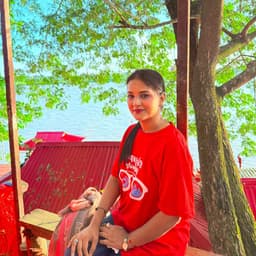

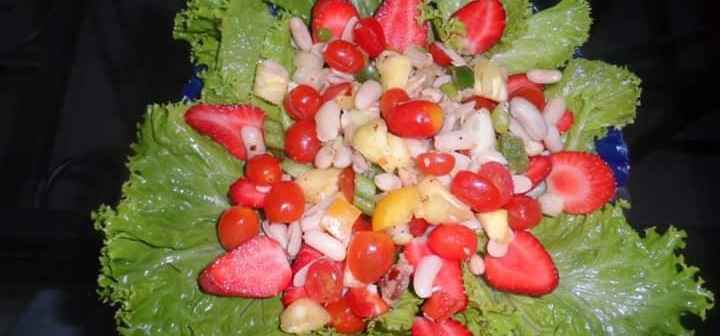
Photo Credit: Photo Credit: Me
Fresh fruits Salad, self-care, and little moments of happiness 🍓
I grew up in a time when menstruation was something women rarely discussed openly. In 1980s Bangladesh, periods were often treated as a hush-hush topic, surrounded by embarrassment, silence, and taboos. Girls were expected to manage everything quietly, without asking questions or expressing discomfort.
I experienced my first period at the age of eleven while studying in sixth grade. Although I had learned a little about menstruation in my Home Economics class, nothing truly prepared me for that moment. Seeing blood for the first time frightened me. I felt confused, nervous, and unsure about what was happening to my body.
Thankfully, I always shared everything with my mother. When I told her, she comforted me with kindness and patience. She explained that menstruation was a natural part of becoming a woman and taught me how to take care of myself during those days. Her calm reassurance helped replace my fear with understanding.
At that time, sanitary pads were not easily available in Bangladesh. My mother taught me how to use clean folded cloth hygienically. She carefully explained how to wash, dry, and reuse the cloth safely to avoid infections. Today’s generation may not fully realize how difficult menstrual management once was for girls and women in our country.
A few months after my first period, my menstruation suddenly stopped for almost six months. My parents became worried. My father took the matter seriously and consulted a doctor for me. The doctor explained that irregular periods can be normal during adolescence because the body is still adjusting hormonally. My father’s concern, care, and support gave me emotional strength and confidence during that confusing time.
As the years passed, sanitary pads slowly became more available in Bangladesh, and awareness about menstrual hygiene gradually increased. During my university years, I had a memorable opportunity to work as a model in a television advertisement for Senora sanitary napkins. At that time, such advertisements were helping to break social taboos and educate girls and women about menstrual health and hygiene. I still feel proud that I was able to contribute, even in a small way, to spreading awareness.
One of the hardest parts of my menstruation journey has been dealing with severe menstrual pain. During school and college, I often attended classes while silently enduring intense cramps and discomfort because many people lacked awareness and empathy about period pain. Girls were expected to continue everything normally, no matter how much pain they were suffering.
Later, as a young wife managing household responsibilities without family support nearby, I sometimes had to cook, clean, and complete daily chores while struggling with unbearable pain and exhaustion. There were moments when I wished society understood that menstrual pain is real and that women deserve rest, care, and compassion during those difficult days.
Now, as I approach my forties, I still experience the physical and emotional changes that come with each menstrual cycle. But over time, I have learned the importance of self-care. I try to rest when my body needs it, eat nutritious food, stay hydrated, and be kinder to myself instead of ignoring my discomfort.
Today, I am a mother to a teenage daughter, and I wanted her experience to be different from mine. When my daughter had her first period, I spoke to her calmly and naturally. I explained everything with care so that she would never feel fear, shame, or confusion about her body. I stayed beside her emotionally, comforted her, and made sure she understood that menstruation is simply a normal and healthy part of life.
Now my daughter is seventeen years old, and I am grateful that she is growing up with a much healthier understanding of menstruation. During her periods, I try to give her extra emotional and physical care. I encourage her to rest, eat healthy food, stay hydrated, and openly express how she feels. Most importantly, I want her to grow into a woman who embraces life positively, confidently, and without shame about her body.
Today, I believe menstruation should never be treated as something shameful or dirty. It is a natural and powerful part of life. Every girl deserves accurate information, proper menstrual hygiene, emotional support, and the freedom to talk openly about her body without fear or embarrassment.
My hope for the younger generation is simple: may girls experience their first period with knowledge instead of fear, with support instead of silence, and with dignity instead of shame.
A healthy and confident woman builds a healthier family, a stronger community, and a better world. By sharing our stories openly, we can break taboos, create understanding, and ensure that no girl feels alone in her menstruation journey.
Looking back today, I realize how much society’s attitude toward menstruation has slowly changed over the years. When I was a young girl, many women suffered in silence because they were taught that periods were something embarrassing to hide. Girls often missed school, avoided conversations, and carried unnecessary shame about a completely natural biological process. Even discussing menstrual pain openly was considered uncomfortable in many families and communities.https://www.facebook.com/reel/1366072357980450
Thankfully, today’s younger generation has more access to education, awareness campaigns, and menstrual hygiene products than we did in the past. Social media, schools, health programs, and awareness initiatives are helping to normalize conversations about periods. Still, many girls, especially in rural and low-income communities, continue to face stigma, lack of proper hygiene products, and emotional isolation during menstruation.
I believe change begins at home. Mothers, fathers, teachers, and communities all have an important role in creating a safe and supportive environment for girls. Boys should also be educated about menstruation so they grow up with empathy and respect instead of misunderstanding and mockery.
Menstruation should never limit a girl’s dreams, education, confidence, or participation in society. Every girl deserves to feel respected, comfortable, and empowered during her menstrual journey. By speaking openly and sharing our personal stories...
- Health
- Peace & Security
- Girl Power
- Human Rights
- Stronger Together
- Salud menstrual
- Global