Menstrual products are taxed as luxury products around the world.
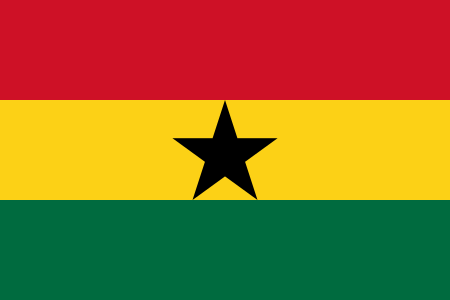
The tampon tax is a value-added charge imposed on menstrual hygiene products by a government. In Ghana, menstrual products are classified as luxury and non-essential items, whereas other essential items like toilet paper, condoms – and even non essential items like erectile dysfunction medication – are typically tax exempt.
If you’re a menstruating woman, then you’re accustomed to the sometimes excruciatingly painful, quite expensive and not-at-all luxurious experience of monthly periods.
This tax places an additional burden on people who menstruate by making items crucial for everyday life unaffordable for some, especially young, underprivileged girls. We have literally seen sanitary pad prices go from GHC5.00 to GHC25.00 in the past year. How can underprivileged teenage girls afford sanitary pads at this price point each month?
Across the country, women are on their periods at any given moment, and a large chunk of these people live without access to adequate menstrual hygiene. Many of them end up resorting to unsafe materials to manage their periods — newspapers, corn cobs, or cardboards as alternatives to menstrual pads and tampons. Teenage girls are forced to have sex with older boys/ men in exchange for sanitary pads.
Many women and girls live in poverty and struggle to access the resources to manage their periods. The tampon tax makes it even harder for them to be able to afford what is considered a basic need.
Period advocates all over the world are fighting for the tax exemption of menstrual products to ensure that everyone can manage their periods with safety and dignity.
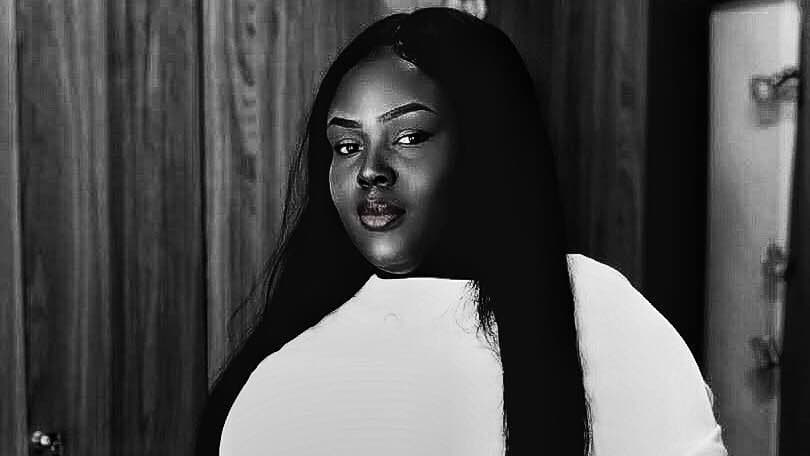
Tonight on Just Us, I will be talking with Benewaa of the Obaasima Foundation about period poverty, menstrual products, The tampon tax, and the “Don’t Tax My Period March”.
Produced by @woeedem
Credit: Naa Ashorkor Mensah-Doku (LinkedIn)
https://www.linkedin.com/feed/update/urn:li:activity:7077006881948332032