
Conversational English Language Program for young rural girls - Breaking social barriers
May 6, 2023
story
Seeking
Collaboration
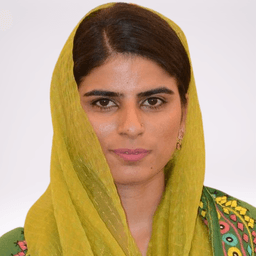

Nabila Abbas, the founder, is promoting inclusivity and a gender equality through CELP.
Nabila Abbas,
Nabila Abbas is a globally recognized social activist from remote area in Pakistan who has been actively working towards achieving gender equality, quality education, and women's empowerment since 2016. Despite facing numerous challenges such as gender stereotypes, cultural and financial constraints, and societal biases against women's participation in social reforms, Nabila has remained dedicated to promoting gender equality and working towards empowering young girls.
As the first-generation higher education achiever in aviation management from a renowned university in Pakistan, Nabila marked her first international public appearance in 2019 at the International Congress of Youth Voices. She was the first representative from Pakistan among 130 delegates from around the world, where she spoke about the role of rural women in social, economic, and political reforms. Nabila's personal experience of belonging to one of the remotest areas in Pakistan has given her a clear vision of the true statistics of women's empowerment. She believes that among the 51% of women, 31% live in remote rural areas, where they have limited opportunities and access to platforms as compared to urban women. Therefore, she has been tirelessly fighting for their rights and letting them evolve into such platforms.
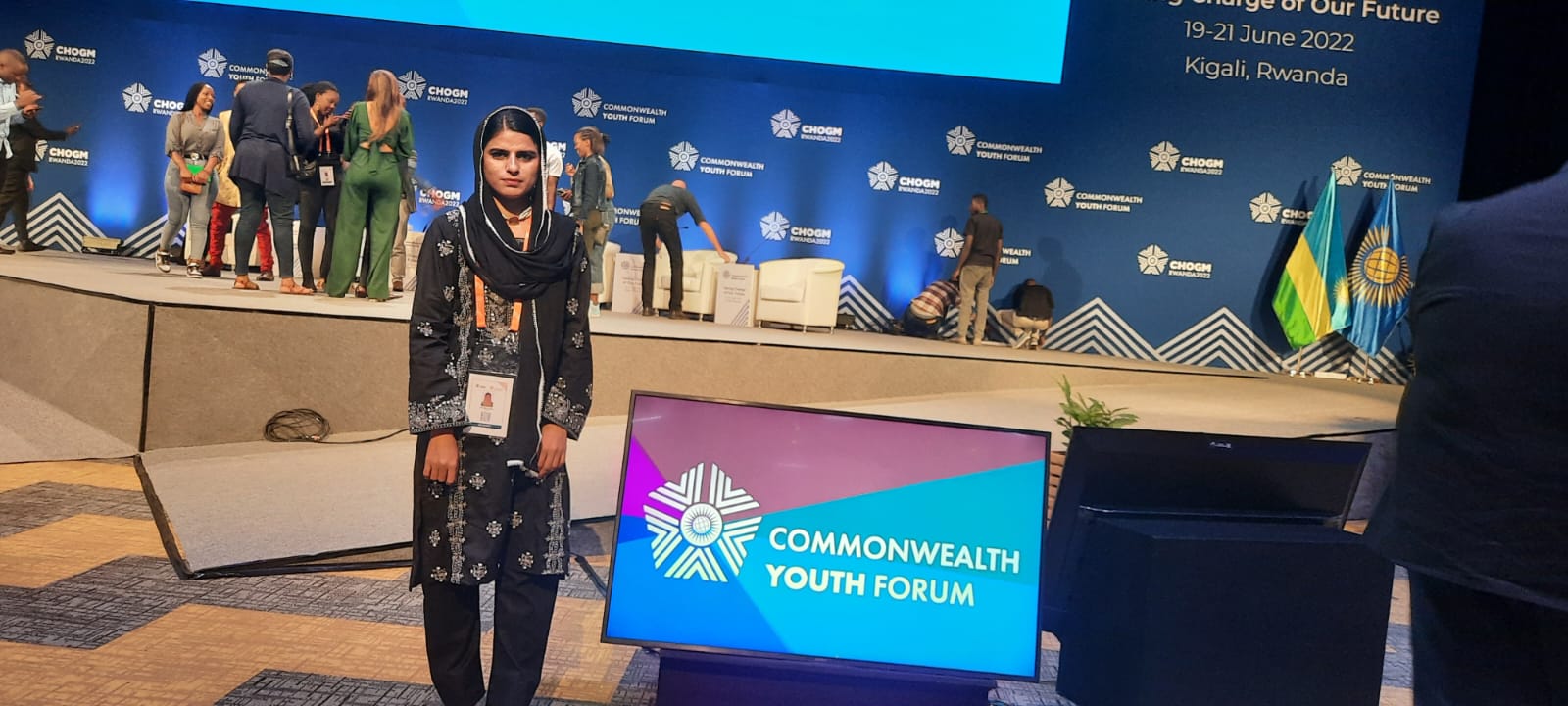
Apart from fighting for the basic primary education of children in rural areas where there is either no access to schools or a lack of infrastructure, Nabila has also been an active member of the Prime Minister's National Youth Council in the Islamic Republic of Pakistan. During her tenure, she worked towards mainstreaming marginalized youth across the country. Additionally, Nabila represented Pakistan at the Commonwealth Forum in 2020 and won the Diana Award 2020, which recognizes the social and humanitarian work of young social activists across the world.
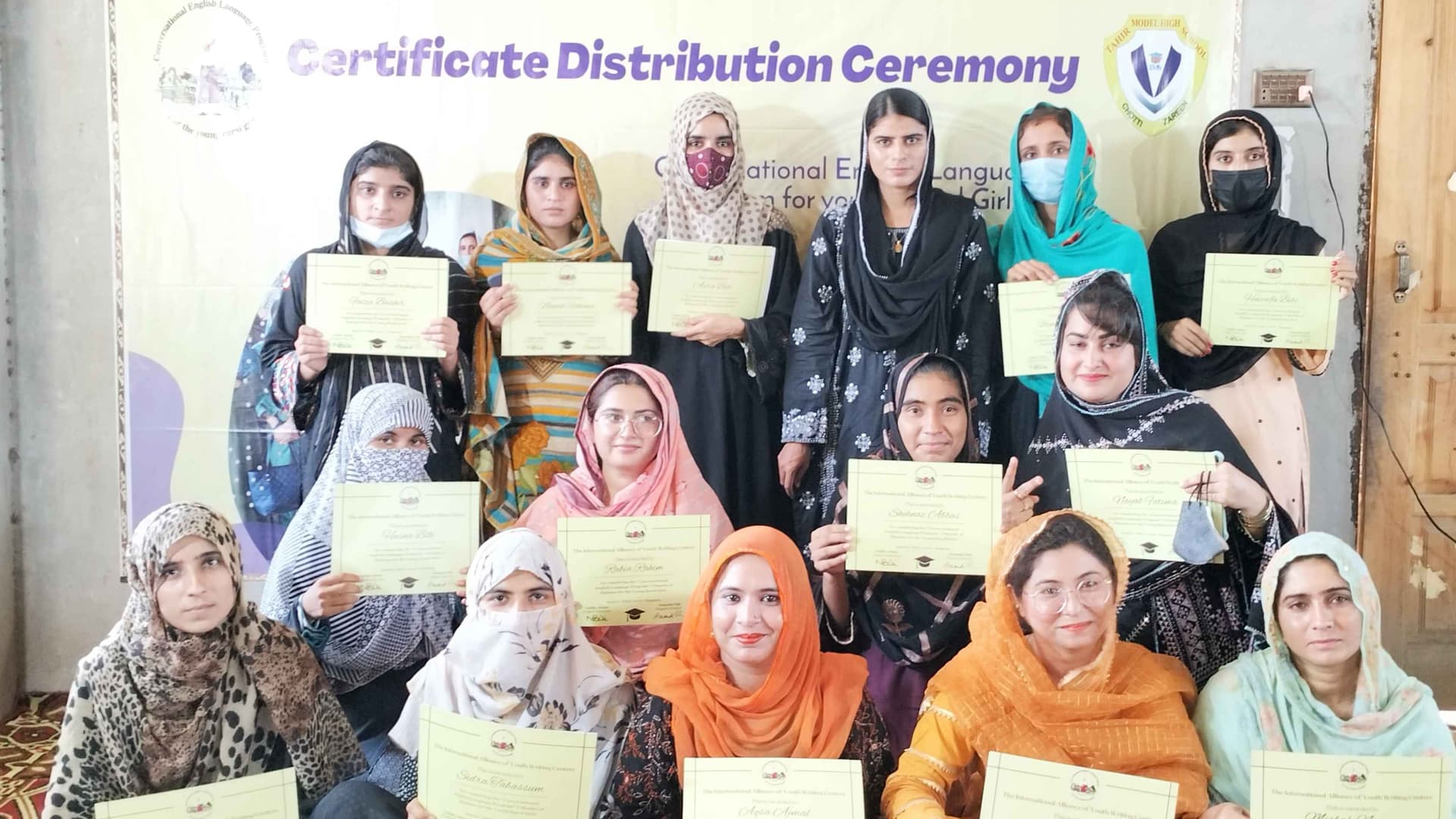
Currently, Nabila is working towards empowering young girls in rural areas through her conversational English language program, aimed at breaking language barriers and letting them empower themselves. In collaboration with the International Congress of Youth Voices under mentorship of Ms. Amanda Uhle and the Young Writing Centers, Nabila emphasizes the importance of rural girl engagement in social reforms and other activities. Through this program, rural girls are given the opportunity to lead from the front and connect with the rest of the world by establishing language skills and engaging themselves in character and capacity-building workshops. So far, the program has passed out three batches comprising of 100 plus rural girls.
Nabila's struggle to uplift rural young girls has been extraordinary. She decided to come back to live in her own community just after her graduation and has won various national and international awards for her tireless advocacy and work towards gender equality, including the Top 40 under 40 Young Aviation Professional Award by the National Aviation Business Association in Washington DC, Kindness, and Leadership 50 Leading Lights Asia Excellence Award by the People's Friendship Association, a branch of the Commonwealth.
Nabila envisions an equal world where all rural girls and women should have equal opportunities and access to social reforms and other platforms to achieve real women's empowerment. Her program serves as a true community leadership example, showing that together, we can achieve anything, even the seemingly impossible.
Nabila Abbas is active member and community champion of the United People Global and follows the mentioned affiliation with these organizations; International Congress of Youth Voices, Prime Minister's National Youth Council, Kectil Youth Leadership Program, Pakistan-US Alumni Network, 30 for 2030 UN Women Asia Network, Young Change Makers, Women Economic Forum.
Mission Statement: Our mission is to break down social and cultural barriers through language. We aim to achieve this through CELP, a literacy program designed to transform young girls.
About the CELP :
The Conversational English Language Program is an initiative that seeks to challenge social and cultural stereotypes and engage young rural girls in capacity building workshops. This unique program was developed one year ago, when Miss Amanda Uhle and I had a brief discussion and decided to create a platform where young rural girls could lead and develop their skills. However, there were significant cultural barriers and myths that prevented young rural girls from participating in such programs, and they were not allowed to attend even when the program was being facilitated in their own villages. To address this challenge, we structured the program to focus on improving the girls' skills through two months of training in capacity activities in a classroom setting. This approach provided young rural girls with the opportunity to connect with the rest of the world and empowered them to have their voices heard. So far, this program has benefited more than 100 girls, and three batches have successfully completed the program. This program is unique because it operates in a vulnerable area where no work regarding Sustainable Development Goals (SDGs) has been initiated before. As a result, it has a significant impact on the young girls, as it helps to transform their interpersonal and professional skills.
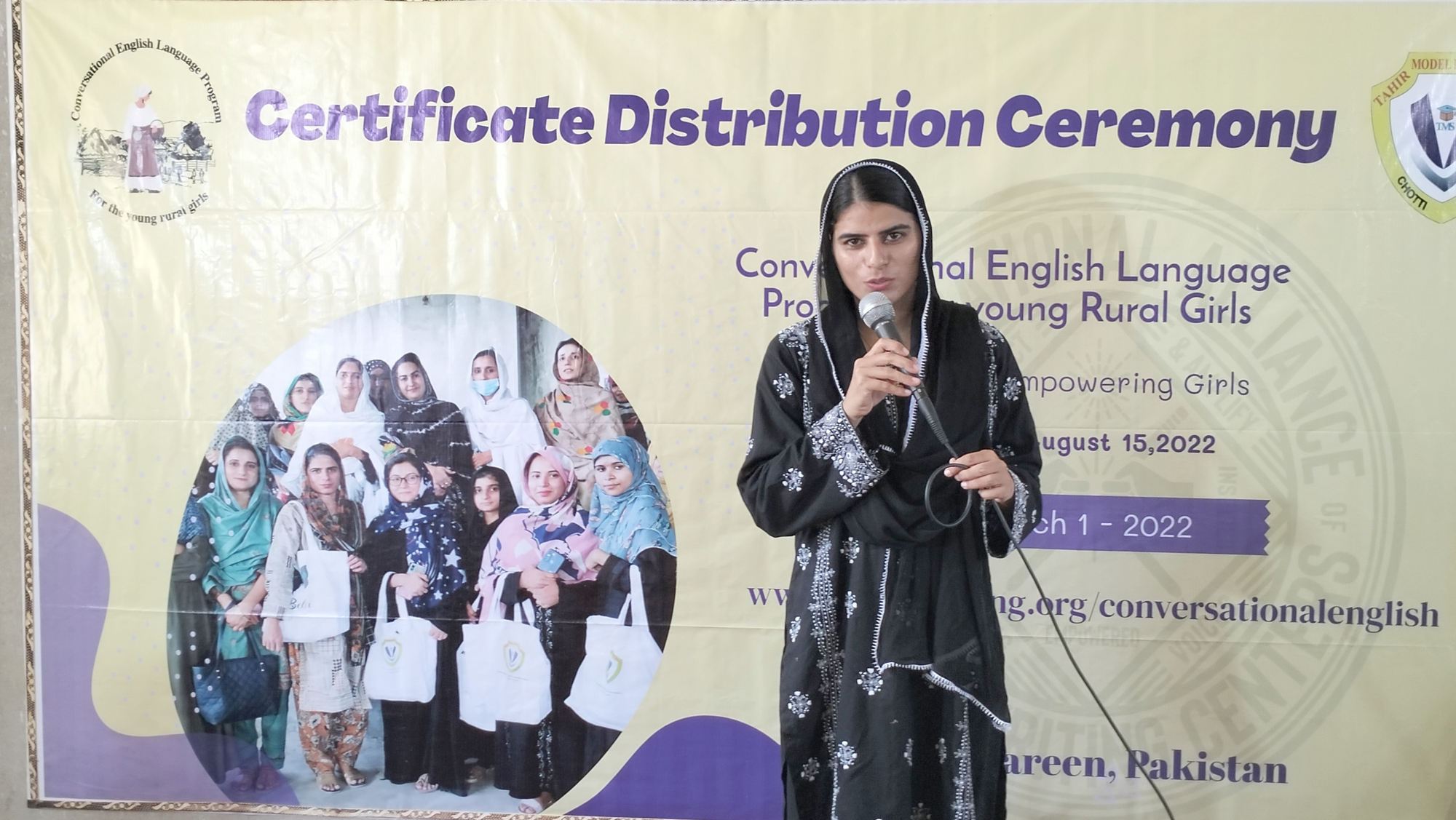
The CELP program operates in a vulnerable area, and sometimes the sensitivity of the situation can escalate to the point of becoming life-threatening. This is due, in part, to a lack of awareness of the SDGs and other social reforms. Additionally, the lifestyle of the community is heavily male-dominated, with most decisions being made by men. Women are often relegated to traditional domestic roles, such as cooking and preparing food for male family members, and are not encouraged to participate in capacity-building programs.
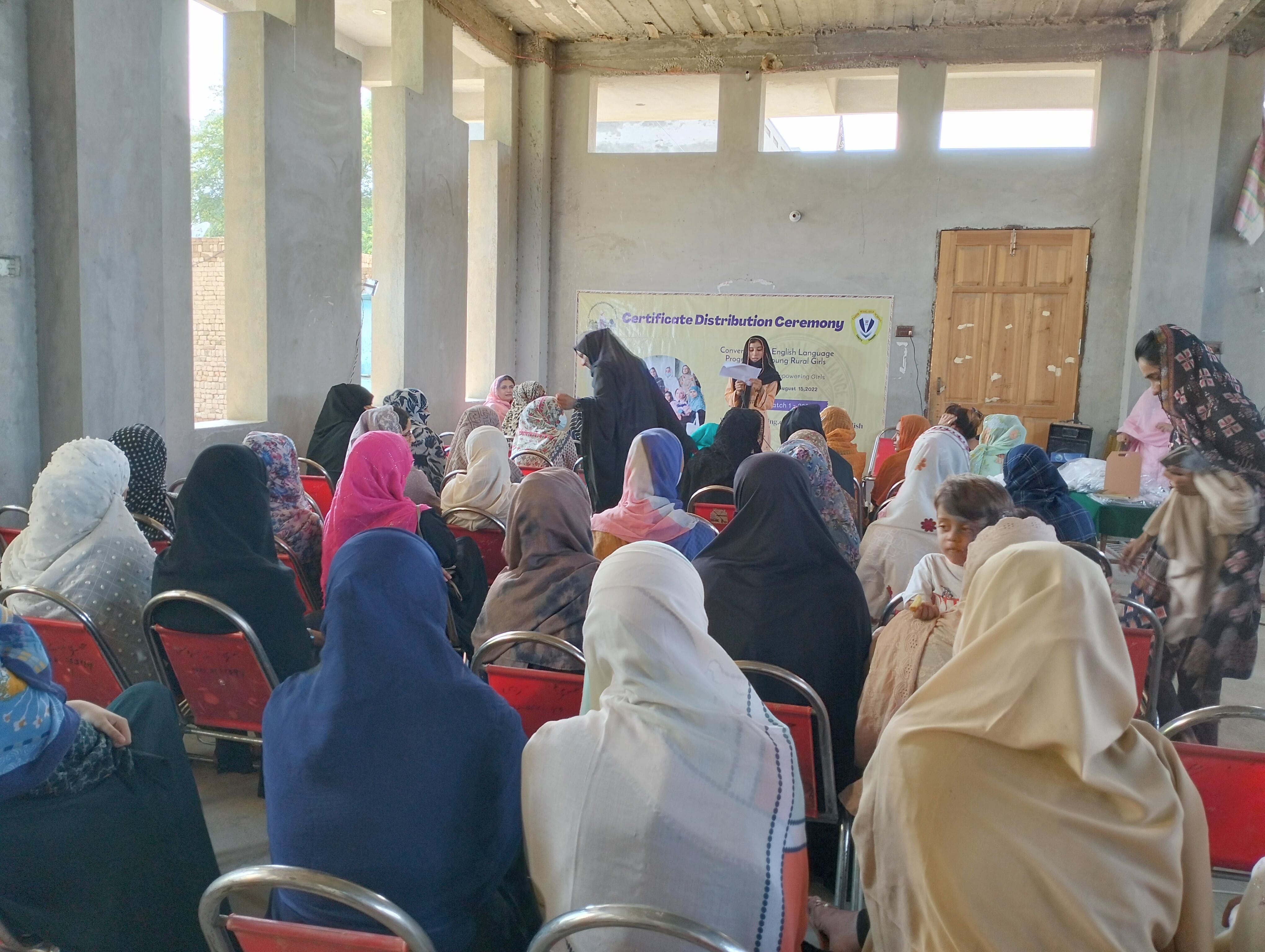
To address these challenges, we developed a strategic plan that positioned CELP as a language skills literacy program with a basic educational structure, akin to an additional diploma program. This approach was intended to avoid any misunderstandings or offense among guardians who may not support their daughters' engagement in social activities, as many people in the community view SDG activities as irrelevant or incompatible with their culture. Through the CELP program, we have seen a shift in attitudes and behaviors among community members, with parents now more willing to encourage their daughters to develop confidence and participate in capacity-building programs.
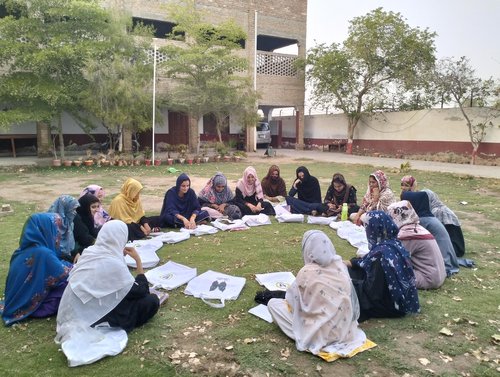
Nabila is hopeful in seeking more potential and collaborations in this project in order to scale the mainstreaming of young rural girls. Nabila is a true representative of the rural women across the world and she believes in achieving women empowerment unless we inclusively make visible those who are unheard. Nabila is continuing her journey with dedication and spirit of empowering young girls
- Girl Power
- Leadership
- Peace & Security
- Education
- Youth
- Indigenous Rights
- Peace Building
- Spirit Awards
- Moments of Hope
- Shout Your Vision
- Collaboration Stories
- Stronger Together
- Our Voices Rising
- Our Impact
- World Pulse Changemakers Lab
- Global