
Connecting and learning for change
Jan 21, 2015
first-story
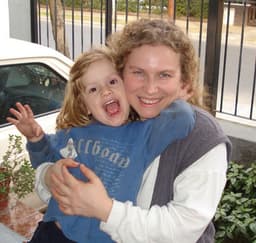
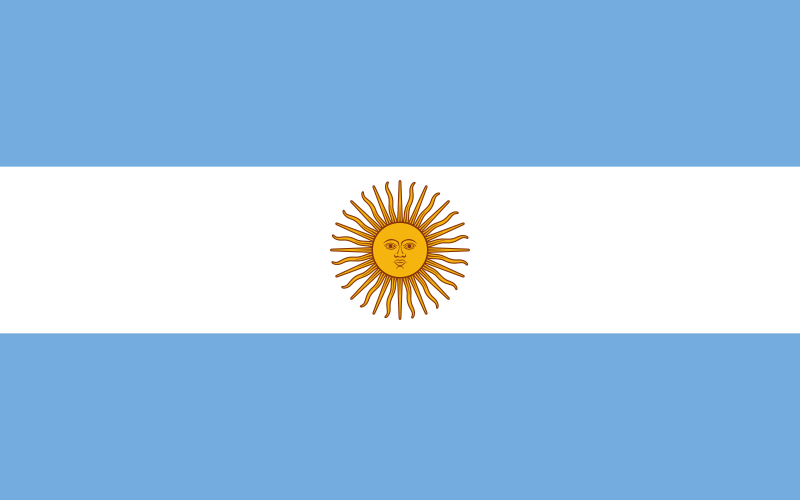
The first question of the assignment refers to change and community. So, I wonder which that community is. Women? Argentinean women? The LGBT community? My city? My country? Our own definitions and perceptions of “our community” are subjected to change. Sometimes, our community is our neighbourhood. Other times is a group of people with a common interest. Many other times it refers to people who suffer the same oppression.
I will refer to Argentina as my community today, since change is a central topic in our present moment. We have celebrated the second centenary of the declaration of independence. Of course, as the rest of America, our history goes far beyond, centuries before Colón arrival. But the anniversary sparked a lot of debates.
In a sense, Argentina has a long history of change. The Spanish colonization, then the formation of the independent country, then the huge European, Jewish and Arab immigration of the beginning of twentieth century, industrialization, the decades-long story of coup de états against democratically elected presidents, the definitive re-establishment of democracy, the changes in rural production, the expansion of new technologies and so on.
We are facing big challenges now. I think one of the biggest is to accept and value diversity. During the last twenty years we have had a great immigration of sisters and brothers from Latin American countries. The immigration from Korea and China is also very strong. We are now receiving people from Africa, especially from Senegal. Our indigenous peoples are recovering their voices and visibility. The country has always been fond of its ethnical and religious mixture. However, racist prejudice is widespread and discriminatory attitudes are common.
Something similar happens in relation to gender. This is the first country in Latin America that legalised marriage for LGTB people at the national level. Transgender people rights are also advancing. Half university students are women; they thrive in science, business and the arts. For our first time, we have a woman president elected by vote, three women in the national cabinet and two women justices in the nation’s Supreme Court. In spite of all this, machista prejudices, misogyny and anti-LGTB bigotry are still firmly rooted and are part of our everyday lives.
I think the only way to counteract prejudice, discrimination and violence, which result from ignorance, fear and hatred is to get to see the other as an equal human being. And that can only be achieved through education and dialogue. Every one of us committed to change and diversity must educate ourselves, learn more, speak more, listen more. I believe PulseWire is a perfect place to do so. It allows us to get to know different people from different cultures in nontrivial aspects of our lives. People here are not talking about soap operas; they talk about their lives and struggles. Here we become stronger to do the work of making the world a wider place. As Zapatistas say: a world with place for many worlds.
- First Story
- Latin America and the Caribbean