
CLIMATE CHANGE IN MARRIAGE
Nov 11, 2022
story
Seeking
Encouragement
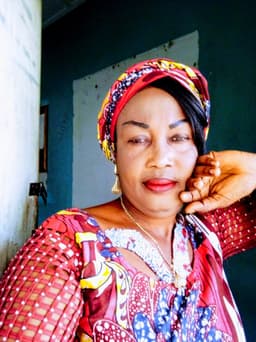

Child marriage in Africa
Child marriage is largely driven by poverty and gender inequality, both of which are exacerbated by climate change. Fanny, in Malawi, was married at 17. “This was due to pressure from her parents, who were overwhelmed by the deep poverty they were experiencing, but she was not ready,” she said.
Families affected by climate change often have limited resources. They have to make decisions about how to best provide for all members of the family. Often, gender inequality plays into this decision. Families might opt to invest in sons, who often have greater employment opportunities, in hopes that they will support the family financially. By contrast, daughters might be married off because they are less able to earn an income and are seen as a burden. However, this practice contributes to a dangerous cycle of poverty. Because girls are seen as less able to earn an income, they are given fewer education opportunities to learn income-generating skills, and then are unable to find employment because they lack the skills. The World Bank finds that when girls are empowered to delay marriage, they become educated and employed. Ultimately, their families and communities are healthier and wealthier.
Families might also resort to child marriage as a way to preserve the family’s honor. Harassment and sexual violence tend to increase after climate disasters. When unmarried girls experience this violence, especially if the violence leads to pregnancy, their families and communities will sometimes see them as promiscuous or “asking for it.” This is never true. Survivors of violence are never to blame for the abuse they experience. Tragically, some in Bangladesh and elsewhere around the world view child marriage as a way to prevent their daughters from experiencing sexual violence and bringing shame to the family.
In crisis settings, women are not only forced to seek food and shelter, they also struggle over where they can go and how they can dress to minimize threats. Outside a camp in Bangladesh, Rohingya refugee women have rejected these donated clothes as not modest enough to deter unwanted attention. © UNFPA Bangladesh/Veronica Pedrosa
- Gender-based Violence
- Peace & Security
- Girl Power
- Environment
- World Pulse Changemakers Lab
- 16 Days
- Digital Ambassador Events
- Africa