
CAMEROON: Traveling While Hearing Impaired
Feb 27, 2022
story
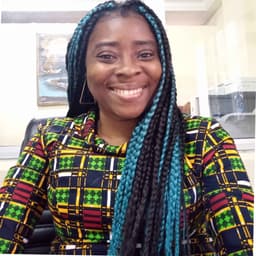

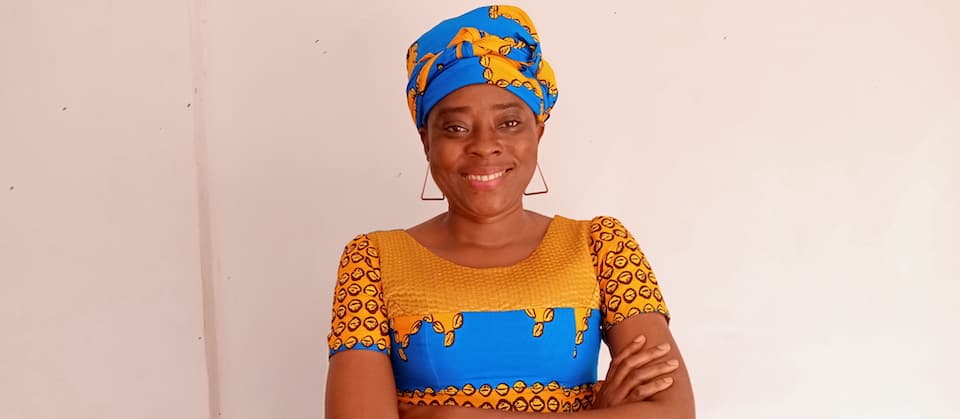
Image shows Arrey Echi in blue and gold, smiling against a white backdrop. (Photo courtesy of Arrey Echi)
Arrey-Echi chronicles how challenging it can be to navigate an airport as a traveler with a disability and outlines her vision for more inclusive travel.
We talk a lot about inclusion, but how inclusive are our communities for people with disabilities?
The first time I traveled by air was with my family. All I needed to do was follow them without much ado until we boarded the plane. That made things more manageable and less stressful. In November 2019, I learned just how difficult traveling alone could be for a deaf or hearing impaired person.
On the first leg of my journey to Lagos, Nigeria, for the African Sickle Cell Congress, I had a travel companion who helped me navigate the airport. But from Lagos, I continued to Abuja solo to visit my sister and her family. That’s where the challenges began.
My first obstacle was trying to navigate the check-in. As someone who loves to pause and observe, I scanned around to ensure I got to the correct check-in counter. I saw “Abuja” and made my way to the check-in. After checking my luggage, worry set in.
I scanned the waiting room, seeing no visible sign announcing when we were supposed to board the plane. “How do I hear? ” I Wondered. I approached a total stranger and asked: “Excuse me, are you flying to Abuja? ” The Answer was yes. I thanked the stranger, quietly looking for a place to sit down and discreetly following their moves.
After waiting for a while, I noticed people walking towards an exit. The kind stranger also got up, so I did the same. I followed them as long as I could. When they disappeared, I panicked. There was no screen announcing which way the Abuja gate was.
I took deep breaths, relieved to see a woman in military uniform. “Excuse me, Miss, ” I said. ‘Where is this line leading to? ” “Abuja, ” She replied. With a sigh of relief, I thanked her and joined the queue. Next, we had to take buses to where we would board the plane. I was worried sick I would enter the wrong bus, as no signs indicated the various destinations.
I told the military lady I’d met earlier that I was hearing impaired. There was nothing she could do, or she couldn't be bothered. I continued asking strangers these questions and hearing, “Yes, this is for Abuja, ” until I boarded the plane. Even while on the plane, I had to ask again. “Excuse me, is this plane Abuja bound? ”
I sank into my seat with a thankful sigh and tried to bury my head into the book I was reading. The stress of check-in momentarily dampened the excitement of seeing my sister and her family again. Finally, we landed in Abuja. I was relieved to arrive in the warm embrace of my family.
Three weeks later, I was on my way back to Cameroon. I hoped the Nnamdi Azikiwe International Airport would be different from my previous experience as an international airport. Little did I know, I was in for a rude awakening.
My brother-in-law accompanied me, but he could only go so far because nontravelers were not supposed to cross a particular area. Despite telling the officials I was hearing impaired, it was a stressful and confusing experience waiting to board the plane to Yaounde, Nsimalen, Cameroon.
During check-in, no screens were announcing which flights were boarding. I couldn't hear the voice over any of the speakers. Non-stop thoughts raced through my head of what would happen if I missed my flight.
I moved from one airport officer to another, trying to get someone's attention –– someone who really got it and would help me. It was a stressful check-in and an even more stressful waiting period. Once again, I had to revert to asking my, “Are you flying to…” questions.
The person who bore the brunt of my questions must have wondered what kind of a villager was at the airport flying. But I didn't care what anyone thought. What was paramount was making sure I boarded the right plane. I saw the confused looks on people’s faces after I’d asked them questions for the umpteenth time.
They asked if I had someone to pick me up at the airport and I told them not to worry. I could easily find my way home once we got to Nsimalen. But being hearing-impaired and unable to hear any announcements or see any information on screens, I just needed some help to make sure I boarded the right plane. “Oh, ” they responded before going silent.
Once they understood why I was asking the questions, they kept me updated when it was time to board. With a grateful smile, I thanked them when we all got onto the plane, notified my brother-in-law through a quick text that I’d boarded, and switched my phone off shortly before take-off.
This experience has made me ask a lot of questions. We talk a lot about inclusion, but how inclusive are our communities for people with disabilities? When I Bought my ticket, I told the salesperson they should mention I was hearing impaired. We combed the list of medical conditions you could indicate on the ticket, and there were none in place for someone deaf or hearing impaired.
After the travel challenges I faced, I couldn't help but think of someone who is both deaf and non-verbal. How do they communicate their needs in the face of such challenges?
We laud when someone builds a structure and includes a ramp for a wheelchair user. But what about those with invisible disabilities like mine? What Actions are taken into consideration to ensure we get the best service with minimal stress and hassle?
I shared a part of this story on my Facebook page, sparking an interesting conversation with many calling on policymakers to consider my concerns. My travel experiences are not vast, so I don't know how inclusive other countries may be regarding accommodations for people with disabilities.
Imagine the difference it would make for deaf and hearing-impaired people to see clear signs or visible screens with information on where to board their flight. Imagine how much easier we could travel by including deaf or hearing-impaired people among those needing support or assistance at the airport. I hope that places like airports consider these concerns to create a more inclusive society for all of us.
This story was published as part of World Pulse's #disabilityjustice campaign and Story Awards program. We believe every woman has a story to share, and that the world will be a better place when women are heard. Share your story with us, and you could receive added visibility, or even be our next Featured Storyteller! Learn more
- Disability Justice
- Africa