
CAMEROON: Technology Gives Deaf Girls a Voice
Nov 30, 2021
story
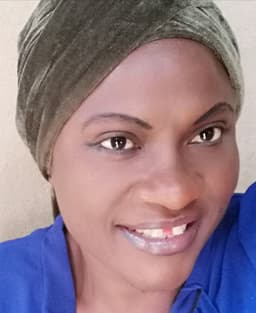

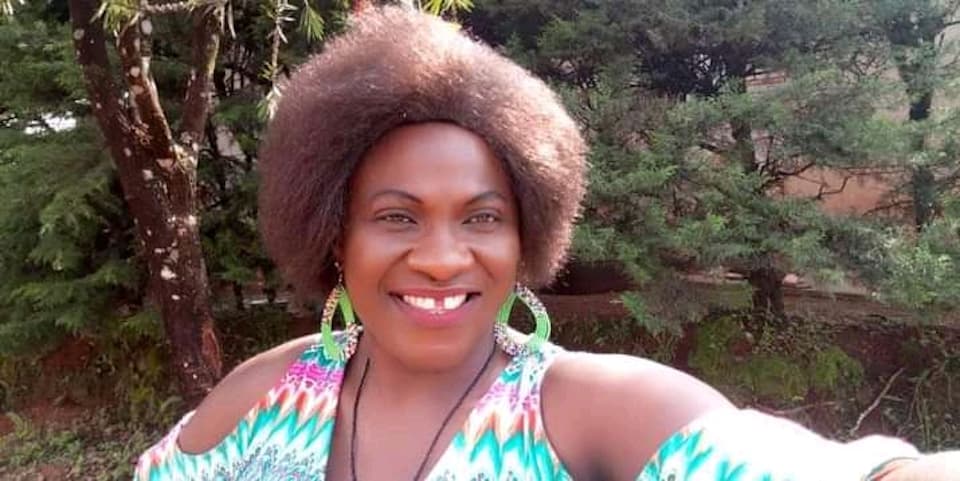
Regina's organization trains deaf girls to become leaders who impact their communities with the help of technology.
In our empowerment workshops we not only equip deaf girls with livelihood skills, but also empower them to use digital tools to create more visibility for their products.
I’ve had the opportunity to access digital opportunities and resources, but many girls in my community, especially those with hearing impairments and other disabilities, have not. In my country, people with disabilities often experience stigma. Many families, caregivers, and communities don’t invest in girls with disabilities. Girls face a further barrier of accessing money to buy an internet connection. On top of this, some of these girls suffer harassment online.
That is why I am committed and passionate about getting girls with hearing impairments more engaged with digital tools.
My organization, Association for the Empowerment of the Deaf and Vulnerable Persons (AEDVP) educates girls about the rights of people with disabilities. We have organized digital trainings in collaboration with other World Pulse sisters and organizations about how girls with disabilities can use technology to advocate for their rights. Our organization also trains them on how to sell their products online.
Our empowerment center aims to equip deaf and disabled girls with skills to build a livelihood. The girls learn how to use their phones to sell products such as beaded sandals, powdered soap, and bedsheets through Facebook and whatsapp. We also teach them how to stick price tags on the products and advertise online.
Customers who do not understand sign language can use texts to bargain and buy their products. Technology has become the girls’ voice, reducing the communication gap as they can communicate effectively with customers, making business more inclusive.
Initially, most of the girls had to use my computer and phone to communicate through apps such as Facebook Messenger, but lately, some have acquired their own Android phones and are helping their deaf peers. Selling online has increased their products’ visibility and given them a wider audience.
The presence of COVID-19 lockdowns coupled with the socio-economic crisis in our region has made more people realize the powerful role technology plays in our lives. It has motivated and inspired more people to acquire skills on how to effectively use technology to function every day.
We also teach girls how to access educational opportunities, meetings, trainings, and networking opportunities online. Over whatsapp, the girls we work with were able to share challenges, successes, opportunities, and basic training during lockdowns. This is the beauty of technology and the positive impact it can have on girls when they can access the digital empowerment opportunities they need.
Harassment and violence online are always a big call for concern. I constantly discuss digital safety with the girls I train, from creating stronger passwords, to avoiding sites that will expose them to gender-based violence.
I recommend individuals, caregivers, family members, community members, and the government take digital education and empowerment for girls, especially those with any form of disability or vulnerability, more seriously. We should train these girls and provide them with digital tools, such as smartphones, that they can easily use. We should provide strong and affordable internet at all times. In doing so, technology will make life easier and better for every girl.
Through our trainings, we help raise role models and leaders who will be able to positively impact their communities using technology. Most of the girls have become more financially self-reliant and report a decrease in incidents of gender-based violence. Community perceptions of the girls have changed positively as people interact with them online.
Our dream is that even more girls — with and without disabilities — will have access to networking, empowerment training, improved livelihoods, education, and whatever opportunities they need to excel through the use of technology. We can only ensure this happens if they have opportunities to access free or affordable tech devices.
This story was published as part of World Pulse's Story Awards program. We believe every woman has a story to share, and that the world will be a better place when women are heard. Share your story with us, and you could receive added visibility, or even be our next Featured Storyteller! Learn more.
- Disability Justice
- Africa