
CAMEROON: Standing Up For My Needs as a Mother
Apr 30, 2019
story


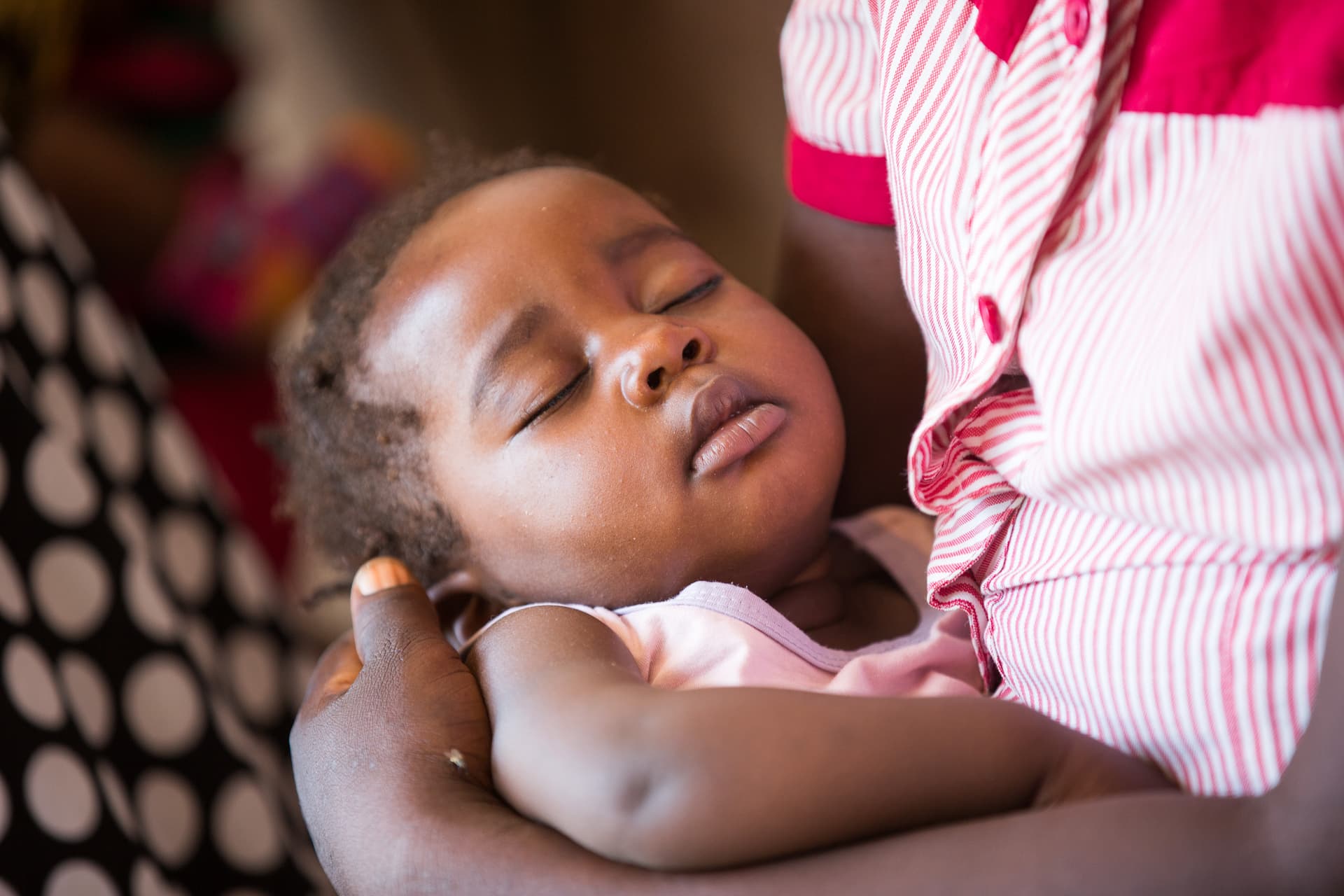
After giving birth, Geraldine Sinyuy refused to let a long-held tribal custom keep her apart from her family and support system.
I did not think [marriage] should bring such untold traumatizing experiences to women.
When my kid brother was born, my maternal family members were forbidden from entering my family’s compound and visiting the baby. My mother was also forbidden from stopping and greeting any of her relations should she see them outside our home. Any gifts they sent us, my father dumped into a latrine.
I was just a child at the time, so these rules did not bother me much, though I did not understand them. On one occasion, I followed my father secretly. From behind the bush where I stood, I watched him dump large containers of Vaseline and other baby things into the latrine.
This baffled me and until today I have never told this story to anyone. I was about six then, but some sixth sense told me to hide so that my father would not see me. What was happening was part of a custom and tradition that I would only learn about much later in life.
The things my father dumped that day were gifts from my maternal uncle. He was trying to break the tradition that prevents women from interacting with their families after childbirth.
Many years later, my maternal aunt got married and the same custom was repeated when she had her first son.
One day, my aunt saw her first cousin on the road, and she immediately started running away with her baby. This first cousin was a Christian nun and did not understand why this drama was taking place. She hastened on behind my aunt in order to find out why she was running away from her.
My aunt explained through tears, “None of my family is supposed to see the baby until the baby is one year old. If any of you do, something evil will befall me. ”
I did not witness this event, but the nun, who was also now my foster mother, told me the story. Little did I know that this terrible tradition was a custom in my tribe and was eventually going to land on me when my turn came to marry and have children.
When I had my first baby, my parents-in-law paid me a visit in the hospital maternity room and named him. Upon leaving, my father-in-law ordered me to bring the baby to his home in the village—which is at least 50 km away from the urban area where my husband and I live—as soon as we were discharged from the hospital.
As their son’s wife, I had to take the child to them. This is custom and I am okay with it, but I believe it should be at one’s convenience and not an obligation. Women should be given time to recover from birth stress before making such journeys.
As soon as we were discharged from the hospital, however, we left for my in-laws’ village as instructed in spite of the fact that the baby was not in good health and needed special medical attention from the pediatrician at the hospital where he was born.
When we arrived at the village, my husband spent only two nights there with me and then left for another African country where he works. He instructed me to spend at least three weeks with his parents. During those weeks, the family force-fed me because they believed that young women need to eat a lot in order to produce enough milk for the baby. I became constipated and nearly developed piles due to too much food intake. The days went by like this, and after three weeks, finally the baby and I were able to leave.
On the eve of our departure, my parents-in-law summoned me for a meeting late in the night. My father-in-law told me not to go back to my parents’ home. He told me that I could only go there in the case that there was an emergency. He warned that my husband should not visit my parents’ home either unless somebody died; and should this happen, we were not to share a room, let alone a bed. He insisted that if my husband should visit my family home, he must sleep in the guest house.
I listened patiently and struggled to suppress the tears that welled up in my eyes. In Africa, marriage is supposed to unite two families. I did not think it should bring such untold traumatizing experiences to women. I did not see myself silently bearing that humiliating, dehumanizing custom that my mum, aunt, and thousands of other women had endured without a word.
I had to break the rule.
At the end of the meeting, I told my parents-in-law that I had heard everything they said, but deep inside, I told myself that I would never obey such an evil custom and tradition.
As a Christian, I did not believe that something evil would befall me should I visit my family, and as a phd researcher in Commonwealth literature and feminism, I was grounded in feminism thought. I shared feminism’s goal of ending cultural practices that impede human development. I have seen the untold pain women suffer in patriarchal cultures, and I abhor the subjugation and relegation of women.
When I left the village, I headed for my foster mother’s home—now considered a taboo place for me.
I acted silently, knowing that I was not doing anything wrong to any human being. I was simply protecting myself, and my husband stood by me.
I have not cut links with my people. My husband and I spend time with my family when we want to and during the holidays I go to my foster parents’ home with my kids. It was there that I stayed until I had my second baby.
This cultural practice is an impediment to human progress and women’s wellbeing. I hope that other women will stand up with me against this tradition thatprevents women from the support of their families after childbirth—a time when they need it most .
STORY AWARDS
This story was published as part of the World Pulse Story Awards program. We believe everyone has a story to share, and that the world will be a better place when women are heard. Share your story with us, and you could be our next Featured Storyteller! Learn more.
How to Get Involved
Geraldine Sinyuy invites you to share her story with your peers in an effort to help spread awareness about how this cultural practice harms women. If you live in a community that practices this tradition or similar customs, Geraldine recommends encouraging elders and promoters of such customs to work to put an end to them.
- Human Rights
- Africa