
CAMEROON: My Father Has Dementia. Let's End the Stigma.
Apr 30, 2019
story
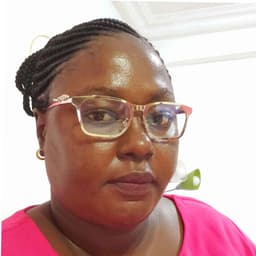

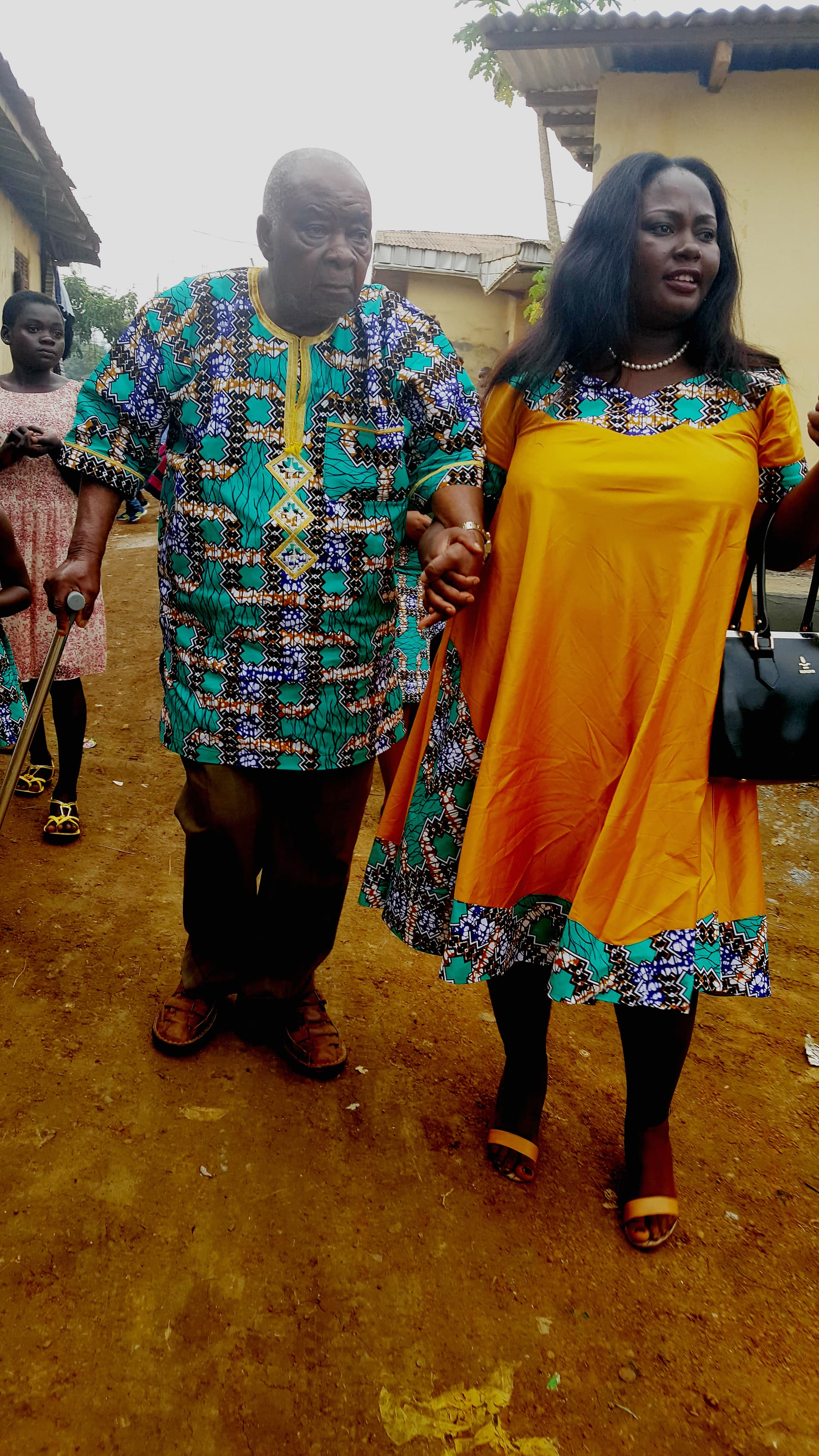
Photo Courtesy of Nakinti
The pain of watching her father lose his memory inspired Nakinti to take the first step towards changing her community’s perception of dementia.
There is no way to prepare for your father forgetting who you are.
“Nyangwe nja? ” My 90-year-old father asked me in our native language.
This was in May of this year, and it had been 20 minutes since I had entered our family home to spend a short holiday with my parents.
I could not believe what I was hearing. He had asked me who I am. He had said, “Who is your mother? ”
I couldn’t respond immediately because of the shock. My father had started losing his memory to dementia years before, but hearing him ask me who my mother was caused me to rush out of the room and cry my eyes out.
In this moment, I was not only crying because I was losing my dad as I knew him, but because I feared that I may age like him and lose my memory one day too. I resemble my dad in so many ways—physically, genetically, naturally, and emotionally—and I was panicking.
Through my tears, I rushed to meet my mum who was cooking a welcome meal in the kitchen. I explained to her that Daddy had asked me who my mother was. I saw my mum look in one direction for close to three minutes, then her eyes went heavier and heavier until a heavy tear rolled down her aging cheek. She gently dropped the cook spoon she was holding and quietly headed to the living room where Dad was sitting and counting the number of flower designs on the table cloth in front of him.
Mum sat down and explained to him.
“This is Nakinti Besumbu Nofuru. She is our daughter. She is the one you used to call Sister because she bears your sister’s name, Besumbu. We had her when you were still practicing as a nurse in Bai Estate Hospital. She is the one who is in Bamenda. Remember we have spent two vacations at her house in Bamenda for months. Don’t worry, you will remember everything in a day or two. ” I was touched by how my mum explained to her husband who I was. She spoke in the most loving and understanding way.
My dad has been sick for over 10 years and so he has been on medications for a decade. He suffers from diabetes, hypertension, cardiac problems, teeth problems, and a resultant minor eye problem. Over the years, we have watched him lose his memory bit by bit. His doctors who give him routine check ups every three months told us a few years back that our father was suffering from dementia. They have always taken time to explain to us what dementia is and how it manifests. We felt prepared for him to lose his memory, but there is no way to prepare for your father forgetting who you are.
In Cameroon, dementia is not widely known or understood. A large portion of those suffering from dementia are referred to as witches and wizards. They are often abandoned by their children and family, and they are seen roaming the streets, eating from dump sites, and they suffer abuse from community members. Such patients in my country die miserably because of a lack of care. Even their corpses are treated as trash.
I know my dad is lucky to have children who understand his medical condition. Best of all, he is lucky to have a wife whose love for him never dies. A wife who keeps her husband clean, who feeds him, gives him his medications on time, consoles him, and pampers him on his bad days. My dad is lucky. Others may not be as lucky as he is.
My own mind is consumed with questions and worry. What if as I age I become consumed by dementia? Will I Have people who will understand my situation? Will I Have people in my life who will care? Will I Live in a community that will understand? Or Will I be left to live amongst people who will label me a witch?
My experience of watching my father experience dementia and my fears of having it myself in the future have pushed me to understand the importance of developing strategies for decreasing ignorance around this condition in Cameroon.
I have started sharing a few thoughts about the need for this on social media, but I feel we must do more. I would like to work with medical experts to help sensitize people to the realities of this illness. To change the experience of those who are affected by this condition, we must have targeted strategies to reach those who are most impacted.
I see messaging campaigns for those living in rural communities who are the most affected by misinformation and ignorance around this illness. We could reach out to women who are the primary caregivers of patients with memory loss. We must build strategies to help all members of communities understand this illness so as to implant behavior change.
I fear that if I don’t lead this campaign, I will have no one to blame if I am left alone and rubbed in the mud due to dementia in my future.
I am convinced that something can be done to help, and that in my own little way, I can work to wash away the stigma of dementia in Cameroon. It starts with sharing about the illness and changing people’s perceptions of it by providing facts. It starts with me.
STORY AWARDS
This story was published as part of the World Pulse Story Awards program. We believe everyone has a story to share, and that the world will be a better place when women are heard. Share your story with us, and you could be our next Featured Storyteller! Learn more.
- Health
- Africa