
CAMEROON: Let's End Period Poverty
May 25, 2023
story
Seeking
Visibility
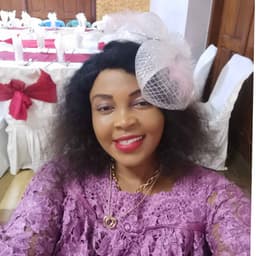

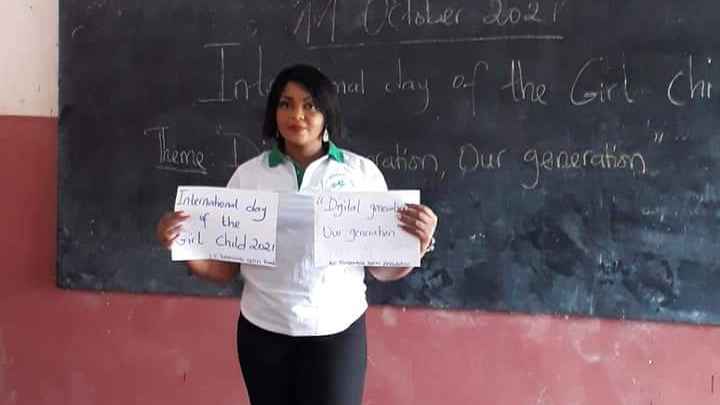
Solange Swiri Tumasang’s experience with period poverty paved the way for her to become a menstrual rights activist.
If we rally our efforts, we can change the narrative. We can help girls avoid stress, embarrassment, illness, and stigma during menstruation.
Solange Swiri Tumasang
My first period surprised me while I was out of the house. When I saw blood on my pants, I ran home and requested pads. After that first month, my greatest worry was getting enough sanitary pads to last my whole cycle. Coming from a modest home, my parents couldn't afford sanitary pads every month.
I worried about going to school without sanitary pads and getting stained, so I would take my old panties or any other available cloth and make my own pad. I sewed the fabric on plastic paper to prevent blood from passing through and staining my uniform. I stitched two, using one at school and keeping the other at home. When I returned home, I loosened the stained pad, washed, dried, and resewed it.
Given my period lasted five days and my flow was abundant, I had to repeatedly wash the pads to ensure I rinsed away the blood and pungent odor. Do you know the smell of rotten or stale meat? That scent came to mind as I washed my self-made pad. The pad I put in the morning was only changed in the evening when I returned from school. I battled with vaginal itching but never knew it was the result of the pad. I had never received any training on how to make and care for reusable pads. It was my personal innovation.
It was a terrible experience that went on for many years, but I would rather do it than partake in immoral acts with men to get money for pads.
Now as a menstrual health activist, I advocate for the rights of poor girls who can not afford pads. I created a nonprofit organization called Dr. Tumasang Swiri Foundation in Cameroon in 2020. Through this organization, I educate young girls and carry out health awareness programs to help them have safe menstruation cycles free from stress. I want the world to know the problems facing young girls, especially those living in poor conditions and unable to afford basic needs.
Many girls are in the situation I found myself in years ago. Nine out of 10 village girls in my outreach programs cannot afford sanitary pads regularly. I was lucky that I never got a serious infection. But many girls do get infections using pieces of cloth as pads. Some girls stay home during menstruation because they can't afford sanitary hygiene products or because of the fear and stigma of getting period stains in school. Imagine how missing school impacts girls’ lives.
Every girl has the right to basic needs to maintain her dignity and well-being. A girl needs a bra, pants, toiletries, and other necessities. These items are usually hard to come by in most poor homes in Africa. Even when they are available, having them in sufficient quantities is difficult. Most girls just try to cope with the little they have until they get out of the poverty bondage.
During one of my outreach programs in a rural settlement, I received testimonies from girls that made me cry and even recognize myself many years back. A little girl told me how she would reuse a baby diaper, cutting it into little pieces and using it throughout her cycle. Due to a lack of knowledge, she didn’t know how to sterilize it.
The girl confessed that these makeshift pads have resulted in vaginal infections, but her parents can't afford proper medical follow up. Hence, she uses salty water to wash her vagina and inserts herbs to help with the infection. According to a menstrual health nurse, if this situation is not adequately addressed, this girl might face fertility problems in the future.
Stories like this show how much menstrual poverty can damage girls’ lives. Poverty should not stop girls from accessing menstrual pads. I call on NGOs and nonprofits to work hand in hand to provide sanitary pads to girls in poor countries.
Every woman has a menstruation story. My story is one of millions, and I hope it creates empathy in readers to help girls.
Every year, I organize workshops to educate girls on menstrual hygiene and teach them how to make reusable sanitary pads because of the high cost of sanitary pads. When I have funds, I donate pads to girls. I aim to reach 2,000 girls every year and donate 1,000 pads. I also advocate for government authorities to apply low prices for sanitary pads for them to be accessible to all.
If we rally, we can change the narrative. We can help girls avoid stress, embarrassment, illness, and stigma during menstruation. A menstrual period should be a blessing to girls and not a curse. Together we can end period poverty – one girl, one pad at a time.
This story was published as part of World Pulse's Story Awards program. We believe every woman has a story to share, and that the world will be a better place when women are heard. Share your story with us, and you could receive added visibility, or even be our next Featured Storyteller! Learn more.
- Health
- Salud menstrual
- Africa