
Measuring the impact of a menstrual hygiene ad...
Apr 29, 2023
story
Seeking
Encouragement


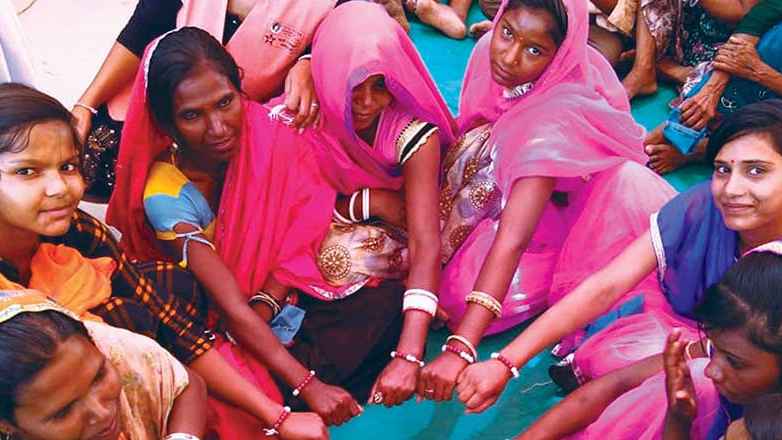
Measuring the impact of a menstrual hygiene advocacy campaign is crucial to understanding its effectiveness and identifying areas for improvement. Here are some ways to measure the impact of a menstrual hygiene advocacy campaign:
1. Conduct surveys: Conduct surveys of girls and women in the community to determine the effectiveness of the campaign. You can ask questions related to the level of awareness of menstrual hygiene, access to menstrual hygiene products, changes in behavior or attitudes, and the impact of the campaign on their decision-making.
2. Tracking changes in public opinion: Conduct surveys or polls before and after the campaign to measure changes in public opinion about the issue the campaign is advocating for. This will help determine whether the campaign was successful in raising awareness and changing attitudes.
3. Analyze social media metrics: If social media platforms were used as part of the campaign, analyze social media metrics such as the number of followers, engagement rate, shares, and comments. These metrics will give an idea of how many people were reached by the campaign and how engaged they were with the content.
4. Track the distribution of menstrual hygiene products: If the campaign involved distributing menstrual hygiene products, track the number of products distributed and where they were distributed. This will give an idea of the reach of the campaign and how many people were able to benefit from it.
5. Monitor changes in policy: If the campaign was aimed at influencing policy related to menstrual hygiene, track any changes that were made as a result of the campaign. For example, if the campaign was aimed at making menstrual hygiene products more affordable or accessible, track changes in government policies related to the issue.
6. Measure changes in health outcomes: Monitor changes in health outcomes related to menstrual hygiene, such as a decrease in the incidence of reproductive tract infections or other related health issues.
7. Measuring the number of people reached: Determine the number of people who were reached through the campaign, whether through social media, events, or other means.
8. Conducting case studies: Conduct case studies to determine whether the campaign had a tangible impact on the lives of individuals or communities affected by poor menstrual hygiene.
9. Monitoring school attendance: If the campaign focused on increasing school attendance among girls, monitor school attendance rates before and after the campaign to determine whether there was an increase in attendance.
10. Monitoring access to menstrual products: If the campaign focused on improving access to menstrual products, monitor the availability and affordability of menstrual products before and after the campaign.
11. Conducting follow-up surveys: Conduct follow-up surveys to determine whether the campaign had a lasting impact and whether the changes observed immediately after the campaign were sustained.
By measuring the impact of a menstrual hygiene advocacy campaign, it is possible to determine whether it was successful in achieving its goals and identifying areas for improvement for future campaigns. It is important to work with community members and other stakeholders to gather feedback and ensure that the campaign is meeting the needs of the community.
- Girl Power
- South and Central Asia