
Ebola in Ituri & Kampala continues to exact a growing human cost
May 25, 2026
story
Seeking
Action

As someone who follows global events closely and believes in the power of storytelling to move people to action, the unfolding situation in the Democratic Republic of Congo and Uganda has stopped me in my tracks.
Watching the news coming out of these two countries, the numbers climbing, the images of burned treatment centers, families torn apart by grief and confusion is concerning.
What is happening there is a health crisis and is a failure of systems, of attention, and of the responsibility that governments and global health bodies carry toward the most vulnerable.
In eastern Democratic Republic of Congo, people are dying from Ebola. And in the middle of that grief, families are being told they cannot bury their dead.
That is where this story gets painful.
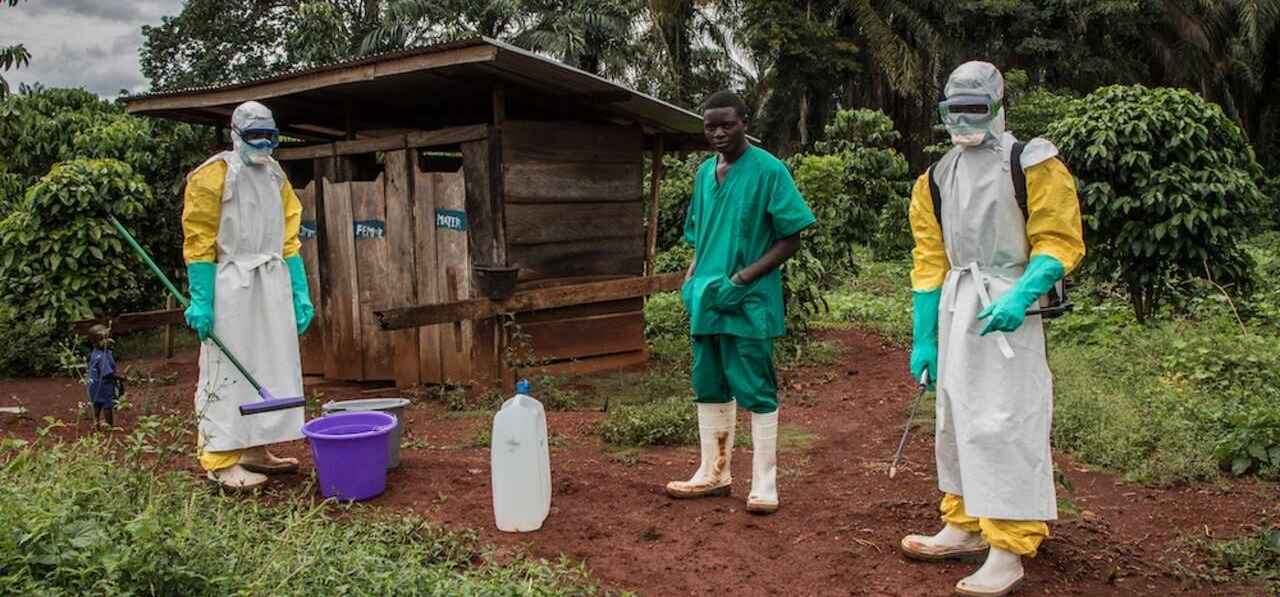
The Ebola virus remains contagious for up to three days after a person dies, which is why safe burial practices are so critical to stopping the spread. Health workers are doing what the science demands but for a grieving mother or a group of young men who just lost a friend, being told you cannot touch the body, cannot hold a proper funeral, cannot say goodbye the way your culture has always said goodbye must be devastating, and it is creating dangerous tension.
Just days ago, residents in Rwampara, Ituri province, stormed an Ebola treatment centre and set it on fire after authorities refused to release the body of a local man, believed to be a footballer who had died there.
The violence mirrors similar attacks that happened during the 2018 Ebola outbreak, driven by deep mistrust of medical workers and government institutions.
The anger is not senseless but, it is the sound of people who have been let down too many times.
This outbreak is caused by the Bundibugyo strain of Ebola, the 17th outbreak in DRC and it complicates the response because existing Ebola treatments were developed against a different strain entirely.
There is currently no approved vaccine or specific treatment for the Bundibugyo virus.
That means health workers are fighting this with limited tools, in one of the most conflict-affected regions in the world, with communities that have every reason not to trust them.
The WHO chief has acknowledged that the real scale of the epidemic is much larger than what is being reported, with nearly 750 suspected cases and 177 suspected deaths in DRC alone.
Meanwhile, the provincial government has banned public wakes and gatherings of more than 50 people, requiring all funerals to follow strict health protocols.
What the WHO and African CDC are doing matters,- they have deployed teams, emergency supplies, and response personnel. But response without trust is a wall with no door. It's very hard
People in Congo and Uganda are not resisting help because they are ignorant. I feel like they are grieving, they are scared, and they have been failed before.
The Ebola outbreak in Congo and Uganda is a health emergency & also a test of our collective humanity. The science exists, funding exists, ;
What is missing is the political will and the genuine community engagement that turns a crisis response into a dignified one. The people of eastern Congo and Uganda deserve nothing less.
- Health
- Human Rights
- Global